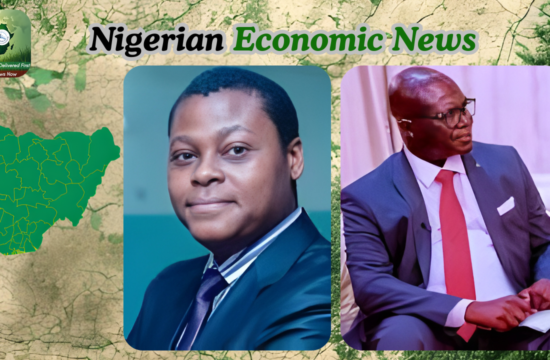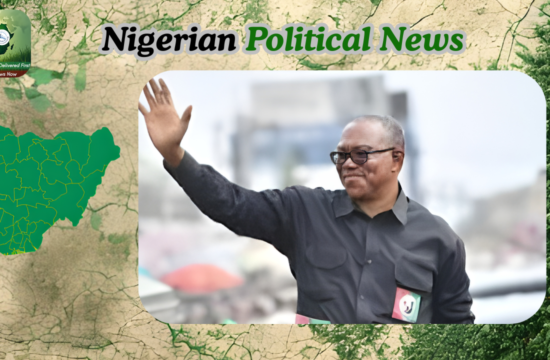

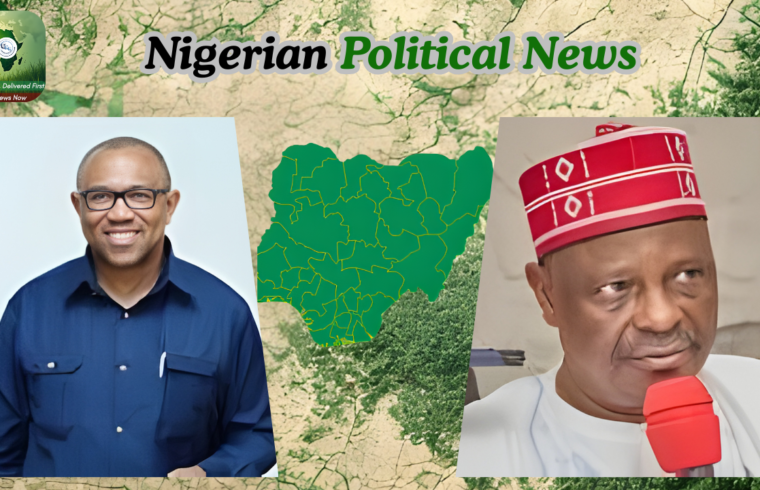
Fresh political manoeuvring ahead of the 2027 general elections has brought renewed attention to discussions between former Labour Party presidential candidate Peter Obi and ex–Kano State governor Rabiu Musa Kwankwaso, as emerging details indicate that their proposed partnership is gradually shifting from informal consultations to organised planning.
Sources familiar with the negotiations disclosed that representatives from both political camps recently created a coordination body designed to explore the feasibility of a united presidential bid under the African Democratic Congress (ADC). The committee, reportedly inaugurated several weeks ago, has been assigned the responsibility of building internal acceptance within the party while mapping out a workable electoral strategy.
Although early conversations between the two leaders had largely remained speculative, insiders now suggest that the process has entered a more structured phase. One individual close to Obi’s political network indicated that the initiative has progressed beyond exploratory talks, noting that groundwork is already being laid to harmonise interests and consolidate support among stakeholders.
Confirmation From Kwankwaso’s Political Bloc
Validation of the committee’s existence also came from Magaji Ibrahim (SAN), National Legal Adviser of the New Nigeria Peoples Party and a key figure within the Kwankwasiyya Movement. According to him, the collaboration effort is being jointly managed by delegates drawn from both political tendencies, reflecting a serious attempt to form a united opposition front.
Ibrahim explained that discussions are not limited to personalities but are centred on national political direction. He noted that the former Kano governor remains flexible regarding leadership arrangements, expressing readiness to participate in the alliance either as presidential candidate or running mate, depending on the final consensus reached by negotiators.
He further revealed that conversations between Kwankwaso’s political structure and the ADC leadership are ongoing, though a decisive engagement between both sides has yet to take place. The talks, he suggested, are aimed at determining whether the party platform can accommodate the ambitions and expectations of all participants.
Conditions Surrounding Possible ADC Entry
While openness to collaboration exists, Ibrahim hinted that participation in the ADC would be influenced by the eventual configuration of the presidential ticket. From the perspective of Kwankwaso’s camp, joining the platform without a significant leadership role may not be considered viable.
Political observers interpret this position as part of broader negotiations common in coalition-building, where influence, regional balance, and electoral strength often shape the final agreement rather than ideology alone.
Key elements guiding the ongoing engagement reportedly include:
- strengthening opposition cooperation before the election cycle intensifies
- aligning grassroots movements across different regions
- negotiating leadership hierarchy acceptable to both camps
- evaluating the ADC’s capacity as a coalition vehicle
Commentary and Political Analysis
The establishment of a joint committee signals an important transition from speculation to operational planning. In Nigerian politics, such committees typically function as testing grounds where competing ambitions are refined into a shared strategy. By creating a structured channel for dialogue, both camps appear to be attempting to avoid the fragmentation that has historically weakened opposition alliances.
For Peter Obi, collaboration could expand political reach beyond his traditional support base, particularly in northern Nigeria where Kwankwaso commands strong grassroots loyalty. Conversely, Kwankwaso stands to benefit from Obi’s nationwide appeal among urban voters and reform-minded constituencies.
However, analysts caution that coalition politics in Nigeria often faces hurdles related to power-sharing, party control, and internal loyalty. The insistence on a top-tier position by Kwankwaso’s allies illustrates the delicate balance negotiators must strike to prevent rivalry from undermining unity.
Ultimately, while the alliance remains under negotiation, the creation of a joint committee suggests that both leaders recognise the growing importance of political consolidation ahead of 2027. Whether the talks culminate in a formal alliance will depend on how successfully personal ambitions, party interests, and national political calculations can be harmonised in the months ahead.
© 2025 Gossip News Now , a division of CHIEJOS HARBIAN DIGITAL MEDIA LTD. Contact us via admin@gossipnewsnow.online