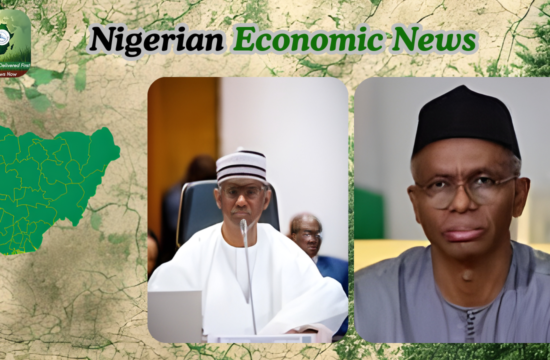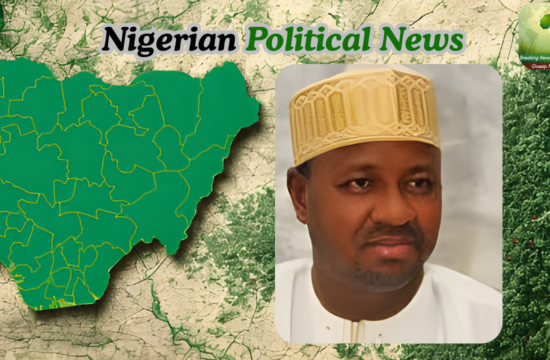

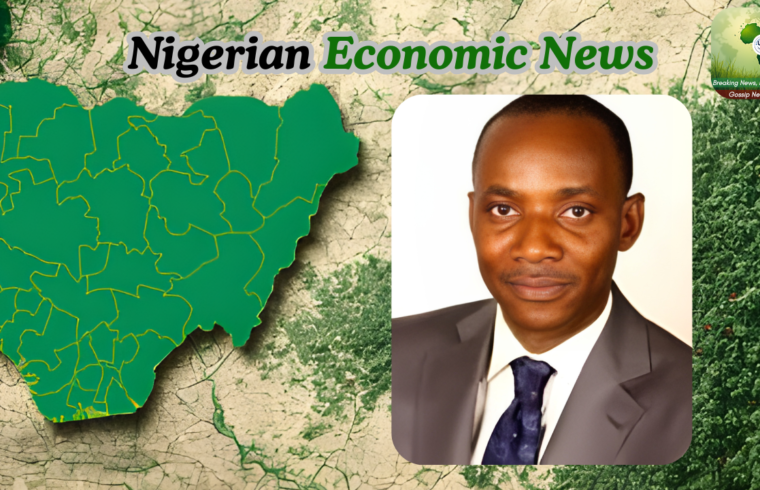
Discussions about Nigeria’s future leadership have taken a new turn following remarks by former Nigerian Electricity Regulatory Commission (NERC) chairman, Sam Amadi, who expressed doubts about the Southeast’s chances of producing a president in the coming election cycles.
In his view, the region may struggle to secure the presidency not only in 2027 but also in subsequent elections such as 2031 and 2035. Rather than focusing heavily on political ambition at the national level, Sam Amadi encouraged a shift toward economic empowerment and regional development.
His comments suggest a broader perspective on progress, emphasizing that prosperity does not necessarily depend on occupying the highest political office in the country. Instead, he believes the Southeast can achieve significant growth by strengthening its economic base and expanding its influence beyond political power.
Gossip News Now reports that the policy expert also questioned the overall value of Nigeria’s presidency. He implied that the position has often been associated with personal gain rather than national transformation, raising concerns about how leadership is perceived and utilized.
In a restructured expression of his argument, Amadi pointed out that the pursuit of the presidency may not always translate into meaningful development, especially if systemic issues remain unresolved. He suggested that focusing on long-term economic strength could yield more sustainable benefits for the region.
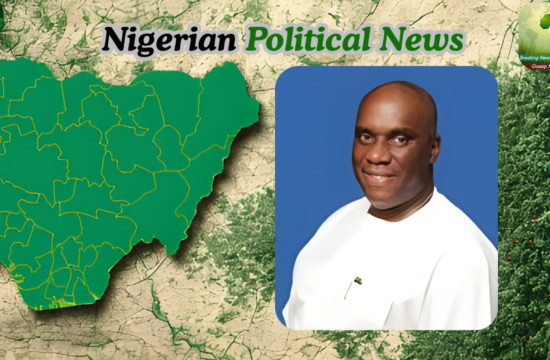
His remarks were partly influenced by an earlier analysis shared by Demola Olarewaju, who examined the historical pathways to Nigeria’s presidency since the return to democracy in 1999. According to that perspective, different regions have had varying levels of access to political power.
The argument highlights three distinct patterns:
- The South-West has achieved the presidency through both national appeal and regional political strategies
- The South-South’s opportunity emerged under unique and unexpected circumstances
- The Southeast, however, has yet to establish a clear or consistent path to the top office
This comparative outlook has fueled ongoing debates about representation, fairness, and political structure within Nigeria’s democratic system.
Analysis: Political Reality or Strategic Redirection?
The position taken by Sam Amadi introduces a critical conversation about priorities in regional politics. While the desire for representation at the highest level remains strong, his argument suggests that economic influence may ultimately hold more lasting power.
His comments also reflect a growing sentiment among some analysts that political success in Nigeria is often shaped by complex alliances, historical context, and strategic positioning rather than mere aspiration.
At the same time, the idea that the Southeast may not achieve the presidency in the near future could be seen as controversial. Critics may argue that such a stance risks discouraging political participation or reinforcing existing barriers.
However, others may interpret it as a call for pragmatic thinking—encouraging the region to build strength in areas that can deliver immediate and measurable impact.
As debates continue, one thing remains clear: the intersection of politics, regional identity, and development will remain a central theme in Nigeria’s journey toward future elections.
© 2025 Gossip News Now , a division of CHIEJOS HARBIAN DIGITAL MEDIA LTD. Contact us via admin@gossipnewsnow.online