

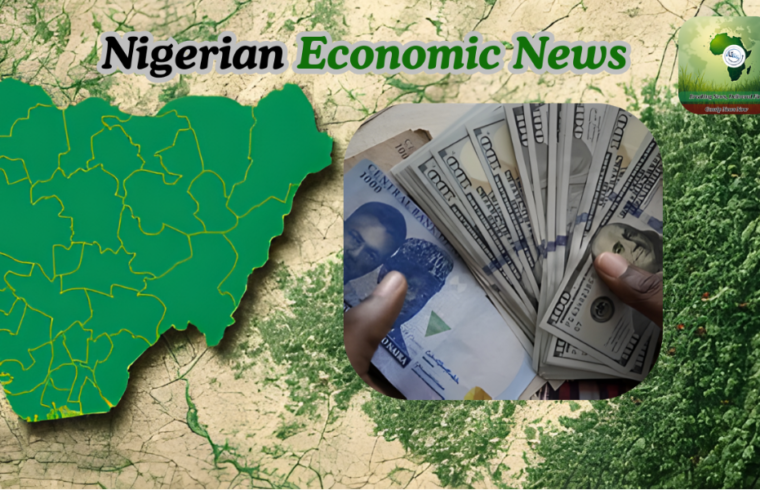
Nigeria’s foreign exchange market continues to draw attention as fluctuations in the value of the naira persist across both official and unofficial channels. Many individuals and businesses closely monitor these rates daily due to their direct impact on trade, imports, and overall economic activity.
Current Black Market (Parallel Market) Rates
As of the latest update, the exchange rate in the parallel market—commonly referred to as the black market—shows that the naira remains under pressure against the US dollar. Market participants in Lagos indicate that the dollar is being sold at approximately ₦1430, while buyers are offering around ₦1410 per dollar.
These figures reflect ongoing demand for foreign currency outside the formal banking system, where accessibility and processing delays often push traders toward informal channels.
Official CBN Exchange Range
In contrast, the official window regulated by the Central Bank of Nigeria presents a slightly lower range. Available data suggests that the dollar trades between ₦1385 and ₦1388 within the regulated market.
It is important to note that this official rate is primarily accessible through banks and authorized financial institutions, making it less flexible compared to the parallel market.
Key Observations on Rate Differences
The noticeable gap between the black market and official rates highlights continued inefficiencies in Nigeria’s forex supply system. While the official market offers a more stable benchmark, many individuals still rely on the parallel market due to ease of access and fewer restrictions.
Gossip News Now reports that this disparity often creates opportunities for arbitrage, while also placing additional strain on the naira’s value over time.
Important Advisory for Forex Users
The Central Bank has consistently maintained its stance against the use of the parallel market for foreign exchange transactions. Individuals seeking to buy or sell foreign currency are advised to go through licensed financial institutions to ensure compliance with regulatory guidelines.
However, real-world transactions may not always reflect published figures, as exchange rates can vary depending on location, demand, and negotiation strength.
Market Insight and Analysis
The continued divergence between official and unofficial rates suggests that underlying supply challenges remain unresolved. Increased demand for dollars—driven by imports, education payments abroad, and international business transactions—continues to outpace supply in the formal sector.
Until liquidity improves within the official forex window, the black market is likely to remain a dominant force in determining the practical exchange rate experienced by everyday Nigerians.
© 2025 Gossip News Now , a division of CHIEJOS HARBIAN DIGITAL MEDIA LTD. Contact us via admin@gossipnewsnow.online