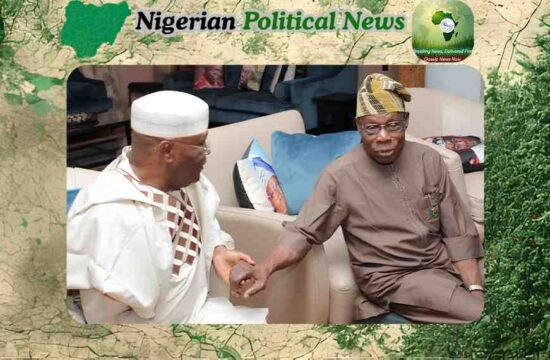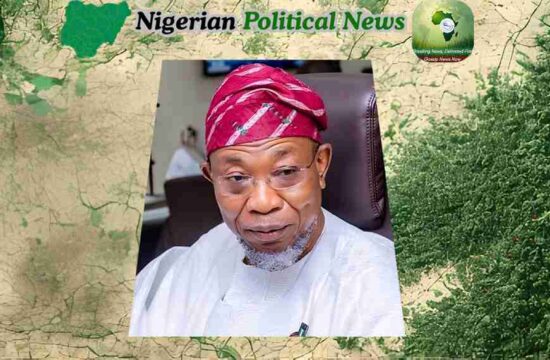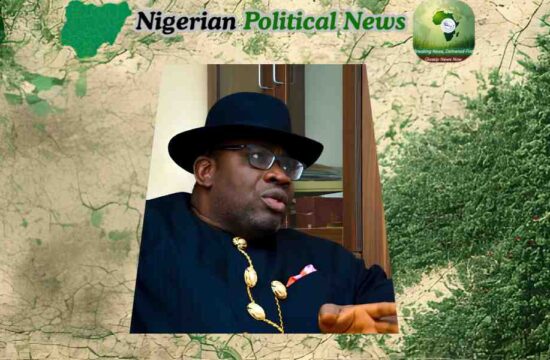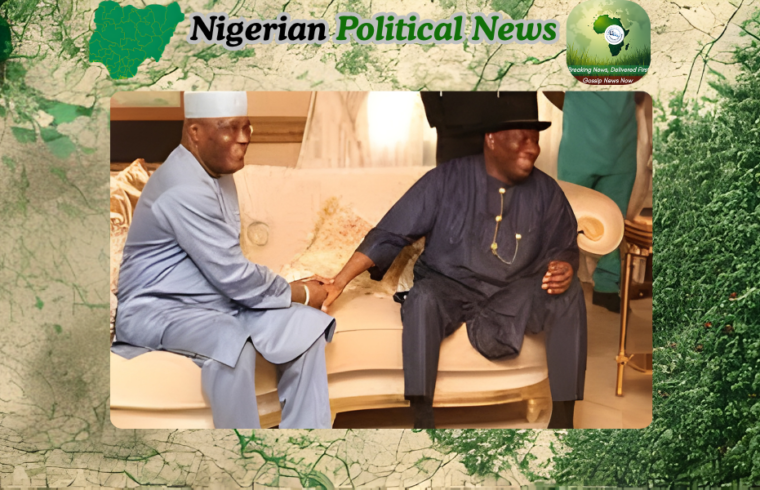
A strong rebuttal has emerged from Bashir Yuguda, who has openly challenged remarks made by Atiku Abubakar regarding the leadership capacity of former President Goodluck Jonathan. The former minister dismissed the claims as misleading, insisting that Jonathan’s tenure reflected depth, preparation, and measurable achievements.
Reacting to the criticism, Yuguda argued that portraying Jonathan as inexperienced ignores a long record of public service. Before assuming Nigeria’s highest office, Jonathan had navigated multiple leadership roles, including Deputy Governor, Governor, Vice President, and Acting President. According to Yuguda, these positions were far from symbolic and instead served as critical stages that shaped his governance approach.
Gossip News Now reports that Yuguda emphasized that Jonathan’s time in office coincided with notable economic growth. He pointed out that Nigeria rose to become Africa’s largest economy during that period, while also attracting investors and maintaining relative macroeconomic stability. These developments, he noted, were not speculative but supported by documented data.
Beyond economic indicators, Yuguda highlighted infrastructural and educational strides under Jonathan’s administration. Railway services, once abandoned, were revived to ease transportation challenges, including the restoration of key routes that had been neglected for decades. In the education sector, the establishment of several federal universities and specialized schools expanded access to learning, particularly in underserved regions.
Another defining feature of Jonathan’s leadership, according to Yuguda, was his temperament. He described the former president as calm and composed, especially during moments of intense political pressure. Rather than encouraging confrontation, Jonathan often advised restraint among his aides, maintaining that leadership should reflect dignity rather than hostility.
Yuguda also drew attention to Jonathan’s loyalty during his time as Vice President under Umaru Musa Yar’Adua, noting that he upheld institutional respect even in difficult circumstances. He added that Jonathan has continued this approach post-presidency by engaging with subsequent leaders, including Bola Ahmed Tinubu, on national and regional matters.
In addressing the broader debate, Yuguda acknowledged that no administration is without flaws. However, he insisted that reducing Jonathan’s presidency to a lack of experience disregards both his preparation and accomplishments. He stressed that leadership should be evaluated on tangible outcomes rather than political narratives.
A significant moment often associated with Jonathan’s legacy remains his decision during the 2015 elections. Faced with security challenges, he ensured the electoral process went ahead and later conceded defeat without dispute. Yuguda described this act as a defining contribution to Nigeria’s democratic stability.
He further noted that Jonathan’s conduct after leaving office has reinforced his reputation internationally. His involvement in peace missions and election monitoring efforts reflects a continued commitment to democratic values and institutional integrity.
Commentary and Analysis
Yuguda’s response underscores a broader tension in Nigerian political discourse, where legacy and performance are often reinterpreted through partisan lenses. By focusing on measurable outcomes—economic growth, infrastructure, and democratic conduct—he attempts to reposition Jonathan’s presidency within a results-driven framework rather than a personality-driven critique.
The exchange also highlights how leadership narratives evolve over time. While critics may question certain aspects of past administrations, defenders like Yuguda argue that historical records and policy outcomes offer a more balanced perspective. Ultimately, public judgment tends to align more closely with visible impacts than with retrospective political arguments.
© 2025 Gossip News Now , a division of CHIEJOS HARBIAN DIGITAL MEDIA LTD. Contact us via admin@gossipnewsnow.online