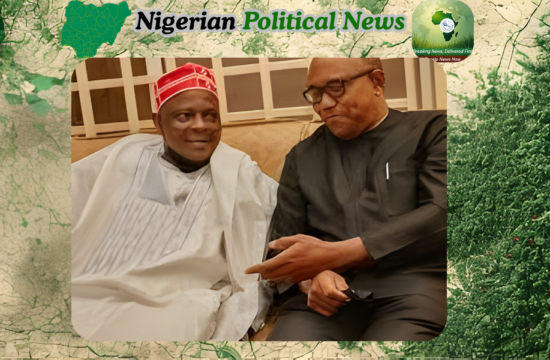

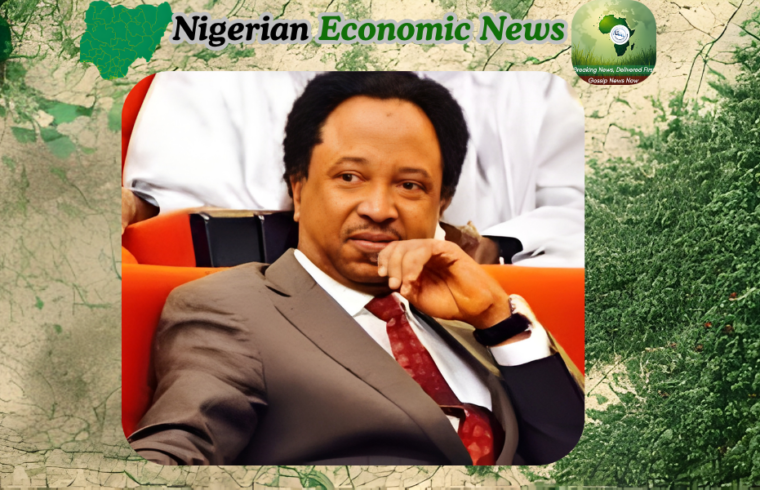
A new wave of political conversation has emerged after former Kaduna Central senator, Shehu Sani, shared a blunt assessment of Nigeria’s leadership landscape, particularly regarding the prospects of Peter Obi.
Speaking during an appearance on the The Honest Bunch Podcast, Sani suggested that a change in leadership may not necessarily translate into a change in governance outcomes. His remarks have since stirred reactions across political circles.
According to Gossip News Now, the former lawmaker argued that Nigeria’s major political figures operate within a similar ideological framework. He grouped Obi alongside Bola Tinubu, Atiku Abubakar, and Olusegun Obasanjo, suggesting that their approaches to governance are fundamentally alike despite party differences.
In a reframed expression of his position, Sani implied that expectations of sweeping reforms under a new administration may be unrealistic if the underlying political philosophy remains unchanged. He further hinted that leadership transitions in Nigeria often recycle familiar strategies rather than introduce entirely new directions.
The former senator also touched on the nature of political support, noting that backing for certain candidates can sometimes reflect regional or ethnic alignments. His observation has added another layer to ongoing discussions about voter behavior and national unity.
Expanding on his broader critique, Sani referenced past experiences during his time in the Senate, pointing out that raising security concerns did not always attract unified support, even from those within the same regional bloc. This, he suggested, reflects deeper structural challenges within Nigeria’s political system.
He also projected confidence in the electoral strength of President Tinubu, indicating that the current political structure still favors the ruling establishment heading into the next election cycle.
Analysis: Ideology vs Expectation in Nigeria’s Political Future
Sani’s comments highlight a recurring debate in Nigerian politics—whether leadership change alone is enough to drive meaningful transformation. His argument suggests that without a shift in ideology and governance style, new administrations may struggle to deliver significantly different outcomes.
At the same time, critics may view his stance as an oversimplification, arguing that individual leadership styles and policy priorities can still shape national direction, even within similar frameworks.
Ultimately, the discussion underscores a key issue for voters: the need to look beyond personalities and examine the policies and structures that define governance. As political momentum builds toward future elections, such perspectives are likely to continue influencing public discourse.
© 2025 Gossip News Now, a division of CHIEJOS HARBIAN DIGITAL MEDIA LTD. Contact us via admin@gossipnewsnow.online