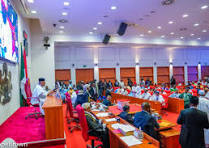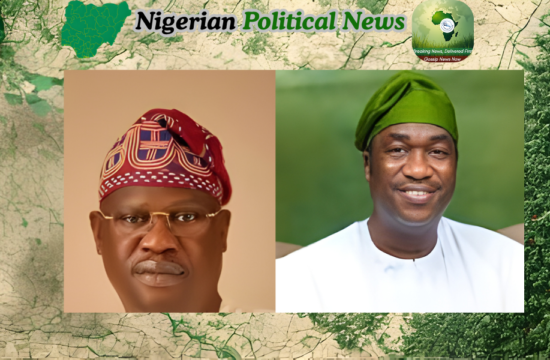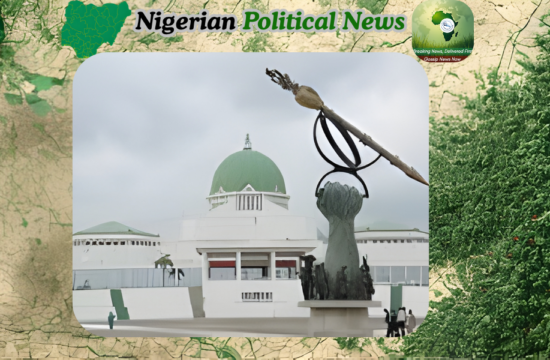

Rising political tension is beginning to surround Nigeria’s judiciary as delays in crucial rulings fuel fresh controversy. The spotlight is now on the Supreme Court following its decision to withhold judgment on leadership disputes affecting two major opposition parties—the African Democratic Congress (ADC) and the Peoples Democratic Party (PDP).
Growing Concern Ahead of Electoral Deadlines
The delay comes at a sensitive time, with the Independent National Electoral Commission (INEC) timeline for party preparations drawing closer. Many political observers believe the unresolved cases could significantly impact the readiness of opposition parties heading into the 2027 elections.
A panel led by Justice Mohammed Garba had earlier concluded hearings on the disputes but stopped short of announcing when a final decision would be delivered, leaving stakeholders in uncertainty.
Isaac Fayose Raises Alarm
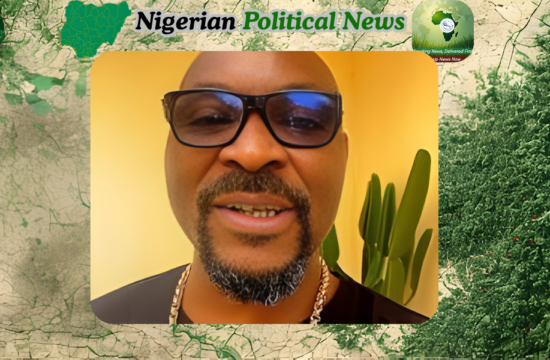
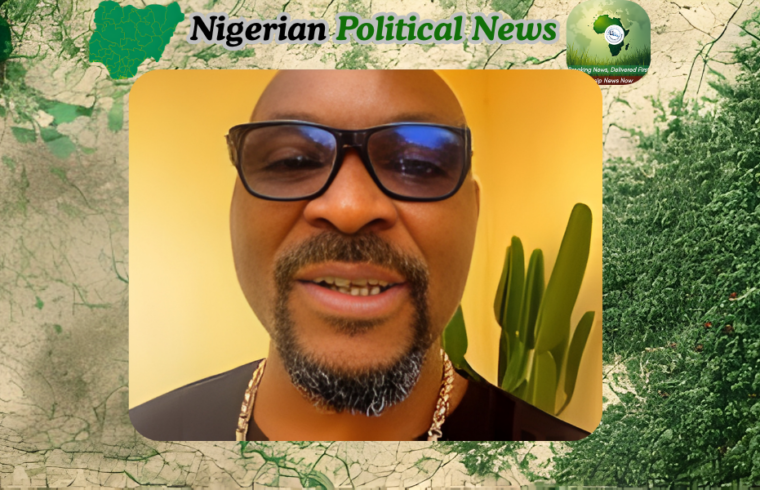
Reacting strongly to the situation, Isaac Fayose, brother of former Ekiti State Governor Ayodele Fayose, publicly criticized the delay. He questioned whether the timing of the court’s inaction was merely coincidental, especially as activities within the ruling party continue to gain momentum.
Rather than restating his exact words, his argument suggests a deep concern that the opposition is being placed at a disadvantage while other political actors move forward with their preparations.
Political Timing Under Scrutiny
According to Gossip News Now, the controversy has intensified because nomination processes within the ruling All Progressives Congress (APC) are already underway. This contrast has led to speculation about fairness and balance within the political system.
For critics like Isaac Fayose, the situation raises an uncomfortable question—whether institutional delays are unintentionally shaping the political playing field.
Fear of Limited Electoral Choices
One of the key concerns highlighted is the risk of reduced political competition. Fayose warned that any development that sidelines major opposition parties could limit voter options in the upcoming election.
His position can be summarized as a call for a democratic environment where multiple candidates and parties can compete freely, rather than a scenario dominated by a single political force.
Public Confidence in the Judiciary at Stake
The delay has also triggered wider debate about the role of the judiciary as an impartial arbiter. Many Nigerians, according to the sentiments expressed, expect timely decisions—especially in cases that directly affect national political outcomes.
The perception that justice may be delayed in politically sensitive matters could weaken public trust, even if no bias is officially established.
Key Issues Emerging From the Situation
The unfolding controversy highlights several critical concerns:
- The absence of a clear judgment date after hearings concluded
- Increasing pressure from INEC’s electoral timetable
- Anxiety among aspirants within ADC and PDP
- Perceived imbalance between ruling and opposition party activities
These factors combined have elevated the issue from a legal matter to a national political debate.
Analysis: Democracy, Timing, and Institutional Responsibility
The situation underscores a recurring challenge in democratic systems—ensuring that judicial processes keep pace with political realities. While courts must follow due process, delays in high-stakes cases can carry unintended consequences.
For Nigeria, the stakes are particularly high. A timely and transparent resolution could reinforce confidence in democratic institutions. Conversely, prolonged uncertainty may deepen political divisions and fuel skepticism among voters.
As the countdown to 2027 continues, all eyes remain on the Supreme Court, with many hoping for a decision that restores clarity and preserves the integrity of the electoral process.
© 2025 Gossip News Now , a division of CHIEJOS HARBIAN DIGITAL MEDIA LTD. Contact us via admin@gossipnewsnow.online