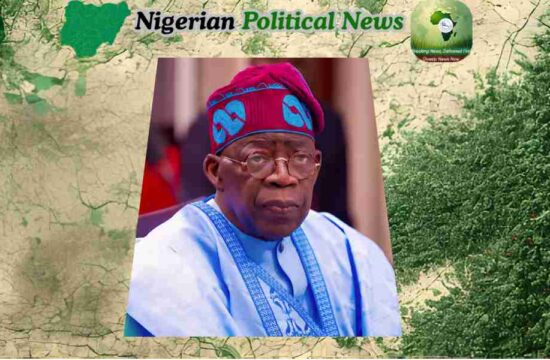
Fresh political tension has emerged following the decision of Peter Obi to exit the African Democratic Congress (ADC) and align with the Nigeria Democratic Congress (NDC), a move that has drawn sharp criticism from the Presidency.
Reacting swiftly, presidential spokesman Bayo Onanuga questioned the consistency of the former Anambra governor, portraying his latest political shift as part of a recurring pattern of movement between parties.
Gossip News Now reports that the Presidency’s position is rooted in its long-standing view that Obi’s political journey lacks stability. The latest defection, according to the presidential aide, only reinforces earlier claims about his approach to party politics.
Before the backlash, Obi had publicly explained his departure from the ADC, describing the political environment as increasingly unfriendly. He pointed to internal wrangling, legal battles, and mounting tensions within the party as key factors influencing his decision to leave.
Importantly, he distanced his move from any personal fallout with prominent party figures such as David Mark and Atiku Abubakar, maintaining that his exit was driven purely by structural issues rather than individual disagreements.
In a restructured interpretation of his remarks, Obi suggested that his political philosophy remains anchored in service and fairness, insisting that he has never used leadership positions to suppress or intimidate others. He also pushed back against claims that his decisions are fueled by ambition.
However, the Presidency took a contrasting stance. Onanuga characterized the move as opportunistic, implying that Obi is strategically avoiding direct competition within the ADC. He referenced the presence of heavyweight figures like Atiku Abubakar and Rotimi Amaechi, suggesting that internal rivalry may have influenced the defection.
In a sharply rephrased criticism, the presidential aide argued that shifting political grounds in search of advantage reflects a reluctance to face stronger opposition within a single platform.
The Presidency further warned that choosing what it described as a “less challenging path” may not necessarily translate into electoral success. Drawing parallels with past elections, Onanuga hinted that such strategies could produce similar outcomes in future contests.
Beyond this, he accused the former governor of focusing too heavily on external blame while neglecting introspection regarding his own political decisions.
Despite the criticism, the Presidency acknowledged that Obi’s entry into a new political platform adds another layer of competition as preparations for 2027 gradually intensify. His growing influence within opposition circles continues to make him a central figure in national political discourse.
Commentary and Analysis
The exchange between Peter Obi and the Presidency highlights the deepening rivalry as Nigeria moves closer to another election cycle. While Obi frames his decisions as responses to systemic instability, critics interpret them as calculated political repositioning.
This divergence in narratives reflects a broader challenge within Nigerian politics—balancing personal political survival with ideological consistency. Frequent party defections, though common, often raise questions about long-term vision and party loyalty.
For the opposition, Obi’s move to the NDC could either consolidate support or fragment it further, depending on how alliances evolve. Meanwhile, the Presidency’s strong reaction signals that his political relevance remains significant.
As the 2027 race approaches, such developments are likely to intensify, shaping both public perception and strategic alignments across party lines.
© 2025 Gossip News Now, a division of CHIEJOS HARBIAN DIGITAL MEDIA LTD. Contact us via admin@gossipnewsnow.online