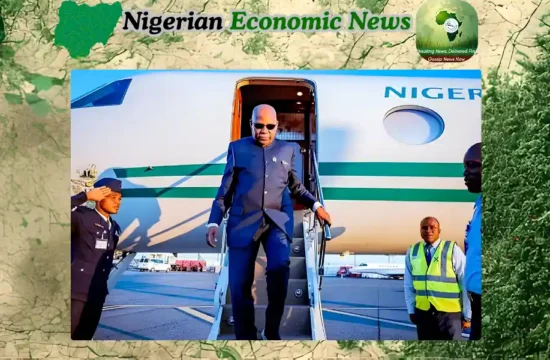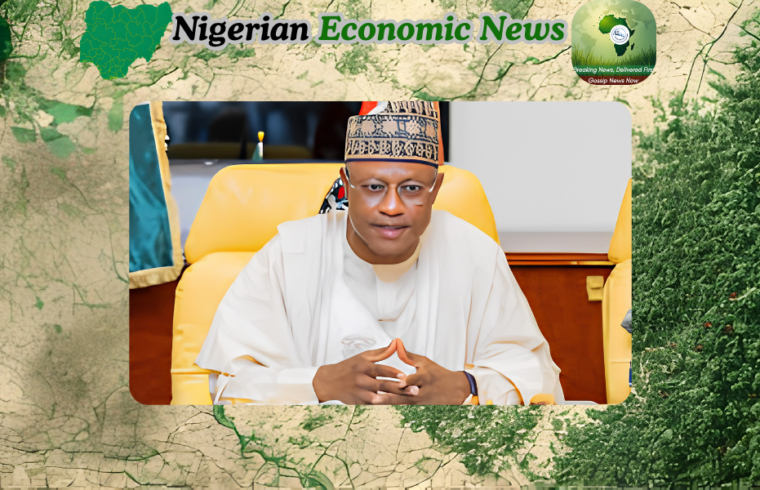
As political conversations around the 2027 elections gather momentum, Uba Sani, Governor of Kaduna State, has expressed strong confidence in the electoral chances of Bola Ahmed Tinubu, despite growing criticism across digital platforms.
Speaking during a televised interview, Sani suggested that online sentiment does not accurately reflect the real political landscape. He argued that while social media narratives may appear unfavorable, actual voting outcomes at polling units would tell a different story.
In a rephrased version of his position, the governor implied that the President’s chances would only diminish if elections were determined solely by online conversations. However, he maintained that physical voting across the country would deliver a decisive victory in Tinubu’s favor.
Gossip News Now reports that Sani went further to project a commanding performance for the President, expressing belief that a significant majority of voters would support him when ballots are cast.
However, not all political voices share this optimism. A contrasting perspective has emerged from Hakeem Baba-Ahmed, National Chairman of the Peoples Redemption Party (PRP), who warned of potential consequences if the current administration secures another term.
According to Baba-Ahmed, Nigeria is already grappling with serious challenges that could worsen without a shift in leadership. He pointed to concerns such as insecurity, economic hardship, and increasing societal divisions as indicators of a nation under strain.
In a restructured interpretation of his remarks, the PRP leader emphasized that the country is at a critical point, suggesting that urgent political change may be necessary to prevent further deterioration.
Commentary and Analysis
The contrasting views from Uba Sani and Hakeem Baba-Ahmed highlight a widening divide in Nigeria’s political discourse ahead of 2027. On one side, there is confidence in grassroots electoral strength; on the other, growing concern about governance outcomes.
Sani’s argument reflects a belief that social media influence is often overstated, especially in a country where many voters are not actively engaged online. Meanwhile, Baba-Ahmed’s warning underscores dissatisfaction among sections of the political class regarding current national conditions.
This exchange illustrates the early formation of campaign narratives—one centered on electoral confidence and the other on the need for change. As political alignments continue to evolve, these opposing viewpoints are likely to shape public debate in the lead-up to the next general election.
© 2025 Gossip News Now, a division of CHIEJOS HARBIAN DIGITAL MEDIA LTD. Contact us via admin@gossipnewsnow.online