Political Snapshot
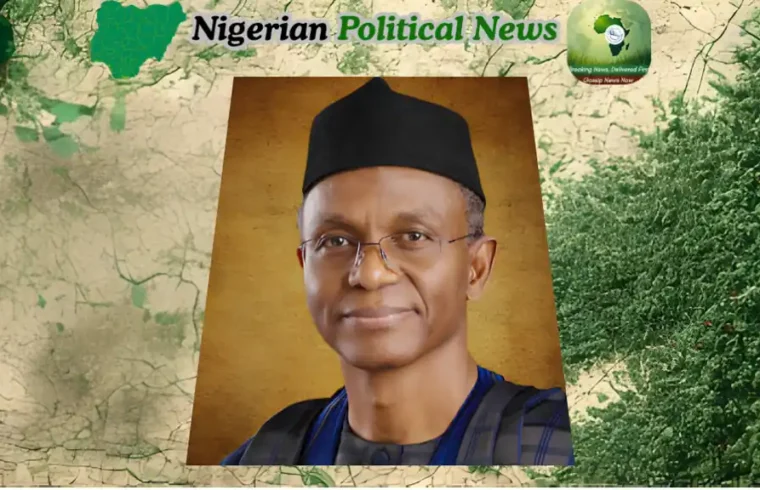
A letter allegedly linked to former Kaduna State Governor Nasir El-Rufai has sparked discussion on social media after claims emerged that it was written from detention and addressed to leaders of the African Democratic Congress (ADC).
However, the El-Rufai family has firmly rejected the document, insisting it is fabricated and warning Nigerians against accepting or sharing its contents as genuine.
The development has once again highlighted concerns over the spread of unverified political materials on digital platforms.
Key Takeaways
- The family of Nasir El-Rufai says the letter circulating online is not authentic.
- The disputed document allegedly addressed to ADC officials has been described as fabricated.
- Family representatives insist neither the handwriting nor the language resembles that of the former governor.
- Nigerians have been advised to rely on verified information rather than unofficial social media documents.
- The incident has renewed concerns about misinformation and politically motivated fake publications.
The Claim
The document circulating on social media claimed that Nasir El-Rufai authored a letter dated July 14, 2026, reportedly addressed to the National Chairman and National Secretary of the African Democratic Congress (ADC).
The alleged correspondence suggested that the former governor raised concerns over the nomination of Isah Ashiru Kudan, claiming the development could create divisions within the party.
As the document spread online, it generated reactions from political observers and members of the public regarding its authenticity.
What Was Verified
Responding on behalf of the family, Mohammed Bello El-Rufai dismissed the circulating letter as entirely false.
According to the family’s statement, the document neither originated from Nasir El-Rufai nor reflected his style of communication.
The statement further argued that both the handwriting and the language contained in the document clearly differed from those associated with the former governor.
The family therefore urged Nigerians to disregard the publication, maintaining that it was deliberately created to mislead the public and generate unnecessary political controversy.
Why It Matters
False political documents can quickly influence public opinion, especially when they involve prominent political figures or sensitive party matters.
If left unchallenged, fabricated communications may create confusion among supporters, fuel unnecessary political disagreements and undermine confidence in authentic public statements.
Gossip News Now reports that verifying politically sensitive documents before accepting or sharing them has become increasingly important as misinformation continues to spread rapidly across digital platforms.
Fact Check Analysis
Based on the information released by the El-Rufai family, the circulating letter has been officially rejected as authentic.
At present, there is no verified indication from the family that the document originated from Nasir El-Rufai, and they have publicly urged Nigerians to disregard it.
The episode demonstrates how easily fabricated political materials can circulate online, particularly during periods of heightened political activity.
It also reinforces the importance of relying on official statements and verified sources before drawing conclusions about politically sensitive documents.
What Happens Next?
Public attention will likely remain focused on whether further information emerges regarding the origin of the disputed document.
Meanwhile, political supporters, party members and members of the public are expected to rely on official communications from Nasir El-Rufai or his authorised representatives whenever questions arise about documents attributed to him.
The incident also serves as a reminder of the need for greater public awareness and verification before political information is widely shared.
Questions for Readers
- What additional measures should political parties take to combat the spread of fake documents and misinformation?
- Should there be tougher legal consequences for individuals who create or circulate fabricated political materials?
- How can Nigerians better distinguish between authentic political communications and misleading online content?
Join the Conversation
What is your opinion on the increasing spread of misinformation in Nigeria’s political space? Share your thoughts respectfully in the comments below. Your contributions are valuable in promoting responsible public discourse, informed decision-making and greater accountability in political communication.