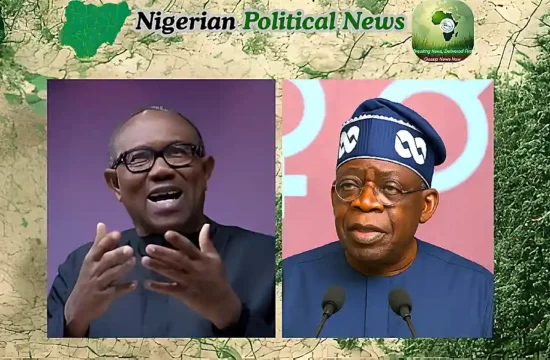
As Nigeria moves closer to the 2027 general election, former Vice-President Atiku Abubakar has challenged young Nigerians to become the driving force behind credible elections by rejecting vote-buying, ethnic politics and every form of electoral manipulation.
The former presidential candidate made the appeal during the inauguration of state coordinators of RiseUpNaija, a political movement supporting his 2027 presidential ambition, held on Saturday in Abuja.
Why This Matters
Young Nigerians represent the country’s largest voting demographic, making them a decisive force in determining future elections. According to Atiku, their collective influence can only produce meaningful political change if they refuse inducements, participate actively in the electoral process and place national interest above ethnic or religious divisions.
He argued that democracy becomes stronger when citizens vote based on competence rather than financial incentives or identity politics.
Atiku Challenges Youths To Shape Nigeria’s Democratic Future
Addressing supporters at the event, Atiku said his continued participation in politics stems from a long-standing commitment to strengthening democratic institutions, promoting accountable leadership and creating equal opportunities for Nigerians.
He expressed concern over the increasing number of young Nigerians relocating abroad in search of better opportunities, saying many were leaving not because they lacked patriotism, but because they had lost confidence in the country’s future.
According to him, rebuilding that confidence requires a new generation of citizens who are prepared to participate actively in democratic governance rather than remain spectators.
Reject Vote-Buying And Political Manipulation, Former VP Says
A central theme of Atiku’s address was his warning against the growing culture of vote-buying during elections.
He urged young voters not to exchange their future for temporary financial rewards offered by politicians during campaigns.
Emphasising the long-term consequences of electoral inducement, he said a vote should never be traded for short-lived gifts because the effects of poor leadership last far beyond election day.
He also argued that politicians have continued to benefit from divisions based on ethnicity, religion and other identities, despite young people having the numerical strength to influence election outcomes.
According to him, those divisions only weaken the collective political voice of Nigerian youths.
From Social Media Activism To Electoral Participation
While acknowledging the role young Nigerians have played in shaping public debate through digital platforms, Atiku said online engagement alone cannot safeguard democracy.
He commended youths for using social media to demand accountability and mobilise public opinion but insisted that meaningful political change ultimately depends on participation at polling units.
He stressed that election victories are secured through voter turnout, lawful election monitoring and peaceful protection of the electoral process—not through hashtags or online campaigns alone.
For that reason, he encouraged eligible Nigerians to register to vote, verify their voter information, understand the Electoral Act and volunteer as polling agents or election observers where possible.
Key Messages From Atiku’s Address
Among the major appeals made during the Abuja event were:
- Young Nigerians should reject vote-buying and electoral inducement.
- Ethnic and religious divisions should not determine voting decisions.
- Social media activism should be complemented by physical participation in elections.
- Citizens should understand electoral laws and participate peacefully in protecting votes.
- Leadership choices should be based on competence, character and ideas rather than identity or financial rewards.
Youth Participation Can Defeat Money Politics
Despite acknowledging that established political interests often possess enormous financial resources, Atiku argued that peaceful mass participation by millions of eligible voters would outweigh the influence of money politics.
He maintained that when citizens vote responsibly and defend the integrity of the electoral process within the law, collective public participation becomes more powerful than financial inducement.
According to him, democracy ultimately belongs to citizens who actively participate rather than those who remain on the sidelines.
Calls For National Unity Ahead Of 2027
The former Vice-President also appealed to Nigerians to resist attempts to create divisions along ethnic or religious lines.
He said many of the country’s challenges—including unemployment, insecurity and economic hardship—are shared across every region and should unite Nigerians behind common national objectives rather than deepen existing differences.
He added that Nigeria’s diversity should remain a national strength instead of becoming a political weapon during election campaigns.
Political Analysis
Atiku’s speech places youth participation at the centre of the 2027 electoral conversation. Rather than focusing solely on campaign promises, his address emphasised civic responsibility, electoral integrity and voter education as essential ingredients for credible elections.
The remarks also reflect increasing efforts by political actors to mobilise younger voters, a demographic expected to play a significant role in determining the outcome of the next presidential election.
Looking Ahead
With political mobilisation already gathering momentum ahead of 2027, attention is expected to shift toward voter registration, civic education, campaign organisation and wider youth engagement across the country.
Whether those appeals translate into higher voter turnout and greater electoral participation will become clearer as preparations for the general election continue.
What do you think? Should Nigerian youths focus more on voter education and election participation than social media activism? Share your thoughts in the comments below.
© 2025 Gossip News Now, a division of CHIEJOS HARBIAN DIGITAL MEDIA LTD.
Contact us via admin@gossipnewsnow.online