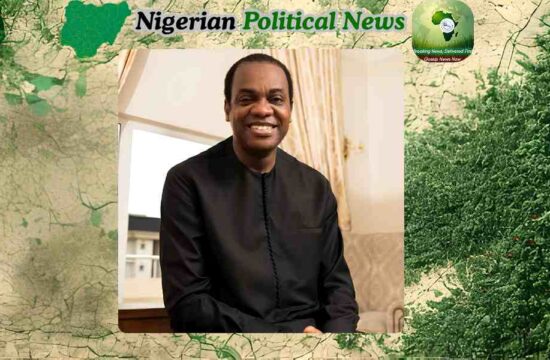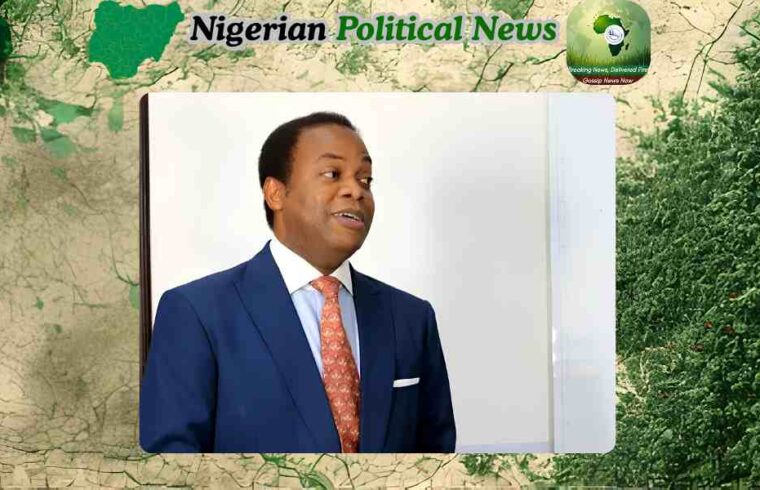
Nigeria’s long-running debate over leadership and political development is taking another turn ahead of the 2027 presidential election, with Peoples Redemption Party (PRP) presidential candidate Donald Duke arguing that the country has not produced the leadership vision needed to deliver the level of development and growth he believes Nigerians deserve.
Duke said he entered the presidential race because he wants to address what he described as Nigeria’s leadership deficit and offer Nigerians a different political direction.
In Brief
Donald Duke has criticised the political system since Nigeria’s return to democratic rule, arguing that successive governments have not provided the leadership vision required to transform the country. The PRP presidential candidate said he is seeking the presidency in 2027 to address that gap. He also argued that opposition parties could defeat the incumbent administration if they unite behind a candidate capable of leading a common front.
What Happened?
Duke made the comments while speaking with journalists in Abuja on Tuesday.
The former Cross River State governor said Nigeria had experienced frustration in its political system since the return of democracy, arguing that the country could have achieved more with what he described as the right leadership.
He said successive governments had come with political visions but, in his assessment, had not produced the leadership vision required to deliver political fulfilment and economic transformation.
Duke said this was part of the reason he decided to contest the presidency in 2027.
He said his objective was to provide what he described as the needed leadership to change Nigeria’s political direction and promote development and growth.
Duke also called for a different style of political campaigning, saying politicians should focus on explaining what they intend to do for the country rather than engaging in mudslinging.
Key Players
Donald Duke: The PRP presidential candidate and former governor of Cross River State, who is presenting leadership and political reform as central themes of his 2027 presidential bid.
President Bola Tinubu: The incumbent president whose administration Duke believes could be defeated if opposition parties unite behind a common candidate.
The APC: The governing party, which Duke said could still lose the 2027 election despite having governors controlling more than 30 states if the opposition forms a united front.
Opposition parties: The wider group of political parties that Duke believes could improve their chances by agreeing on a candidate to challenge the incumbent administration.
Key Quotes
Duke said the country’s political experience since the return of democracy had produced frustration because, in his view, the needed leadership vision had been lacking.
“There has been frustration in the political system since the return to democracy.”
He also said politicians should concentrate on communicating their plans to Nigerians.
“We in the political system do not need mudslinging but to tell Nigerians what we can do for the country.”
On his own presidential ambition, Duke said he had put himself forward to provide the leadership he believes Nigeria needs to achieve development and growth.
Strategic Assessment
Duke’s comments combine two political arguments ahead of 2027: a leadership case for his own candidacy and a strategic case for greater cooperation among opposition parties.
His argument is that opposition parties would have a stronger chance of challenging the incumbent if they could agree on who should lead a united front.
He also suggested that the governing APC could be defeated despite its control of more than 30 states if opposition parties unite around a common objective.
That position makes opposition coordination a significant part of Duke’s electoral argument. However, the claim that such unity would lead to victory remains Duke’s political assessment rather than an established election outcome.
Political Implications
Duke’s remarks place the question of leadership at the centre of his 2027 campaign while also drawing attention to the broader challenge facing opposition parties.
His criticism suggests that the presidential contest is likely to involve competing arguments about not only the performance of governments but also the kind of leadership candidates believe Nigeria requires.
His call for opposition unity adds another dimension to the electoral debate. For opposition parties, the question is whether their individual presidential ambitions can be reconciled with a common strategy against the incumbent.
Duke’s comments therefore connect his personal leadership pitch with the wider political question of whether opposition forces can coordinate effectively ahead of the election.
Key Questions For Readers
- What should Nigerians expect from presidential candidates who promise a different approach to leadership?
- Can opposition parties realistically unite behind one presidential candidate ahead of 2027?
- Should leadership vision be a central consideration when Nigerians assess presidential candidates?
- What should political parties present to voters beyond criticism of the incumbent administration?
Political Significance
Donald Duke’s intervention highlights two issues that could remain important in the 2027 political contest: the debate over Nigeria’s leadership and the ability of opposition parties to work together.
While Duke is presenting himself as a candidate capable of addressing what he describes as a leadership deficit, he is also arguing that opposition unity could provide a stronger challenge to the incumbent administration.
For now, both positions remain part of Duke’s political campaign and assessment of the coming election, with the broader question of how Nigeria’s political forces will position themselves ahead of 2027 still unfolding.