
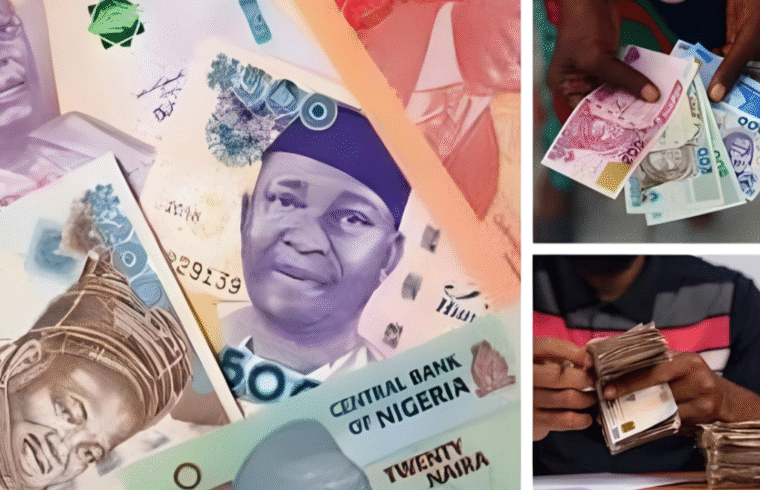
The naira remained under pressure in the informal foreign exchange market, with the U.S. dollar trading above the ₦1,460 mark in Lagos. Activity in the parallel market showed that demand for the greenback continued to influence pricing, even as official channels remained in place for forex access.
For traders operating in the black market on Wednesday, November 5, 2025, the dollar was exchanged at different rates depending on whether customers were buying or selling. Market information indicated that the American currency was purchased at ₦1,450 and sold at ₦1,469, reflecting the usual gap between both sides of the transaction.
Although many Nigerians still monitor the parallel market closely, the Central Bank of Nigeria has maintained its position against that segment of the forex trade. The apex bank does not officially approve black market transactions and has consistently advised individuals and businesses to obtain foreign exchange through recognized banking institutions.
A breakdown of the day’s market picture shows two key trends. In the Lagos parallel market, the buying price stood at ₦1,450 while the selling price was ₦1,469. On the official side, the CBN window recorded rates ranging from a low of ₦1,430 to a high of ₦1,442. This places the formal and informal markets within a noticeable but still closely watched margin.
Gossip News Now reports that exchange values are rarely fixed across every location or dealer, which means the figures available at one point in the day may differ slightly from what another trader offers later. Timing, city, transaction volume, and negotiation strength often shape the final rate a customer gets.
For many businesses and individuals, this difference between the official window and the street market remains an important indicator of pressure in Nigeria’s forex environment. Even when the rates appear close, the spread still matters because it can affect import costs, planning decisions, and everyday pricing in the wider economy.
Commentary and Analysis
The latest figures highlight the continued importance of exchange rate monitoring in Nigeria, especially for people involved in trade, travel, school payments, and other dollar-linked obligations. The black market remains influential because it often reflects real-time demand conditions, even though it operates outside official approval.
At the same time, the CBN’s warning against using the parallel market points to a broader policy effort to strengthen formal channels and reduce dependence on unofficial trading. The challenge, however, is that many Nigerians still look to the street market as a practical reference point, particularly when access through banks is limited or delayed.
© 2025 Gossip News Now, a division of CHIEJOS HARBIAN DIGITAL MEDIA LTD. Contact us via admin@gossipnewsnow.online