Key Takeaways
- Jesus Owono has received a 12-match suspension following his dismissal during FC Andorra’s match against Tenerife.
- The incident involving Jesus de Miguel occurred on November 2, and the striker died the following day.
- The Spanish football federation’s disciplinary committee confirmed the suspension on Friday.
- The 12-match ban represents the maximum punishment available under the existing regulations.
- Alvaro Cervera said the punishment might appear light but maintained that the authorities had to follow the rules.
- The committee based its decision on the referee’s report.
- Tenerife’s match against Ceuta on Sunday will be their first since De Miguel’s death.
- Cervera admitted that the squad was finding the return to training emotionally difficult.
- The manager said players were coping with the loss in different ways and that returning to normality would take time.
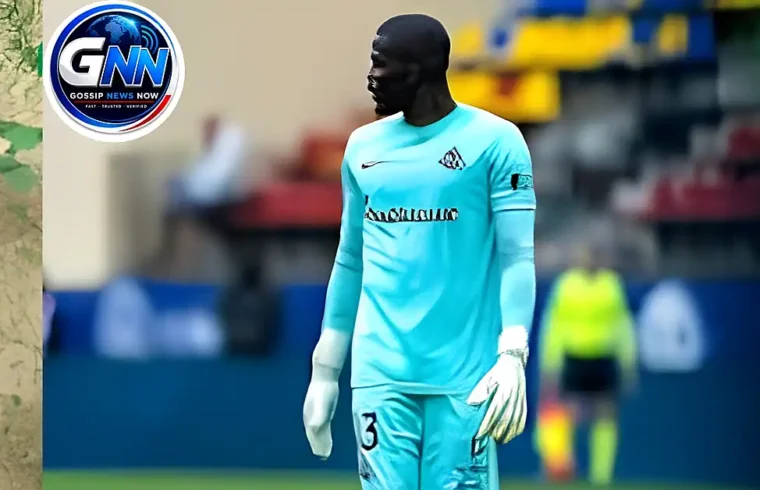
Tenerife manager Alvaro Cervera has acknowledged that the 12-match suspension handed to FC Andorra goalkeeper Jesus Owono might appear lenient following the death of striker Jesus de Miguel, while explaining the limits of the regulations governing the disciplinary decision.
Owono, 25, was sent off after colliding with De Miguel during FC Andorra’s Spanish second-tier encounter against Tenerife on November 2. De Miguel, 30, died the following day, and the Spanish football federation’s disciplinary committee confirmed the goalkeeper’s 12-match suspension on Friday.
The punishment represents the maximum sanction available under the existing regulations. According to the report, the committee was limited to considering the incident on the pitch rather than the tragic events that followed.
Speaking ahead of Tenerife’s Sunday fixture against Ceuta, their first match since De Miguel’s death, Cervera said the authorities had acted within the limits of the rules.
Cervera Explains Why Owono Received a 12-Match Ban
Cervera acknowledged that the suspension might appear light when viewed against the wider circumstances surrounding De Miguel’s death. However, he explained that disciplinary authorities had to apply the regulations currently in place.
The Tenerife manager stressed that the rules did not specifically provide for the circumstances surrounding the incident, leaving the committee to impose the maximum punishment permitted.
“I think that, just as in other areas of life, there are rules or laws that must be followed,” Cervera said, as reported by BBC Sport.
He further explained that the disciplinary committee had acted within the limits of the existing regulations rather than making a decision based on the emotional weight of the tragedy.
“Since the current regulations don’t specifically account for what happened, I believe they have simply adhered to the rules and imposed the number of matches permitted by the regulations.”
Cervera declined to expand on his personal views about whether the punishment was sufficient, making a distinction between his own opinion and the decision the authorities were required to make.
“Anything else I might say would just be my own personal opinion, which I’ll keep to myself. It might seem a bit light when compared to other cases, but in reality, I don’t think the rules allow for anything else.”
Referee’s Report Behind Jesus Owono’s Suspension
The Spanish football federation’s disciplinary committee based its decision on the details contained in the referee’s report from the match between FC Andorra and Tenerife.
According to the report, Owono was dismissed for the nature of his challenge on De Miguel while the ball was in play.
The referee’s report described the incident as:
“Violently striking an opponent in the chest with his leg, using excessive force, while the ball was in play”.
The committee’s decision therefore reflected the offence recorded by the referee and the maximum punishment available under the applicable regulations.
The 12-match suspension was confirmed on Friday, following the incident that occurred during the November 2 fixture.
Cervera Reveals Emotional Challenge Facing Tenerife Players
Beyond the disciplinary decision, Cervera admitted that Tenerife’s preparations for their match against Ceuta had been difficult as the squad continued to deal with the death of De Miguel.
The Sunday fixture will be the club’s first competitive outing since the striker’s death, making the return to football an emotionally challenging moment for the players and coaching staff.
The 61-year-old manager described the squad’s return to training as a gradual process, explaining that although the players appeared to be making progress when together, he remained concerned about how they were coping individually away from the training ground.
“When we’re together, we’re fine, during our sessions, we’re doing well,” he said.
Cervera said the group seemed to be gradually returning to a sense of normality, but acknowledged that the situation could be different for individual players outside their shared training environment.
“It feels like the group is gradually getting back to normal. What we don’t know is how everyone is doing when we’re apart and that’s a significant factor.”
He also pointed out that players deal with grief in different ways, depending on their personal circumstances and the support available to them.
“Everyone has their own way of coping and their own thoughts; some have people at home to support them, while others are more on their own.”
Despite the difficulties, Cervera said the squad was slowly moving forward, although he emphasised that the process remained painful and complicated.
“We’re making progress, a very slow process, but we are moving forward, it’s tough, it’s complicated.”
Tenerife Coach Questions Whether Players Are Ready to Return
Cervera also acknowledged uncertainty over whether every member of his squad was emotionally prepared to resume competitive football following De Miguel’s death.
He recognised that returning to the pitch could offer some players a sense of normality or a temporary distraction, while others might find it difficult to concentrate on football.
The manager said both responses were understandable given the circumstances facing the squad.
“Both positions are reasonable,” he added.
Cervera explained that although a return to routine might help some players, the team could not simply expect everyone to put the tragedy aside and focus entirely on the next match.
“On one hand, you want to return to some sense of normality though you know that true normality isn’t something you’ll find right now.”
He stressed that the emotional impact of such an event was not something players could easily forget when returning to their professional responsibilities.
“This isn’t something you can just set aside or push to the back of your mind to focus on your own work; it’s not like other life events you might encounter. It’s always there, constantly on your mind, yet we have to keep going.”
Tenerife Prepare for First Match Since De Miguel’s Death
Tenerife’s meeting with Ceuta on Sunday will mark the club’s first return to competitive action since De Miguel died.
While the fixture represents a return to the team’s normal football schedule, Cervera’s comments underline the emotional difficulties that may remain for players as they attempt to continue the season.
The manager has acknowledged that the squad is making gradual progress, but also recognises that each player may experience the loss differently.
Meanwhile, Owono’s 12-match suspension remains the maximum punishment available under the existing regulations, according to the supplied report.
The developments have placed both the disciplinary decision and Tenerife’s difficult return to football in focus, as the club continues to cope with the loss of De Miguel.
Frequently Asked Questions
1. How many matches has Jesus Owono been suspended for?
FC Andorra goalkeeper Jesus Owono has received a 12-match suspension from the Spanish football federation’s disciplinary committee.
2. Why was Jesus Owono sent off?
Owono was sent off after an incident involving Tenerife striker Jesus de Miguel during their Spanish second-tier match on November 2. The referee’s report described the challenge as a forceful strike to an opponent’s chest with the leg.
3. Who was Jesus de Miguel?
Jesus de Miguel was a 30-year-old striker who played for Tenerife. He died the day after the November 2 match against FC Andorra.
4. Why did Alvaro Cervera say the ban might feel light?
Cervera acknowledged that the punishment might appear light when compared with other cases, but said the disciplinary committee had to follow the existing regulations, which did not specifically account for the circumstances surrounding the tragedy.
5. Was the 12-match suspension the maximum punishment?
Yes. The supplied report states that 12 matches represented the maximum punishment available under the existing regulations.
6. What did the referee’s report say about the incident?
The report stated that Owono was dismissed for violently striking an opponent in the chest with his leg, using excessive force while the ball was in play.
7. When will Tenerife play their first match since De Miguel’s death?
Tenerife are scheduled to face Ceuta on Sunday. It will be their first match since the striker’s death.
8. What did Cervera say about Tenerife’s players?
Cervera described the team’s recovery as slow and emotionally difficult. He said players were making progress together but might be coping differently when away from the training ground.
Gossip News Now will continue to follow developments surrounding the disciplinary decision and Tenerife’s return to competitive football following the death of Jesus de Miguel.