
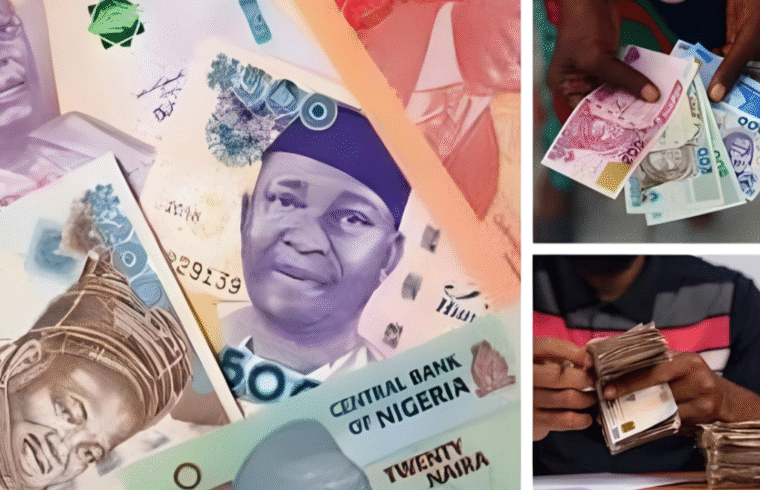
Foreign exchange rates remain a key concern for many Nigerians, particularly businesses and individuals who rely on the U.S. dollar for international transactions. The value of the naira against the dollar continues to fluctuate daily across different segments of the currency market.
According to Gossip News Now, many people in Nigeria still monitor the parallel market—commonly referred to as the black market or Aboki FX—to determine the going exchange rate for the U.S. dollar. These rates are typically obtained from Bureau De Change (BDC) operators operating within major commercial centers such as Lagos.
Recent figures from traders in the Lagos parallel market indicate that the dollar was exchanged at varying rates depending on whether it was being bought or sold. As of Thursday, November 13, 2025, dealers were offering the U.S. dollar to buyers at about ₦1465, while those looking to sell dollars received roughly ₦1457.
It is worth emphasizing that Nigeria’s apex financial regulator, the Central Bank of Nigeria (CBN), does not officially recognize the black market for currency transactions. Instead, the institution encourages individuals and companies that need foreign exchange to carry out their transactions through authorized commercial banks and regulated financial channels.
While the parallel market remains popular due to its accessibility, official exchange rates published through the banking system tend to differ slightly. The regulated market operates under tighter controls and often reflects a range determined by official financial policies.
Official Market Snapshot
Within the official window managed by the Central Bank of Nigeria, the dollar traded within a narrower band on the same day. Available data indicates that the exchange rates recorded through the CBN system ranged roughly between the following values:
- Highest recorded official rate: around ₦1445 per dollar
- Lowest recorded official rate: about ₦1437 per dollar
These figures represent the official reference range within which banks conduct foreign exchange transactions.
Parallel Market Overview
In contrast, the informal currency market reflected the following approximate figures:
- Selling price of the dollar: about ₦1465
- Buying price offered by dealers: around ₦1457
Because the parallel market operates through independent traders, the prices offered by different dealers can vary slightly from one location to another.
Commentary and Analysis
The difference between official and parallel market rates continues to highlight the broader challenges within Nigeria’s foreign exchange environment. Demand for U.S. dollars often exceeds the supply available through official banking channels, which pushes many individuals and businesses toward alternative markets.
At the same time, the Central Bank maintains strict warnings about using the black market due to its lack of regulatory oversight. Authorities argue that encouraging transactions through licensed banks helps stabilize the currency system and improve transparency.
For everyday Nigerians, however, the parallel market often remains the quickest way to access foreign currency, particularly for travel, imports, and international payments.
Because exchange rates can shift rapidly depending on supply, demand, and economic conditions, the actual amount paid or received in transactions may differ slightly from the figures listed above.
© 2025 Gossip News Now, a division of CHIEJOS HARBIAN DIGITAL MEDIA LTD. Contact us via admin@gossipnewsnow.online