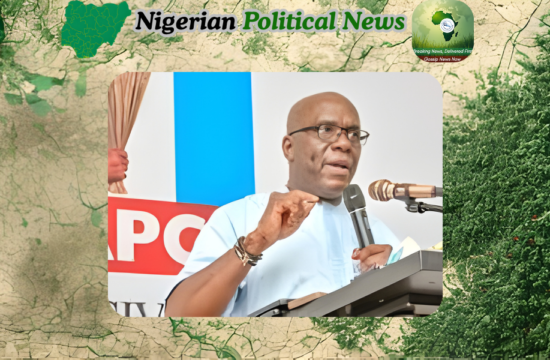


A member of Nigeria’s House of Representatives, Bello El-Rufai, has questioned the apparent disparity in sentencing between two high-profile cases linked to national security concerns.
During a recent parliamentary session, the Kaduna North representative highlighted what he believes is an inconsistency in judicial outcomes involving individuals connected to violent movements in the country. His remarks sparked debate among lawmakers about fairness and public perception within Nigeria’s justice system.
At the centre of his concern is the conviction of Husseini Ismail, who reportedly received a 20-year prison term for offences linked to the extremist group Ansaru, a faction historically associated with Boko Haram.
Bello compared that sentence with the recent life imprisonment handed down to Nnamdi Kanu, the head of Indigenous People of Biafra. The lawmaker said the difference in punishment has generated public confusion and raised questions about how justice is applied in similar cases.
He argued that when sentencing outcomes appear inconsistent, it may weaken public trust in the judicial system and complicate broader efforts to address security challenges in the country.
Despite raising these concerns, the lawmaker also acknowledged recent steps taken by Bola Ahmed Tinubu to strengthen the country’s response to insecurity. According to Gossip News Now reports that Bello commended the administration for unveiling a national security strategy aimed at tackling violent threats across different regions.
However, he stressed that policy announcements alone are not enough. The parliamentarian urged the National Assembly of Nigeria to closely monitor the implementation of such plans, insisting that measurable targets and timelines should accompany government initiatives.
Another area he emphasised was the welfare of Nigeria’s security forces. Bello noted that the country faces a shortage of personnel compared with international recommendations and suggested that improving salaries and working conditions could strengthen morale among officers.
To illustrate the scale of the challenge, he pointed out that the Nigeria Police Force currently operates with a ratio of one officer to hundreds of citizens, which is higher than the standard recommended by global security guidelines.
Commentary and Analysis
Bello El-Rufai’s remarks highlight a recurring debate about consistency within Nigeria’s legal and security frameworks. When different cases involving national security result in widely varying sentences, questions often emerge about judicial interpretation and legal precedent.
Legal experts frequently argue that sentencing decisions depend on the specific charges, evidence presented, and provisions under which defendants are prosecuted. However, public perception can still shape how citizens interpret such outcomes.
The discussion also touches on broader structural issues—particularly the need for stronger institutional capacity within Nigeria’s security sector. Increasing manpower, improving welfare, and ensuring transparent implementation of security policies remain key areas many analysts believe require sustained attention.
© 2025 Gossip News Now , a division of CHIEJOS HARBIAN DIGITAL MEDIA LTD. Contact us via admin@gossipnewsnow.online