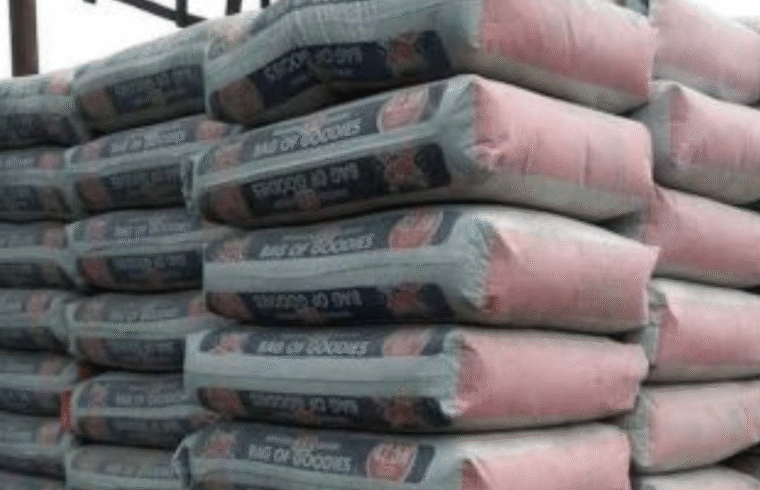
The Nigerian cement market has recently shown signs of stability, with several major brands selling within a close price range. Despite fluctuations seen in other building materials, cement prices appear to have settled at nearly uniform levels across many parts of the country.
A market review conducted over the past week indicates that most leading manufacturers are offering their products at almost identical rates. Gossip News Now reports that the latest retail figures show only a slight variation among the main brands currently dominating the market.
Latest Retail Prices for Popular Cement Brands
Checks from distributors and building materials sellers suggest the following average prices for a 50kg bag of cement:
| Cement Brand | Approximate Price |
|---|---|
| Dangote Cement | ₦10,000 |
| BUA Cement | ₦10,000 |
| Mangal Cement | ₦9,800 |
Among these brands, Mangal Cement currently offers a modest price advantage, selling for about ₦200 less than the other two major producers.
Energy Costs and Manufacturing Expenses
Producing cement requires a substantial amount of energy, making fuel prices one of the biggest cost drivers in the industry. Factories rely heavily on energy sources such as gas, coal, and diesel to run their kilns and other production equipment.
When the cost of these fuels rises, manufacturers often experience higher operating expenses. In particular, shortages in fuel supply can push diesel prices upward, increasing the overall cost of cement production.
Transportation Challenges
The journey from cement factories to wholesalers and retailers also plays a major role in determining final prices.
Deliveries often involve long-distance transport across the country, and rising diesel costs significantly increase haulage fees. In addition, poor road conditions in some areas can slow down distribution and lead to higher vehicle maintenance expenses for transport companies.
Imported Equipment and Port Charges
Although Nigeria produces a large portion of its cement domestically, some essential materials and industrial components still need to be imported.
These imports may include machinery parts, specialized equipment, and maintenance tools required for factory operations. Import duties, port handling fees, and clearance charges can all contribute to higher operational costs for manufacturers.
Impact of Foreign Exchange Rates
Currency fluctuations also affect cement pricing in indirect ways. Several inputs used in cement manufacturing are tied to the U.S. dollar, meaning that exchange-rate instability can increase the cost of procurement.
Items such as industrial lubricants, spare parts, and certain maintenance equipment become more expensive whenever the naira weakens against foreign currencies.
Access to Raw Materials
The location of cement factories relative to raw material deposits can influence production costs. Materials such as limestone, gypsum, laterite, and fly ash are essential for cement production.
Plants situated far from these natural resources often incur additional expenses related to mining, extraction, and transportation, which may eventually impact retail pricing.
Market Demand and Construction Seasons
Cement prices in Nigeria also tend to shift depending on the level of construction activity throughout the year. During periods of intense building activity, demand increases sharply.
These busy periods often include:
- The dry-season construction rush
- Large government infrastructure projects
- End-of-year housing developments
When demand rises significantly, prices may increase due to stronger market pressure.
Government Policies and Regulatory Costs
Manufacturers and distributors must also comply with various government regulations and payments. These include environmental compliance charges, state royalties, transportation levies, and other regulatory fees.
All of these obligations contribute to the overall cost structure of cement production and distribution.
Efficiency Differences Among Manufacturers
Another factor influencing price differences between brands is production efficiency. Companies operating more modern plants with advanced technology can often produce cement at a lower cost.
This operational advantage allows some regional manufacturers to offer slightly cheaper prices compared to larger competitors.
Commentary and Analysis
The current stability in cement prices suggests that the market may have reached a temporary balance between supply and demand. While ₦10,000 per bag remains relatively high compared to previous years, the absence of sudden price spikes offers some predictability for builders and contractors.
However, several underlying factors—particularly fuel costs and foreign exchange fluctuations—continue to pose risks. Any significant change in these areas could quickly affect production costs and push prices upward again.
For developers and homeowners planning construction projects, monitoring these economic indicators remains important, as they often determine whether cement prices will remain steady or rise in the months ahead.
© 2025 Gossip News Now, a division of CHIEJOS HARBIAN DIGITAL MEDIA LTD. Contact us via admin@gossipnewsnow.online