

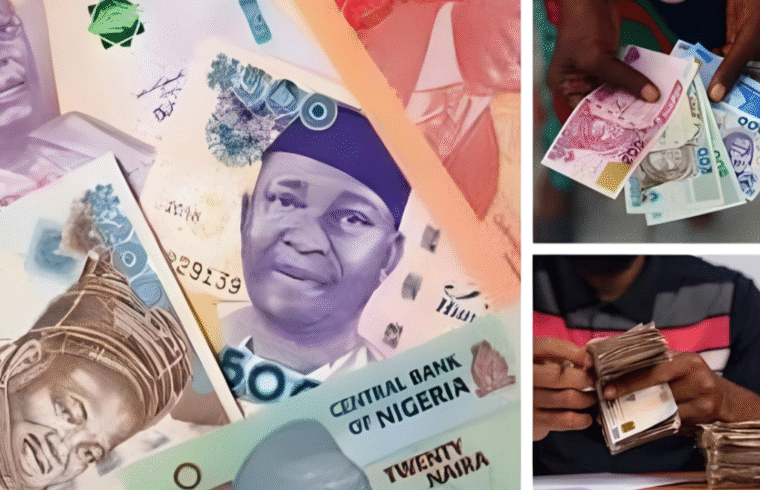
Foreign exchange activity in Nigeria continues to attract attention as traders and businesses monitor daily movements in the value of the naira against the United States dollar. On December 8, 2025, currency transactions in the informal market reflected a noticeable gap between parallel market pricing and official banking rates.
In Nigeria’s widely referenced street trading segment—commonly called the parallel or “Aboki FX” market—dealers reported that the dollar exchanged at about ₦1,490 when sold to buyers, while those looking to sell dollars received roughly ₦1,480. These figures were gathered from operators within the Bureau De Change network in Lagos.
While these numbers often guide informal trading, the Central Bank of Nigeria has repeatedly clarified that such markets are not officially recognized within the country’s regulated foreign-exchange framework.
Parallel Market Snapshot
Dealers operating within the street market provided the following indicative figures for the dollar-naira exchange during the trading period:
- Dollar selling price: approximately ₦1,490 per USD
- Dollar buying price: around ₦1,480 per USD
These figures represent the typical range offered by independent currency traders and may fluctuate slightly depending on location, demand, and negotiation between buyers and sellers.
Official Central Bank Reference Rates
The Central Bank of Nigeria maintains its own official exchange range for currency transactions conducted through licensed financial institutions.
For the same period, the official market reflected values roughly within the following band:
- Upper reference rate: about ₦1,457 per dollar
- Lower reference rate: around ₦1,450 per dollar
These rates are typically derived from official foreign exchange windows used by banks and authorized dealers.
Understanding Price Differences in the Forex Market
The difference between the official and parallel market rates continues to highlight the complexities of Nigeria’s foreign exchange system. Traders often turn to the informal market because it offers quicker access to foreign currency, even though it operates outside regulatory supervision.
Authorities, however, continue to advise individuals and businesses to obtain foreign currency through regulated banking channels to ensure transparency and financial stability.
Commentary and Economic Perspective
The persistent gap between official and street-market exchange rates reflects broader challenges within Nigeria’s forex environment. Limited dollar supply, strong demand from import-dependent sectors, and global economic pressures all contribute to daily fluctuations in the naira’s value.
Financial analysts note that exchange rate stability will depend heavily on improved foreign currency inflows, increased exports, and consistent monetary policies. As Nigeria continues economic reforms aimed at stabilizing the naira, currency traders and businesses will likely keep a close watch on both official market movements and parallel trading trends.
For everyday Nigerians, these fluctuations directly affect the cost of imported goods, travel expenses, and international transactions, making the dollar-naira exchange rate one of the most closely monitored indicators in the country’s economy.
© 2025 Gossip News Now, a division of CHIEJOS HARBIAN DIGITAL MEDIA LTD. Contact us via admin@gossipnewsnow.online