

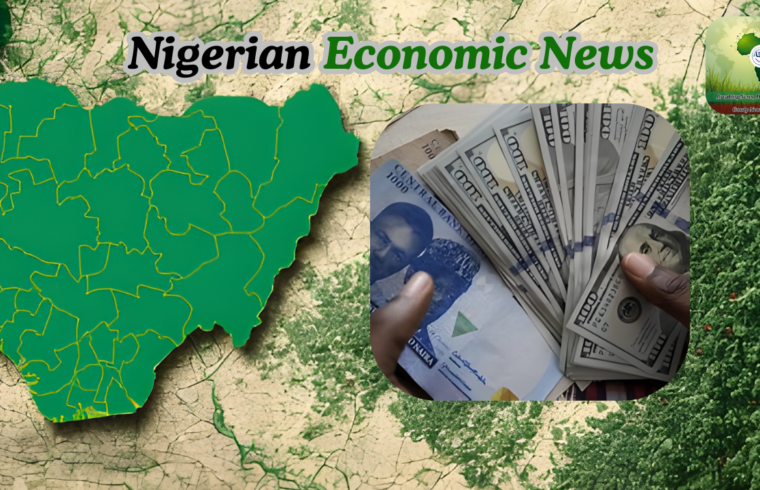
Nigeria’s foreign exchange market continues to experience fluctuations as the naira trades at different levels across the official and parallel segments. Currency dealers and financial observers remain closely attentive to movements in the exchange rate as demand for foreign currency persists across the country.
In the informal currency market commonly referred to as the black market or parallel market, traders in Lagos reported that the U.S. dollar exchanged for around ₦1,485 on the selling side, while buyers were offering approximately ₦1,480 per dollar during trading activities on Monday, December 15, 2025. These figures reflect the rate many individuals encounter when exchanging dollars through Bureau De Change operators outside the official banking system.
Although the parallel market continues to play a major role in Nigeria’s currency trade, the Central Bank of Nigeria (CBN) maintains a different position regarding such transactions. The country’s apex bank has repeatedly stated that it does not officially recognise the operations of the black market.
Instead, the monetary authority advises Nigerians who require foreign currency to obtain it through authorised commercial banks and approved financial channels. The policy is intended to regulate currency flows and stabilise the financial system.
Snapshot of Current Exchange Levels
Based on information gathered from currency traders and financial market reports, the prevailing exchange figures can be summarised as follows:
Parallel Market (Aboki FX Trend)
- Approximately ₦1,480 per dollar when traders purchase foreign currency
- Around ₦1,485 per dollar when the currency is sold to buyers
Official Market Range (CBN Window)
- Highest recorded rate: about ₦1,455 per dollar
- Lowest recorded rate: about ₦1,450 per dollar
These figures illustrate the continuing gap between official exchange rates and those obtainable in the informal market.
Financial analysts often point out that the difference between these two markets reflects supply pressures and strong demand for foreign currency from businesses, importers, and individuals.
Another factor worth noting is that exchange rates rarely remain identical across all locations. Dealers operating in different cities or regions may quote slightly varied prices depending on supply conditions, negotiation margins, and daily trading activity.
Commentary and Analysis
The continued disparity between official and parallel market rates highlights the structural challenges facing Nigeria’s foreign exchange system. Limited dollar liquidity in the official market often pushes many businesses and individuals to rely on the informal segment for quicker access to foreign currency.
This trend has contributed to the persistent premium seen in the black market rate compared to the official CBN window.
For policymakers, narrowing this gap remains a key objective because large differences between official and unofficial rates can distort economic planning and encourage speculative trading. Measures such as increased dollar supply, improved export earnings, and stronger monetary policy coordination may help stabilize the currency over time.
For ordinary Nigerians, however, the practical concern remains straightforward: where to access foreign currency when needed. Until the supply situation improves significantly, the parallel market is likely to remain an influential component of the country’s forex landscape.
© 2025 Gossip News Now, a division of CHIEJOS HARBIAN DIGITAL MEDIA LTD. Contact us via admin@gossipnewsnow.online