

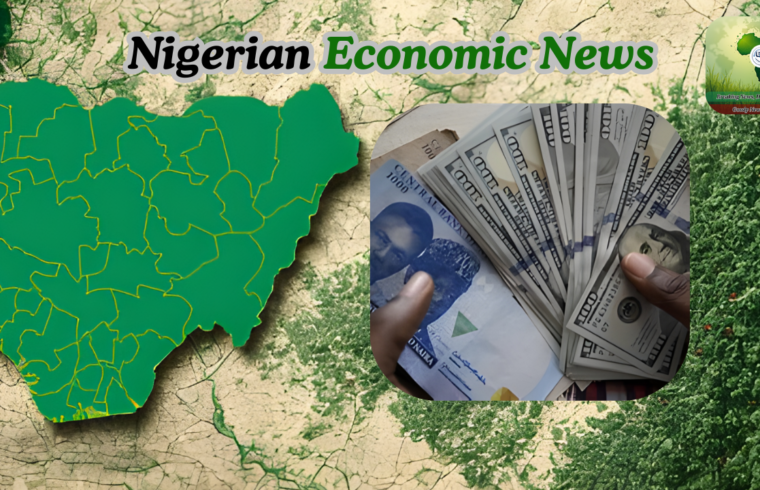
Nigeria’s foreign exchange market continues to experience fluctuations as the value of the naira against the United States dollar varies across different segments of the market. Daily movements in the currency market often reflect the interaction between demand for foreign currency and available supply.
In the informal foreign exchange market—commonly referred to as the parallel market or black market—currency traders provided fresh figures for the naira–dollar exchange rate around mid-December 2025. These rates are widely tracked by businesses and individuals who rely on the open market for foreign currency transactions.
Reports from Bureau De Change operators in Lagos indicate that the dollar traded close to the ₦1,480 range for purchases while selling prices hovered slightly higher. Specifically, traders were buying the U.S. dollar at around ₦1,480 and selling it for approximately ₦1,487 during the period under review.
The difference between buying and selling prices reflects the normal margin used by currency traders in the parallel market. Because transactions in this segment are driven by supply and demand rather than official regulation, exchange values can shift several times within a single day.
For many Nigerians seeking foreign currency, the parallel market remains a widely used option despite regulatory warnings. However, the Central Bank of Nigeria (CBN) has consistently maintained that the unofficial market does not represent the country’s formal exchange system.
The apex bank encourages individuals and businesses that require foreign exchange to obtain it through licensed commercial banks and authorized financial channels rather than relying on unregulated market operators.
Meanwhile, figures from the official window regulated by the CBN showed slightly different values for the naira against the dollar during the same period. The official foreign exchange range placed the highest exchange rate around ₦1,460, while the lowest rate was approximately ₦1,453 per dollar.
The difference between the official rate and the parallel market rate highlights the persistent gap that has characterized Nigeria’s foreign exchange market in recent years. This disparity is often influenced by factors such as liquidity shortages, import demand, and investor sentiment.
It is also important to note that exchange rates quoted in either market may not remain fixed. Prices for buying or selling dollars can vary depending on location, market conditions, or the volume of the transaction involved.
Commentary and Analysis
Currency fluctuations have become a key indicator of Nigeria’s economic stability, especially as the country continues to navigate reforms aimed at stabilizing the naira. When the spread between official and parallel market rates widens, it often signals pressure on foreign exchange supply.
Economic analysts argue that strengthening foreign reserves and boosting non-oil exports could help stabilize the currency over time. Increased foreign investment and improved trade balances may also reduce reliance on the parallel market for foreign exchange transactions.
For now, many businesses and travelers continue to monitor both the official and informal markets closely, as exchange rate movements directly influence import costs, inflation levels, and the overall purchasing power of the naira.
© 2025 Gossip News Now , a division of CHIEJOS HARBIAN DIGITAL MEDIA LTD. Contact us via admin@gossipnewsnow.online