

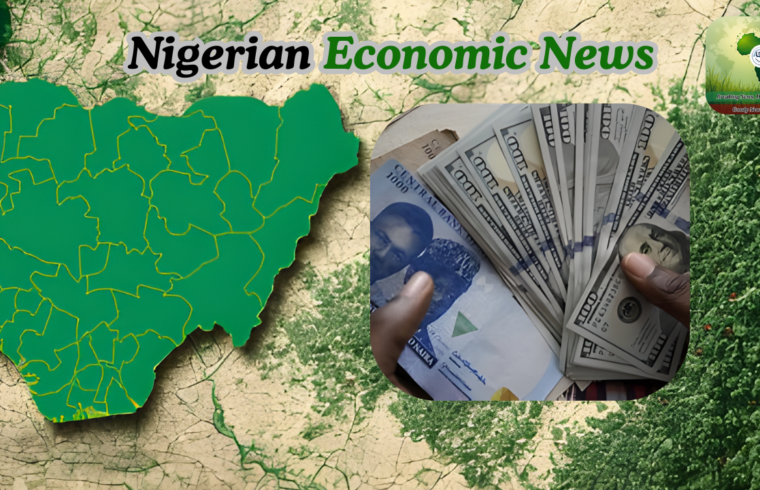
Currency movements remain a major point of interest for businesses and individuals across Nigeria, particularly when comparing the official foreign-exchange market with the widely discussed parallel market. The value of the Nigerian naira against the U.S. dollar often fluctuates depending on supply, demand, and broader economic conditions.
In Nigeria’s informal currency market—commonly called the black market or parallel market—foreign exchange traders continue to provide an alternative source of dollars for individuals who may not access the official banking channels easily. Information gathered from traders in Lagos indicates that the dollar traded at different levels compared with the official financial system.
For transactions conducted in the parallel market during the referenced trading period, the dollar exchanged at around ₦1,489 when buyers sold dollars to dealers, while those seeking to purchase the U.S. currency from traders paid roughly ₦1,495 for each dollar.
These figures reflect the rates reported by several Bureau De Change operators in Lagos, where the majority of informal currency trading activity in Nigeria is concentrated.
Official Foreign Exchange Window
Meanwhile, the formal foreign-exchange market supervised by the Central Bank of Nigeria recorded lower figures compared with the parallel market.
Data from the official market showed that the highest recorded exchange value for the dollar stood at ₦1,469, while the lowest transaction price was around ₦1,460 within the official trading window.
The Central Bank maintains that foreign exchange transactions should ideally be conducted through authorized financial institutions rather than the parallel market.
Because of this policy position, the apex bank regularly encourages individuals and businesses seeking foreign currency to obtain it through licensed commercial banks and regulated financial channels.
Understanding the Difference Between Markets
The gap between official exchange rates and those in the informal market has been a persistent feature of Nigeria’s currency environment. Differences often arise because the parallel market reacts more quickly to changes in demand for foreign currency.
While the official market operates through structured financial systems, the black market tends to reflect immediate supply pressures from importers, travelers, and businesses that require quick access to dollars.
Important Note on Currency Trading
It is also important to recognize that exchange rates reported in market summaries are not always uniform across locations. Dealers may quote slightly different prices depending on factors such as:
- geographic location of the transaction
- size of the currency exchange
- market demand on a particular day
- negotiation between buyer and seller
As a result, individuals conducting foreign exchange transactions might encounter rates that differ slightly from those publicly reported.
Commentary and Analysis
Nigeria’s dual exchange-rate environment continues to shape the country’s economic landscape. The existence of a parallel market alongside the official system highlights the ongoing demand for foreign currency and the challenges associated with meeting that demand through formal channels alone.
Economists often point out that the gap between official and informal exchange rates can influence business decisions, investment planning, and import costs. When the difference becomes significant, companies may adjust pricing strategies or sourcing decisions to manage currency risk.
At the same time, policymakers face the delicate task of stabilizing the naira while ensuring that foreign exchange remains accessible to legitimate users. Efforts to improve dollar liquidity in the banking system are frequently aimed at narrowing the spread between official and parallel market rates.
Ultimately, the trajectory of the naira will depend on several factors, including foreign investment inflows, oil revenues, monetary policy decisions, and broader economic reforms.
© 2025 Gossip News Now, a division of CHIEJOS HARBIAN DIGITAL MEDIA LTD. Contact us via admin@gossipnewsnow.online