

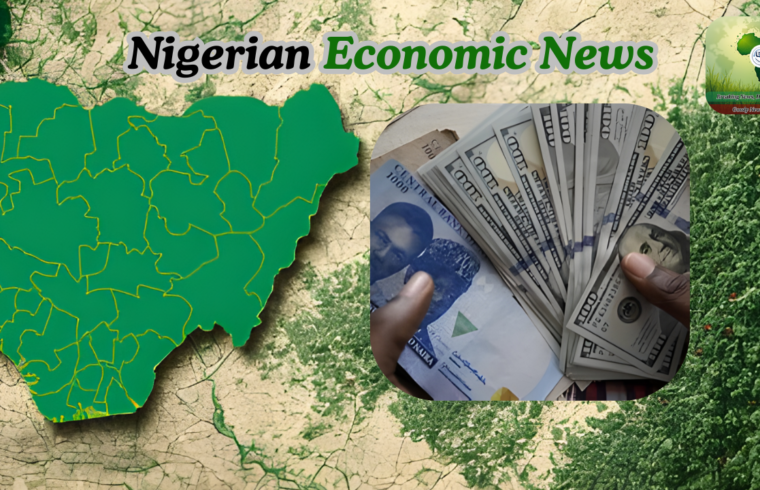
Foreign exchange movements continue to attract significant attention in Nigeria as citizens monitor daily changes in the value of the naira against the U.S. dollar. The exchange rate remains particularly important for individuals and businesses that depend on the parallel market for currency transactions.
Recent checks among currency dealers in Lagos indicate that the dollar is currently trading close to ₦1,485 in the informal market, often referred to as the black market or Aboki FX segment.
Current Parallel Market Rates
According to traders operating within the Lagos currency market, the dollar is being exchanged within a narrow band depending on whether a customer is buying or selling. The prevailing rates observed on Monday, December 22, 2025, include:
- Approximate selling price: ₦1,485 for one U.S. dollar
- Average buying price: ₦1,476 for one U.S. dollar
These figures represent the typical range that customers may encounter when conducting transactions with dealers in the parallel market.
Why Many Nigerians Monitor the Parallel Market
The black market rate is widely followed because it often reflects real-time demand for foreign currency among individuals and businesses. People seeking dollars for travel, importation, education abroad, or online payments frequently turn to this market when official channels are limited or slower.
However, the rates offered by traders may fluctuate based on supply, demand, and the location where the transaction takes place.
CBN’s Position on Black Market Transactions
The Central Bank of Nigeria has consistently warned Nigerians about dealing in the parallel market.
According to the apex bank, foreign exchange transactions should ideally be carried out through authorized financial institutions such as licensed commercial banks and official forex windows.
The regulator maintains that these official channels are designed to ensure transparency and stability in the country’s financial system.
Official Exchange Rate Window
Data from the CBN indicates that the official exchange rate currently falls within a lower band compared with the parallel market.
The latest official figures show the dollar trading within the following range:
- Highest recorded rate: ₦1,466 per dollar
- Lowest recorded rate: ₦1,431 per dollar
These rates typically reflect transactions carried out through approved financial institutions and regulated forex markets.
Why Rates May Differ
Foreign exchange values are rarely identical across all markets. In practice, the amount a person receives when buying or selling dollars may vary depending on several factors.
Common influences include:
- Dealer pricing differences across locations
- Immediate supply of foreign currency
- Demand pressure from businesses and travelers
- Market speculation and economic expectations
Because of these variables, the exact exchange rate offered in a transaction may differ slightly from the quoted figures.
Commentary and Analysis
The gap between official exchange rates and those seen in the parallel market remains a significant feature of Nigeria’s foreign exchange landscape. This difference often reflects the ongoing challenge of balancing currency demand with available supply.
When demand for dollars rises faster than supply through official channels, more people turn to the informal market, where prices adjust quickly to reflect market pressure.
For policymakers, narrowing the gap between official and parallel rates is often seen as a key step toward improving stability in the foreign exchange market. Measures aimed at increasing dollar liquidity and strengthening economic productivity could help reduce reliance on informal currency trading.
As Nigeria continues to navigate economic reforms and global financial pressures, fluctuations in the naira–dollar exchange rate are likely to remain a closely watched indicator of the country’s economic direction.
© 2025 Gossip News Now , a division of CHIEJOS HARBIAN DIGITAL MEDIA LTD. Contact us via admin@gossipnewsnow.online ,