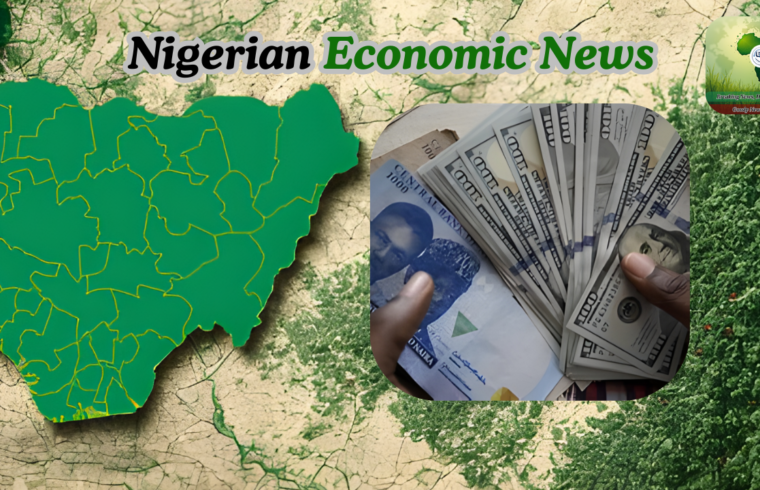
The value of the Nigerian naira against the United States dollar continues to draw close attention from traders, businesses, and everyday citizens. Currency movements in Nigeria often influence the prices of goods, international transactions, and investment decisions.
Across the country, two major reference points shape public discussions about exchange rates: the official figures released by the Central Bank of Nigeria and the rates that circulate in the informal currency market.
Parallel Market Snapshot
Within the unofficial foreign exchange space—commonly called the parallel market or “Aboki FX”—currency dealers in Lagos reported that the dollar was trading around the upper ₦1,400 range toward the end of December 2025.
Information gathered from traders suggested that individuals selling dollars could receive roughly ₦1,467 for each $1, while buyers might pay about ₦1,475 per dollar. The spread between buying and selling prices typically reflects dealer margins and market demand.
Such rates can shift rapidly throughout the day depending on supply levels, travel demand, import needs, and speculative trading activities.
Official Foreign Exchange Window
While the parallel market attracts significant public interest, the official benchmark is maintained by the Central Bank of Nigeria. According to data from the apex bank, the formal exchange window reported a slightly lower range for the naira during the same period.
Figures released through official channels placed the exchange band approximately between:
- ₦1,435 per dollar at the lower end
- ₦1,455 per dollar at the higher end
These rates represent transactions processed through regulated financial institutions operating under the country’s official foreign exchange framework.
Central Bank Advisory
Authorities have repeatedly warned Nigerians against relying on unregulated markets for foreign currency transactions. The Central Bank maintains that only licensed banks and authorized financial institutions should handle forex exchanges.
Officials argue that conducting transactions through official channels promotes transparency, reduces speculation, and supports the stability of the national currency.
Understanding Rate Differences
The difference between official and parallel market prices is not unusual in economies where foreign currency demand exceeds supply. When individuals cannot easily access dollars through formal channels, they often turn to alternative markets where rates are determined purely by demand and availability.
Several factors influence the value of the naira, including:
- Foreign exchange reserves and monetary policy
- Import demand and international trade flows
- Investor confidence in the Nigerian economy
- Global oil prices, which significantly affect Nigeria’s revenue
Important Note for Currency Users
Exchange rates are highly dynamic and can change within minutes. The prices quoted above represent estimates from a particular point in time and may vary depending on location, dealer margins, or sudden market shifts.
Anyone planning to buy or sell foreign currency should confirm the prevailing rate before completing a transaction.
Commentary and Analysis
The continued attention on the dollar–naira exchange rate highlights the central role foreign exchange plays in Nigeria’s economic life. Businesses that rely on imports, international education payments, or foreign travel often feel the impact of currency volatility first.
The gap between official and parallel market rates also reflects structural challenges in the country’s forex supply. When demand for dollars outpaces available supply, alternative markets naturally emerge to fill the gap.
Economic analysts often argue that long-term stability for the naira will depend on broader structural reforms. These include expanding non-oil exports, strengthening domestic production, and improving foreign investment inflows.
Ultimately, while daily exchange figures provide a snapshot of the currency market, sustainable stability will likely depend on economic policies that boost productivity and reduce Nigeria’s dependence on imported goods.
© 2025 Gossip News Now, a division of CHIEJOS HARBIAN DIGITAL MEDIA LTD. Contact us via admin@gossipnewsnow.online