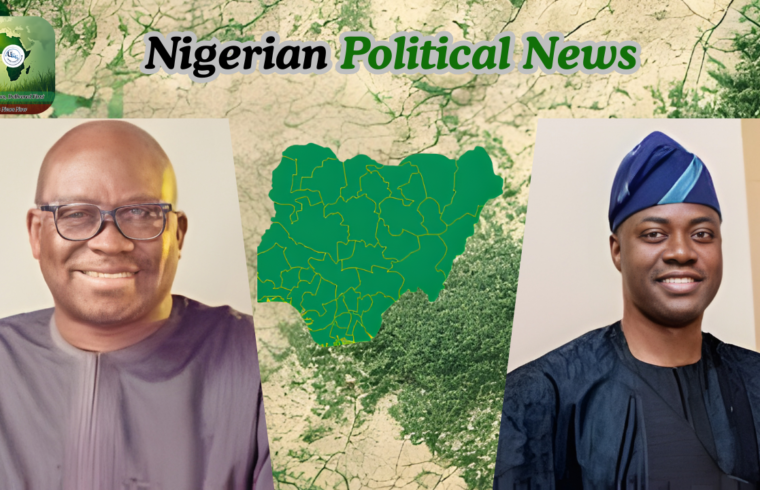
Governor Seyi Makinde has dismissed accusations suggesting that his administration received and mismanaged ₦50 billion from the Federal Government. The allegation, which was raised by former Ekiti State governor Ayodele Fayose, has been described by the Oyo State Government as inaccurate and politically motivated.
According to the governor’s media team, the claim that the funds were released to Oyo State is misleading. They insisted that the widely mentioned ₦50 billion figure refers only to a request made to the Federal Government and not an actual payment into the state’s accounts.
The clarification was communicated through a statement by Makinde’s Special Adviser on Media, Sulaimon Olanrewaju, who responded to the allegations on Sunday. He challenged Fayose to provide concrete evidence if he believes such a large sum was indeed transferred to the state government.
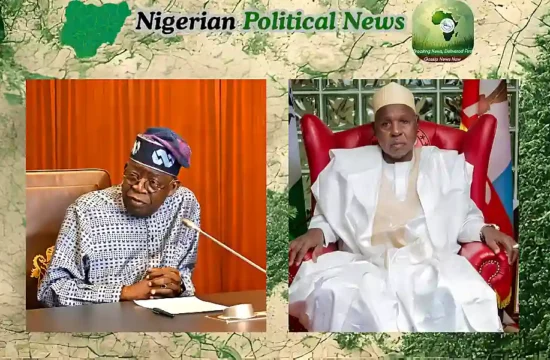
The controversy stems from discussions surrounding federal assistance requested after the devastating explosion that occurred in Ibadan in 2024. Following the tragedy, Governor Makinde reportedly travelled to Abuja to seek intervention from the Federal Government led by Bola Ahmed Tinubu.
According to the statement, the initial discussions involved a proposed intervention of ₦50 billion intended to support relief, rebuilding, and compensation efforts. However, the Oyo State Government maintains that the proposal did not translate into the full release of the amount.
Officials explained that the eventual financial support from the Federal Government amounted to ₦30 billion rather than the ₦50 billion that had earlier been mentioned. They stressed that the difference between a commitment and an actual disbursement appears to be the source of confusion in the ongoing public debate.
The state government also alleged that the remaining ₦20 billion was never released, partly due to issues surrounding conditions reportedly attached to the approval process. According to the governor’s aide, Makinde declined to comply with any improper requests linked to the disbursement of public funds.
Authorities in Oyo State said the funds that were eventually received have already been deployed toward recovery efforts. Part of the money was reportedly distributed directly to victims affected by the explosion, while the rest has been allocated to rebuilding infrastructure in the impacted Bodija area.
The government highlighted that financial compensation was given to both landlords and tenants whose properties were damaged during the incident. This direct support, estimated at about ₦4.5 billion, represented a significant portion of the relief programme.
Officials further noted that reconstruction work is ongoing in the affected neighborhoods, with damaged roads, buildings, and public facilities gradually being restored. Plans have also been announced for the construction of a memorial site intended to honor the victims who lost their lives in the tragedy.
Beyond the financial debate, Makinde’s media team suggested that the controversy may have political undertones. They pointed to the governor’s recent public declaration that he would not support President Tinubu’s re-election bid in the 2027 general elections as a possible trigger for renewed political attacks.
The statement also addressed internal developments within the Peoples Democratic Party, dismissing speculation that political actors aligned with Nyesom Wike were attempting to interfere with party leadership structures in Oyo State.
Makinde’s aides argued that attempts to portray the governor as dishonest or politically isolated were unlikely to succeed, emphasizing that his administration remains popular among voters due to its performance in office.
They concluded by reiterating the governor’s position that allegations unsupported by verifiable facts should not be allowed to dominate public discourse.
Commentary and Analysis
The dispute between Makinde and Fayose illustrates the complex relationship between governance, public perception, and political rivalry in Nigeria. Financial figures linked to federal assistance often become controversial when there is limited clarity about whether funds have been approved, promised, or fully released.
In this case, the difference between a proposed intervention and an actual transfer appears to have fueled misunderstanding. Such confusion is not uncommon in Nigerian politics, where announcements of large intervention packages sometimes precede final disbursement decisions.
Another dimension of the controversy involves internal party dynamics. Both Makinde and Fayose are prominent figures within the PDP, and disagreements between influential members of the same party often reflect broader strategic tensions ahead of future elections.
Ultimately, the issue underscores the importance of transparency in public financial management. Clear documentation of what funds were requested, approved, and released can help prevent political disputes from overshadowing the real goal—supporting citizens affected by tragic events.
© 2025 Gossip News Now, a division of CHIEJOS HARBIAN DIGITAL MEDIA LTD. Contact us via admin@gossipnewsnow.online