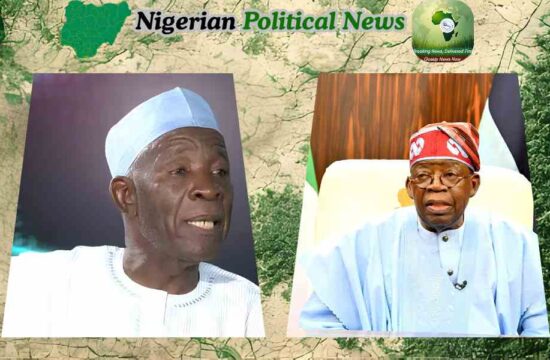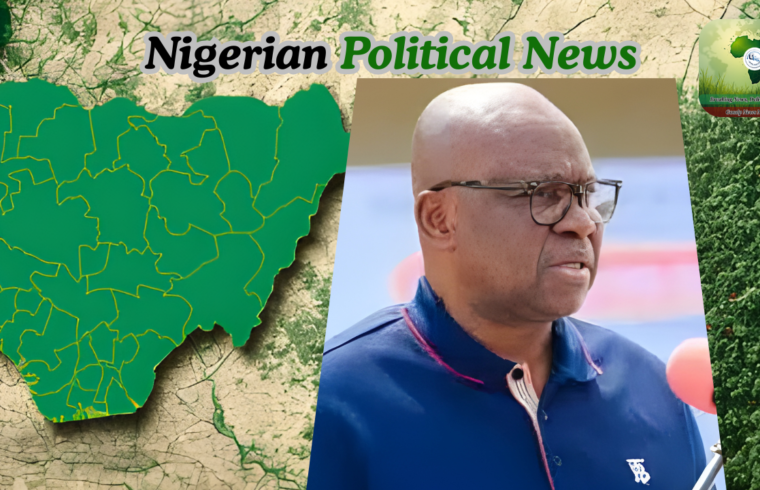
Former Ekiti State Governor, Ayodele Fayose, has weighed in on the impeachment proceedings against Rivers State Governor Siminalayi Fubara and his deputy, Ngozi Odu, stressing that politics is a contest of strategy and power—one that no one can fight on another’s behalf.
Speaking on Channels Television’s Politics Today, Fayose reflected on the Rivers State crisis, emphasizing that Fubara’s return to office should have been an opportunity to emerge more experienced and politically fortified.
“Governor Fubara’s return should have made him more strategic. If you made errors the first time, you are not expected to repeat the same mistakes on your second chance,” Fayose said, highlighting the importance of learning from political missteps.
Lessons from Personal Experience
Drawing from his own tenure, Fayose recalled his removal from office and temporary exile as governor of Ekiti State. He noted that the challenging period strengthened his resilience and sharpened his political acumen, enabling him to return with renewed vigor.
“Politics is a game of power, and no one will fight the battle for you. With all due respect, Fubara is the one benefiting from the office of governor, not the FCT Minister, Nyesom Wike,” Fayose added, underscoring the personal responsibility inherent in political leadership.
Clarifying Misconceptions
Fayose also addressed suggestions that the Rivers State conflict is linked to President Bola Tinubu’s re-election ambitions. He dismissed such claims, noting that both Wike and Fubara are likely to support Tinubu when the time comes.
“This is not about Tinubu’s re-election. Remember, the presidential election will come first. Wike and Fubara will both work for Tinubu. After that, the Rivers State election will follow two weeks later,” he clarified.
He emphasized that politicians risk public scrutiny and loss of credibility when they operate outside constitutional boundaries, but when rules are followed, strategic engagement becomes essential.
Commentary and Analysis
Fayose’s insights reflect a broader principle in Nigerian politics: officeholders must navigate crises themselves to build legitimacy and political strength. The Rivers State situation illustrates how local political battles intersect with broader national ambitions, yet personal accountability remains central.
Political analysts note that Fayose’s emphasis on learning from past mistakes is particularly relevant for Fubara. Effective leadership, they argue, requires transforming setbacks into strategic advantage rather than attributing challenges to external actors.
Moreover, Fayose’s dismissal of linking the conflict to presidential politics underscores the complexity of political timelines in Nigeria. Local and national elections, while interrelated, follow distinct dynamics, and understanding this sequencing is critical for political operatives.
Finally, the commentary highlights a key lesson for emerging politicians: resilience, strategy, and personal accountability are non-negotiable in navigating power struggles and ensuring long-term relevance.
© 2025 Gossip News Now , a division of CHIEJOS HARBIAN DIGITAL MEDIA LTD. Contact us via admin@gossipnewsnow.online