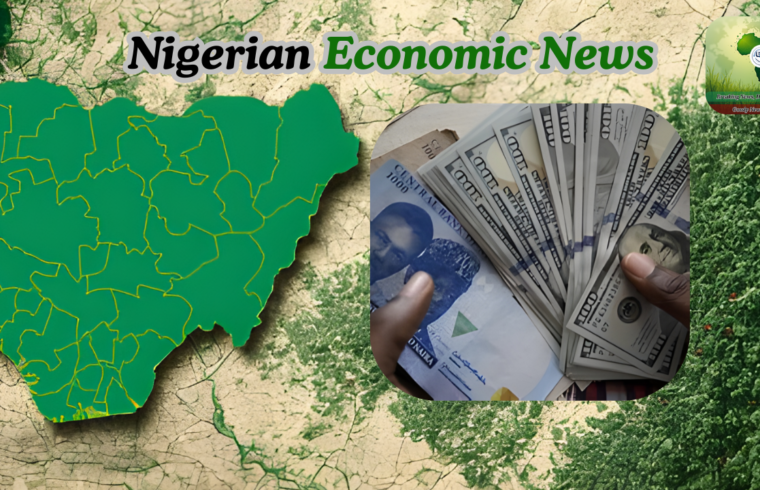
Nigeria’s foreign exchange environment continues to reflect persistent pressure on the local currency, with the U.S. dollar maintaining a dominant position against the naira in unofficial trading channels. Activity in the parallel market—often referred to as the black market—remains a key indicator of real-time demand and supply dynamics, especially for individuals and businesses unable to access official foreign exchange windows.
Recent updates from currency traders operating within Lagos indicate that the dollar commands significantly higher value in these informal exchanges. According to information gathered from Bureau De Change operators, the greenback is currently being exchanged at approximately ₦1485 for sellers, while those looking to offload dollars receive about ₦1479 per unit. This gap between buying and selling prices reflects the profit margin maintained by dealers and the volatility associated with the market.
For clarity, the black market figures can be summarized as follows in a simplified form:
- Dollar purchase by dealers: around ₦1479 per $1
- Dollar sale to buyers: around ₦1485 per $1
These figures may vary slightly depending on negotiation strength, location, and daily fluctuations driven by supply shortages or increased demand for foreign currency.
In contrast, the official exchange window supervised by the Central Bank of Nigeria shows comparatively lower values. Within this regulated framework, the dollar trades within a narrower band, with the highest rate standing near ₦1430 and the lowest around ₦1420. This difference between official and unofficial markets highlights ongoing imbalances in forex accessibility.
The apex bank has consistently maintained its position regarding parallel market activities, emphasizing that such transactions fall outside its regulatory scope. It continues to encourage individuals and corporate entities to obtain foreign exchange through authorized financial institutions, particularly commercial banks, to ensure transparency and compliance with monetary regulations.
Another important factor to consider is that exchange rates are rarely fixed across all locations. Traders often adjust prices based on real-time market conditions, availability of currency, and demand pressure. As a result, the actual value at which individuals complete transactions may differ slightly from published averages.
Market Commentary and Economic Implications
The widening gap between official and black market exchange rates signals ongoing structural challenges in Nigeria’s foreign exchange system. Limited dollar supply through formal channels has forced many participants to rely on alternative sources, strengthening the relevance of the parallel market despite regulatory discouragement.
This trend also reflects broader economic realities, including import dependence, external debt obligations, and investor sentiment toward the naira. When confidence in the official forex supply weakens, demand naturally shifts to informal markets, pushing rates higher and further weakening the local currency’s perceived value.
From a policy perspective, sustained disparities between official and parallel rates may continue to influence inflation, purchasing power, and overall economic stability. Until supply improves or confidence in the formal system strengthens, the black market will likely remain a significant reference point for Nigeria’s true exchange rate environment.
© 2025 Gossip News Now , a division of CHIEJOS HARBIAN DIGITAL MEDIA LTD. Contact us via admin@gossipnewsnow.online