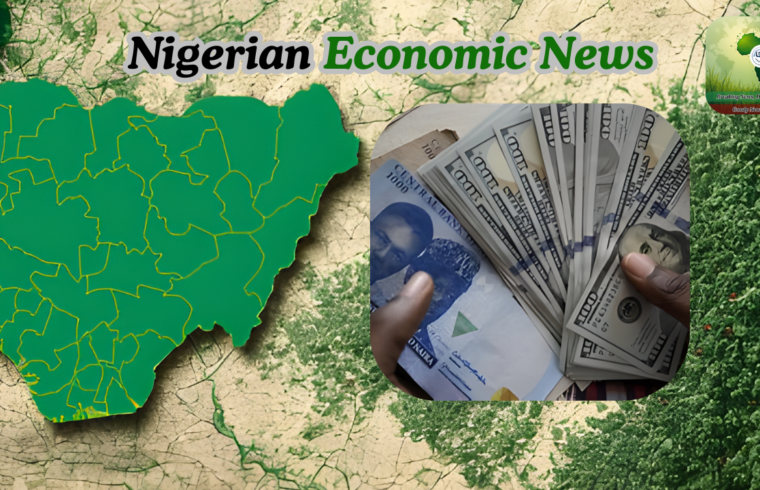
The Nigerian currency continued to face pressure in the parallel market on January 14, 2026, with traders quoting the United States dollar at higher rates compared to the official window. Activity across Bureau De Change (BDC) hubs in Lagos reflected sustained demand for foreign exchange outside the formal banking system.
Parallel Market Snapshot (Aboki FX)
Dealers operating within the black market segment reported that the dollar exchanged hands around ₦1500 for sales, while buyers offered approximately ₦1485 per dollar. These figures represent the prevailing street-level rates at which currency dealers transacted during the day.
For clarity, the buying rate refers to the price dealers pay to obtain dollars, while the selling rate indicates what customers must pay to purchase the currency. Variations can occur depending on location, transaction volume, and negotiation margins.
Official CBN Window
Central Bank of Nigeria
At the official market level, the Central Bank of Nigeria (CBN) recorded lower exchange values compared to the parallel market. Data from the regulated window showed the dollar trading within a band that peaked at about ₦1426 and dipped to roughly ₦1419.
The CBN has consistently maintained that it does not recognize black-market exchange quotations. Instead, it encourages individuals and businesses to source foreign currency through licensed financial institutions and approved channels.
Side-by-Side Rate Overview
Parallel Market (USD → NGN)
- ₦1500 — Selling price
- ₦1485 — Buying price
CBN Official Window (USD → NGN)
- ₦1426 — Highest recorded rate
- ₦1419 — Lowest recorded rate
These differences highlight the persistent gap between official and informal currency markets.
Market Context and Analysis
The disparity between the official and black-market exchange rates underscores ongoing supply-demand imbalances within Nigeria’s foreign exchange landscape. When access to dollars through formal channels tightens, businesses and individuals often turn to the parallel market, driving rates upward.
Economic analysts note that such spreads can influence inflation, import costs, and investor confidence. While the official window aims to stabilize the currency, parallel market pricing frequently reflects immediate liquidity conditions and speculative pressures.
It is also important to recognize that exchange rates in the informal market are not fixed. They fluctuate throughout the day and may vary slightly depending on the dealer or city where transactions occur.
As foreign exchange demand continues to shape Nigeria’s economic narrative, both official policy decisions and market sentiment will likely determine how the naira performs in the coming weeks.
© 2025 Gossip News Now , a division of CHIEJOS HARBIAN DIGITAL MEDIA LTD. Contact us via admin@gossipnewsnow.online ,