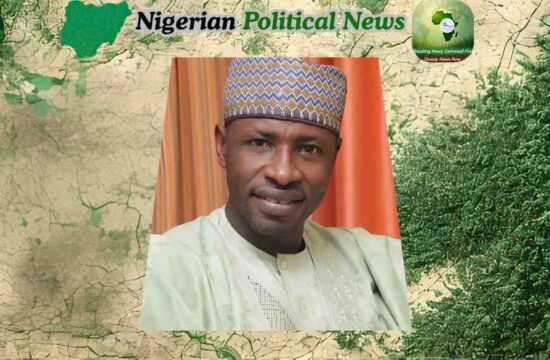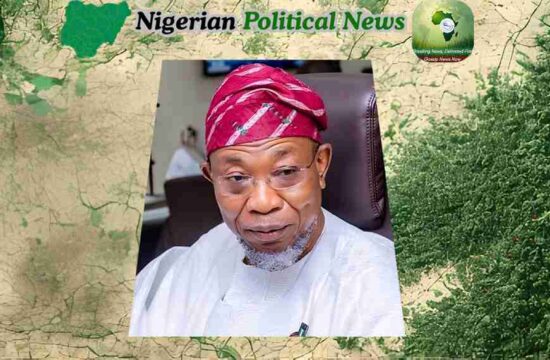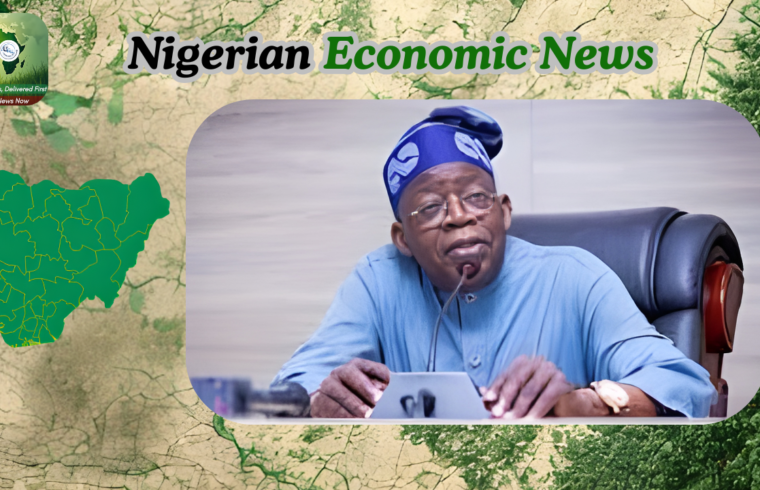
A senior figure in the All Progressives Congress (APC), Biodun Ajiboye, has pushed back against criticism of President Bola Tinubu’s economic direction, arguing that the nation’s current strain is the cumulative effect of policy failures spanning several administrations.
Speaking during a televised interview on ARISE Television, Ajiboye rejected assertions that the present government triggered rising poverty, unemployment, and insecurity. Instead, he traced Nigeria’s difficulties to structural weaknesses and fiscal decisions made long before the current administration assumed office.
According to him, the economic turbulence did not emerge overnight. He cited what he described as years of excessive money creation, questionable oil forward-sales, and distortionary fiscal practices that weakened the foundation of the economy. In his words, a nation with Nigeria’s potential could not have collapsed suddenly without prolonged missteps.
Ajiboye argued that by the time the new administration took over in May 2023, the financial system was already under severe strain. He pointed to trillions of naira reportedly injected into circulation and oil revenues leveraged in advance, questioning what alternative outcome critics expected under such circumstances.
For the APC chieftain, the reforms introduced by Tinubu are corrective rather than harmful. He maintained that decisive action was necessary to prevent a deeper crisis, comparing Nigeria’s trajectory to economies that faced severe collapses when reforms were delayed. He stressed that reversing years of policy mismanagement cannot be achieved within a short political cycle.
Turning his attention to opposition voices, Ajiboye accused some critics of selective amnesia. He suggested that individuals now condemning the administration were once part of the decision-making processes that shaped the current challenges, insisting that accountability should extend beyond present leadership.
He also addressed concerns about the president’s frequent foreign engagements. Ajiboye described international diplomacy as a strategic necessity for economic revival, arguing that investment flows and trade partnerships require active global outreach. Referencing recent visits to countries such as Brazil and engagements in Abu Dhabi, he claimed that tangible opportunities are beginning to emerge from these interactions.
Commentary and Analysis
Ajiboye’s defense highlights a recurring debate in Nigerian politics: whether reforms should be judged solely by their immediate impact or by their long-term stabilization goals. While critics focus on rising living costs and social pressure, supporters frame current policies as unavoidable adjustments to inherited imbalances.
The emphasis on past fiscal practices suggests that the administration aims to reshape public perception by contextualizing hardship within a longer historical arc. However, political narratives alone may not satisfy citizens facing economic strain. Public patience often hinges on visible improvements in employment, inflation, and income stability.
Foreign trips as tools of economic diplomacy remain another contentious topic. Though global engagement can attract investment, domestic audiences may question timing and tangible benefits. Ultimately, the sustainability of the reform agenda will depend on measurable outcomes that translate macroeconomic restructuring into everyday relief.
The unfolding discourse reflects a broader tension between short-term discomfort and promised long-term recovery—a balance that will likely define the administration’s economic legacy.
© 2025 Gossip News Now , a division of CHIEJOS HARBIAN DIGITAL MEDIA LTD. Contact us via admin@gossipnewsnow.online