The Peoples Democratic Party (PDP) has moved to correct public perception following reports suggesting that members were directed to pay a compulsory ₦10,000 contribution for party operations. Party officials described the claim as inaccurate, stressing that no mandatory financial demand was ever issued.
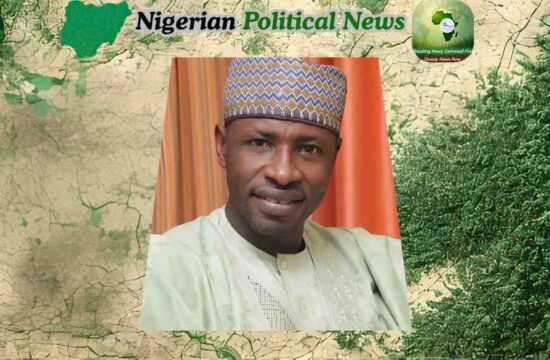
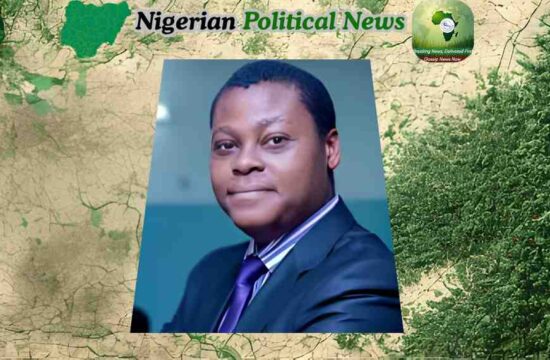
Reacting through its National Publicity Secretary, Ini Ememobong, the opposition party accused a media outlet of misrepresenting an earlier discussion about funding strategies. According to the PDP, remarks made during an interview were taken out of context and transformed into what appeared to be an official directive.
The spokesperson explained that the conversation originally focused on how political organisations can sustain activities through voluntary grassroots participation, particularly at a time when shifting political alliances have affected party finances. He insisted that the party’s message was centered on collective support rather than compulsory payments.
Ememobong argued that while the body of the published interview accurately reflected his comments, the headline attached to the story created a misleading impression by suggesting that members had been ordered to pay a fixed amount.
What the PDP Actually Proposed
To dispel confusion, party officials outlined the philosophy behind their fundraising discussion. The PDP emphasized that it intends to revive a model based on voluntary contributions — a system historically used by political movements seeking broader citizen involvement.
Reframing the explanation, the party highlighted key principles guiding its approach:
Voluntary Participation
- Members are free to contribute any amount they consider convenient.
- No compulsory levy or fixed contribution exists.
Grassroots Financing
- Small individual donations can collectively sustain political activities.
- Financial participation strengthens ownership and engagement among supporters.
Illustrative Example, Not Instruction
- The ₦10,000 figure mentioned publicly served only as a hypothetical scenario demonstrating how collective support could generate significant resources.
Party officials stressed that the example was meant to show potential fundraising capacity rather than impose financial obligations.
Party Accuses Media of Distorting Narrative
In its statement, the PDP expressed concern that sensational headlines could mislead supporters and create unnecessary controversy. Ememobong noted that several other media organisations reported the same interview without suggesting any compulsory payment, reinforcing the party’s claim that the disputed headline mischaracterized the discussion.
He urged members and the wider public to disregard the interpretation suggesting enforced contributions, reiterating that financial support remains entirely optional.
The party also reaffirmed its commitment to transparency, encouraging supporters to assist party activities only in ways they deem comfortable and appropriate.
Commentary & Analysis
The controversy highlights a recurring challenge in modern political communication: how nuanced policy discussions can quickly become distorted when reduced to attention-grabbing headlines. For opposition parties, particularly those navigating internal restructuring or defections, public perception of financial demands can significantly affect morale and credibility.
By clarifying its position, the PDP appears keen to maintain grassroots trust while promoting a funding model rooted in voluntary engagement rather than compulsory levies. Such approaches increasingly mirror global political trends where citizen-driven financing replaces reliance on a small number of elite donors.
The episode also underscores the growing importance of media framing in shaping political narratives. In an era of rapid information circulation, the distinction between illustrative examples and official policy can easily blur, making prompt clarification essential for political organisations.
Ultimately, the PDP’s response reflects an effort to reaffirm democratic participation — emphasizing that political support, financial or otherwise, must remain a matter of choice rather than obligation.
© 2025 Gossip News Now, a division of CHIEJOS HARBIAN DIGITAL MEDIA LTD. Contact us via admin@gossipnewsnow.online