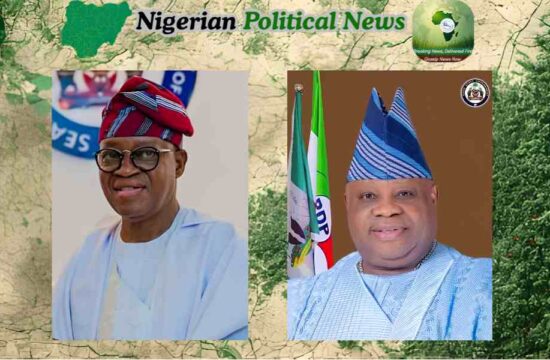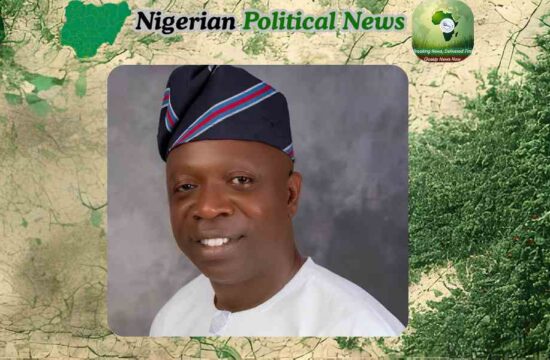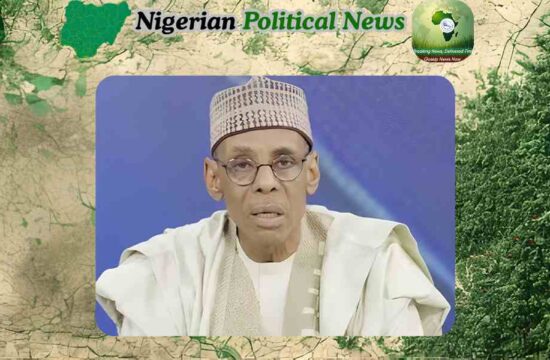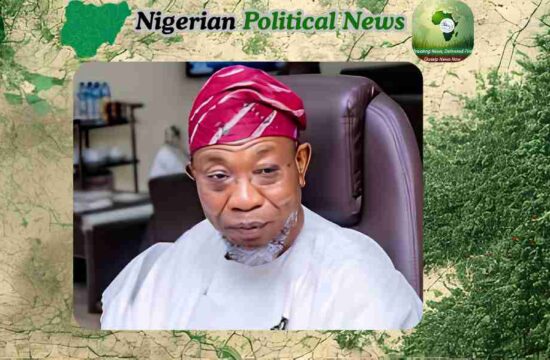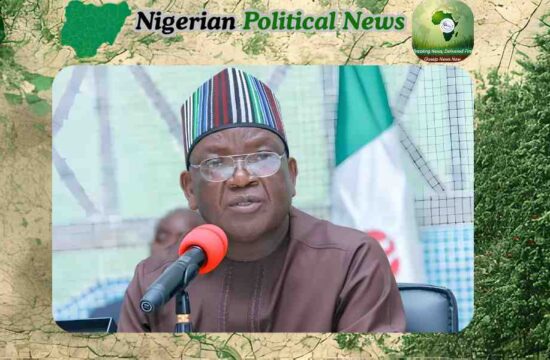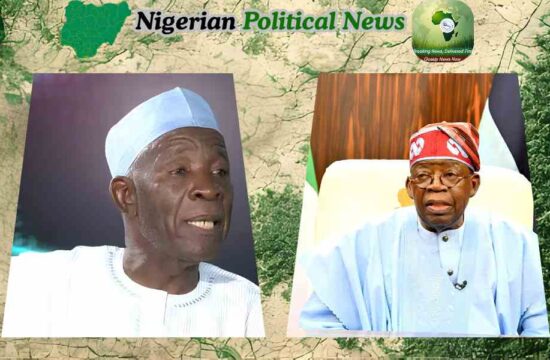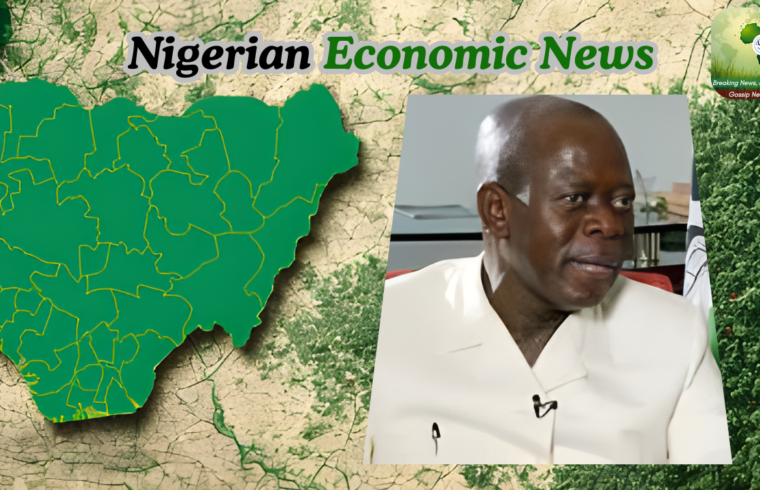
Senator Adams Oshiomhole has offered a detailed defence of the Federal Government’s ongoing tax reform programme, arguing that the initiative reflects a modern governance model built on fairness and shared economic responsibility. According to the former Edo State governor, the reform is structured to protect vulnerable citizens while ensuring that individuals with stronger financial capacity shoulder a larger portion of national obligations.
Speaking during a television interview, Oshiomhole described the policy direction of President Bola Tinubu’s administration as consistent with progressive economic thinking, noting that taxation reforms are aimed at correcting long-standing imbalances within Nigeria’s revenue system.
Progressive Taxation at the Core of Reform
Rather than imposing uniform financial pressure across all income levels, the revised tax structure seeks to differentiate between high-income earners and struggling households. Oshiomhole explained that lawmakers intentionally supported provisions that reduce the burden on lower-income groups while demanding proportionate contributions from wealthier taxpayers.
He revealed that he personally supported the legislation during its passage, stressing that equitable taxation remains central to sustainable governance.
Why Government Cannot Function Without Taxes
During the discussion, the senator addressed what he described as a widespread misconception about government finances. He emphasised that public institutions do not independently generate income, clarifying that national revenue ultimately originates from economic activities carried out by citizens and private enterprises.
According to him, taxes collected from these activities form the foundation upon which government programmes, infrastructure development, and social services are financed each year.
Oshiomhole noted that misunderstanding this relationship often fuels resistance to taxation policies, even though such systems exist in virtually every functioning economy worldwide.
Relief Measures for Ordinary Nigerians
Highlighting expected outcomes of the reform, he stated that working families stand to benefit from exemptions and adjustments built into the new framework. The intention, he said, is to ease financial strain on average earners while maintaining adequate government funding for public services.
He argued that balanced taxation encourages economic stability by ensuring that contributions reflect earning capacity rather than placing equal pressure on unequal income groups.
Clarification on Value Added Tax Concerns
Responding to public anxieties surrounding Value Added Tax (VAT), Oshiomhole explained that consumption taxes typically target non-essential goods and luxury purchases rather than basic necessities. He pointed out that Nigerians routinely pay VAT when shopping abroad yet express opposition when similar policies are implemented domestically.
By highlighting this contrast, the senator suggested that resistance to local taxation often stems from perception rather than policy substance.
Link Between Revenue and Governance
Oshiomhole maintained that effective governance depends on reliable revenue streams. He argued that taxation should not be viewed merely as a financial obligation but as a collective investment enabling governments to deliver infrastructure, security, and social welfare programmes.
He added that reforms aimed at strengthening revenue collection could ultimately improve public service delivery if implemented transparently.
Commentary and Analysis
The senator’s remarks reflect a broader effort by the Tinubu administration to reshape public understanding of taxation in Nigeria. Historically, resistance to tax reforms has been tied to concerns about accountability and trust in government spending. By framing taxation as a progressive tool rather than a punitive measure, policymakers appear to be attempting a shift in national economic culture.
However, the success of such reforms will likely depend on visible improvements in public services. Citizens tend to accept taxation more readily when they perceive tangible returns in infrastructure, healthcare, education, and economic opportunity.
The debate therefore highlights a fundamental challenge for Nigeria’s fiscal future: building a tax system that balances fairness, efficiency, and public confidence while reducing reliance on volatile oil revenues.
© 2025 Gossip News Now, a division of CHIEJOS HARBIAN DIGITAL MEDIA LTD. Contact us via admin@gossipnewsnow.online