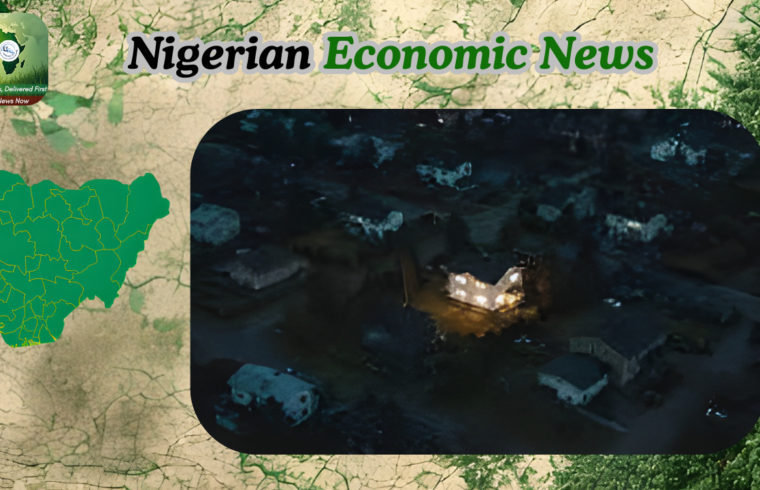
Large parts of Kano State experienced widespread blackout after employees of the Kano Electricity Distribution Company (KEDCO) embarked on an indefinite industrial action, disrupting electricity supply across the metropolis and surrounding communities.
The strike, initiated by electricity sector unions, followed unresolved disagreements between workers and management over welfare-related concerns. Residents woke up to sudden power cuts that quickly affected commercial activities, small businesses, and household routines.
Labour Unions Move After Ultimatum Expired
The industrial action was jointly organised by the Senior Staff Association of Electricity and Allied Companies (SSAEAC) and the National Union of Electricity Employees (NUEE). Union leaders explained that the decision came after an earlier ultimatum issued to management expired without a satisfactory response.
Workers reportedly gathered at the company’s headquarters, restricting access to offices and effectively halting administrative and operational activities.
According to labour representatives, years of unresolved staff grievances compelled the unions to escalate the dispute.
Workers List Longstanding Complaints
Union officials said their demands go beyond immediate workplace issues, describing the strike as a response to accumulated concerns dating back several years. Among the matters highlighted were:
- Outstanding pension remittances and retirement benefits
- Unpaid entitlements related to deceased employees
- Working conditions considered inadequate by staff
- Allegations of uneven career progression opportunities
Labour leaders argued that repeated negotiations had failed to produce lasting solutions, leaving industrial action as their final option.
Promotion Dispute Adds to Tension
Another major point of disagreement involved a recent promotion exercise conducted by the company. Union representatives alleged that several employees had remained stagnant in rank for over a decade, while others were promoted under what they described as selective criteria.
They claimed the process deepened dissatisfaction among workers already frustrated by unresolved welfare issues.
Company Management Responds to Allegations
In reaction, KEDCO management rejected claims of neglecting staff welfare. Through its Head of Corporate Communications, Sani Bala Sani, the company stated that many of the problems predated the current leadership.
Management acknowledged the existence of legacy challenges but insisted that progress had been made, particularly regarding pension obligations. According to the company, a structured welfare reform programme introduced within the past several months has addressed a significant portion of outstanding payments.
Officials also defended the promotion exercise, saying it followed internal guidelines and benefited more than a thousand eligible employees.
Efforts Underway to Restore Electricity Supply
While defending its position, KEDCO assured customers and stakeholders that dialogue with union leaders and relevant authorities was ongoing. The company expressed optimism that negotiations would eventually resolve the dispute and allow electricity distribution to resume fully.
For residents and businesses already affected by the blackout, however, restoration of power now depends on how quickly both parties reach common ground.
Commentary & Analysis: Labour Disputes and Nigeria’s Power Sector Challenges
The Kano blackout underscores deeper structural challenges facing Nigeria’s electricity distribution companies. Labour disputes in the power sector often reveal tensions between inherited financial liabilities, operational reforms, and employee welfare expectations.
Electricity distribution firms frequently operate under heavy debt burdens and regulatory constraints, yet workers demand improved conditions in line with rising economic pressures. When negotiations fail, the immediate impact is felt by consumers whose livelihoods depend on stable electricity supply.
The situation also highlights how industrial relations directly influence economic productivity. Extended power outages can disrupt markets, increase operating costs for businesses reliant on generators, and strain public confidence in electricity reforms.
Ultimately, sustainable stability in the power sector may require stronger labour-management engagement frameworks, transparent welfare policies, and long-term financial restructuring capable of balancing operational efficiency with employee welfare.
© 2025 Gossip News Now , a division of CHIEJOS HARBIAN DIGITAL MEDIA LTD. Contact us via admin@gossipnewsnow.online