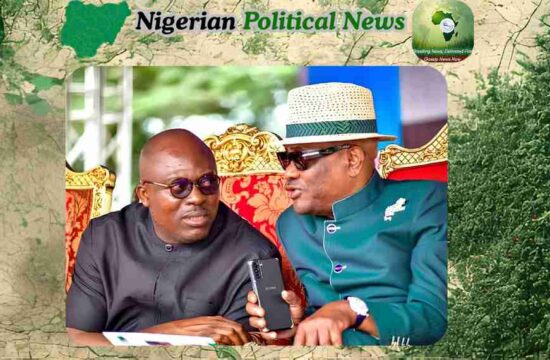
Prominent Rivers State activist and political voice Annkio Briggs has openly challenged growing claims suggesting that the political future of the oil-rich state is tied solely to the influence of the Minister of the Federal Capital Territory, Nyesom Wike.
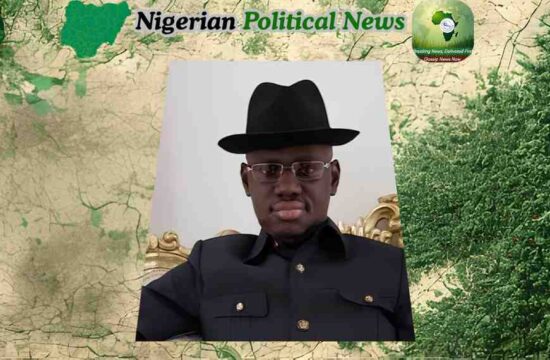
Her remarks come amid intensifying political tension surrounding the administration of Governor Siminalayi Fubara, particularly as debates continue over alleged impeachment efforts targeting both the governor and his deputy, Ngozi Odu.
Debate Over Power and Political Influence
During a television interview discussing developments in Rivers politics, Briggs questioned repeated references to a supposed political “agreement” frequently cited by lawmakers and allies connected to Wike. According to her, discussions about such an arrangement remain unclear to many residents despite being widely mentioned in political conversations.
She expressed concern that public discourse has shifted toward portraying one individual as indispensable to the survival or governance of the state — an idea she firmly rejected. Briggs argued that governance structures, institutions, and citizens ultimately define a state, not any single political actor.
Defence of Governor Fubara’s Support Base
Briggs maintained that Governor Fubara continues to enjoy widespread grassroots backing across Rivers communities. She insisted that public loyalty toward the governor was not manufactured through elite political negotiations but rooted in popular sentiment among ordinary residents.
Addressing speculation about possible political realignments, she noted that even if strategic decisions required the governor to change party affiliation, his core supporters would likely remain loyal because their support is tied to leadership performance rather than party labels.
In her words, the strength of a political leader lies in public trust rather than endorsements from powerful figures.
Political Independence and Personal Position
While clarifying her own political stance, Briggs explained that she does not align herself strictly with any single political party. Instead, she emphasized that electoral decisions should be guided by candidates’ credibility, policies, and prevailing circumstances at the time of elections.
Her comments underscored a broader call for voters to prioritize governance outcomes over political loyalty or personality-driven politics.
Rising Tensions in Rivers State
The current political climate in Rivers State has drawn national attention, with rival factions exchanging accusations over control of legislative processes and executive authority. Analysts believe the unfolding situation reflects deeper power struggles following leadership transitions within the state’s political hierarchy.
Observers say the repeated invocation of an “agreement” has become symbolic of ongoing negotiations between competing interests, though details remain largely undisclosed to the public.
Commentary and Analysis
Briggs’ intervention highlights a recurring theme in Nigerian politics — the tension between strong political personalities and institutional governance. Her rejection of the idea that Rivers State’s existence depends on any individual resonates with democratic principles emphasizing collective leadership and constitutional authority.
Political analysts argue that personality-centric politics often dominates public narratives, particularly in states where influential figures maintain extensive political networks. However, statements like Briggs’ reflect increasing resistance to narratives that concentrate power around one individual.
The debate also reveals shifting dynamics within Rivers State politics, where loyalty, legitimacy, and grassroots support are becoming central factors shaping public opinion. By framing the issue as one of institutional integrity rather than personal rivalry, Briggs has repositioned the conversation toward governance accountability.
Ultimately, her comments serve as a reminder that political stability in any state relies on functional systems, citizen participation, and respect for democratic processes — not the dominance of a single political personality.
© 2025 Gossip News Now, a division of CHIEJOS HARBIAN DIGITAL MEDIA LTD. Contact us via admin@gossipnewsnow.online