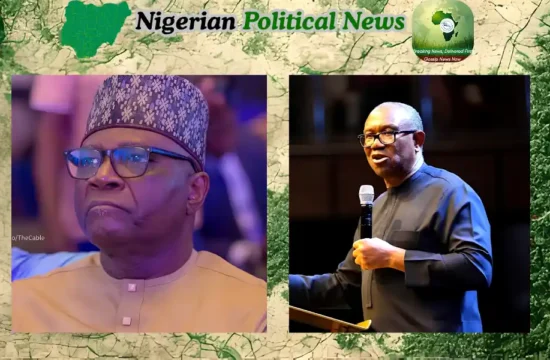
History often treats imprisonment as the end of political ambition, yet numerous global figures have proven the opposite. For some leaders, incarceration did not silence their influence; instead, it strengthened their resolve, reshaped public perception, and ultimately propelled them into positions of national leadership.
Across different eras and continents, individuals detained under colonial systems, authoritarian governments, or political rivalries later emerged as presidents or heads of state. Their experiences behind bars frequently transformed them into symbols of resistance, reform, or national rebirth.
Resistance Forged Behind Bars
One of the most powerful examples remains Nelson Mandela, whose 27-year imprisonment during apartheid converted him into a universal icon of reconciliation. Rather than weakening his movement, his confinement amplified international support that eventually paved the way for democratic transformation in South Africa.
Similarly, José Mujica endured years of harsh detention linked to guerrilla activism. His later presidency became defined by humility and social reforms shaped directly by the psychological lessons learned during isolation.
In Eastern Europe, two influential figures reshaped political history after imprisonment. Trade union leader Lech Wałęsa rose from detention to dismantle communist control in Poland, while playwright-turned-dissident Václav Havel transitioned from jailed activist to democratic statesman following the peaceful Velvet Revolution.
Detention as a Catalyst for Political Reinvention
Asia offers another compelling case through Anwar Ibrahim, whose repeated imprisonments strengthened his image as a reform advocate. Years later, public sympathy and sustained political mobilization helped him achieve national leadership.
In Africa’s liberation struggles, incarceration frequently preceded independence-era leadership. Robert Mugabe spent a decade detained during anti-colonial resistance before assuming power at independence, while Yoweri Museveni emerged from political persecution and conflict to establish a long-standing presidency after overthrowing military rule.
Another West African figure, Félix Houphouët-Boigny, experienced colonial detention during early nationalist activism, an episode that failed to halt his rise as one of the region’s most dominant post-independence leaders.
From Arrest to Popular Mandate
In Latin America, incarceration sometimes produced immediate political momentum. Juan Perón briefly faced detention during political turmoil, only for massive public protests to restore him to prominence and launch a powerful populist movement that shaped Argentina for decades.
Brazil’s Luiz Inácio Lula da Silva also experienced arrests connected to labour activism under military rule. His transition from factory worker and union organizer to president became one of the most recognizable stories of political ascent driven by grassroots mobilization.
Patterns Behind These Transformations
Although their backgrounds differed widely, several common threads link these leaders:
- Confinement often elevated them into symbols larger than individual politics.
- Public sympathy frequently increased during imprisonment.
- Detention allowed time for ideological reflection and strategic planning.
- Upon release, many returned to politics with strengthened legitimacy.
Rather than ending their careers, incarceration sometimes validated their struggles in the eyes of citizens seeking change.
Commentary & Analysis
The journeys of these leaders reveal a paradox within political history: repression can unintentionally create powerful leadership figures. Governments attempting to silence opposition occasionally amplify it instead, transforming prisoners into national heroes.
Imprisonment reshapes narratives. A political detainee often becomes a moral symbol, allowing supporters to frame their cause around justice, sacrifice, and resilience. When political climates later shift, such individuals return not merely as politicians but as embodiments of national struggle.
However, history also demonstrates that post-prison leadership outcomes vary widely. Some leaders ushered in democratic reforms, while others developed controversial or authoritarian legacies. This contrast underscores an important lesson—surviving incarceration may forge influence, but governing successfully depends on choices made after power is attained.
Ultimately, these stories highlight humanity’s enduring fascination with redemption and perseverance. From prison cells to presidential palaces, adversity has repeatedly reshaped political destiny across the world.
© 2025 Gossip News Now , a division of CHIEJOS HARBIAN DIGITAL MEDIA LTD. Contact us via admin@gossipnewsnow.online