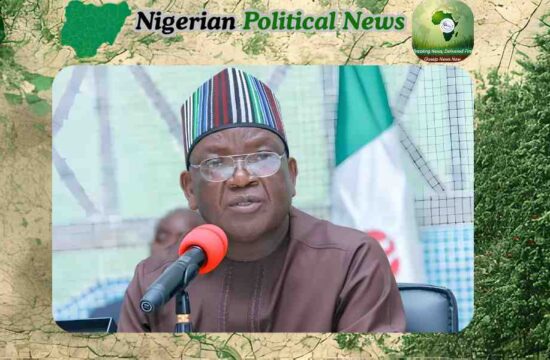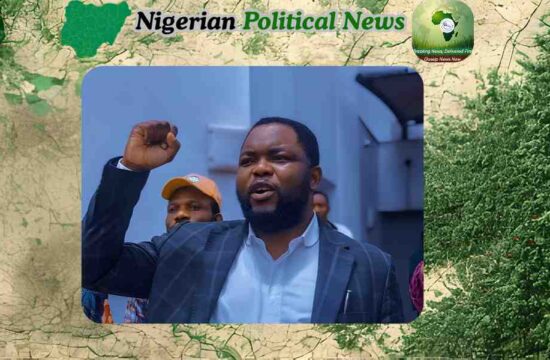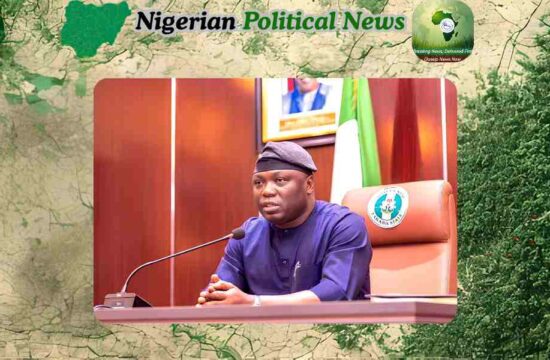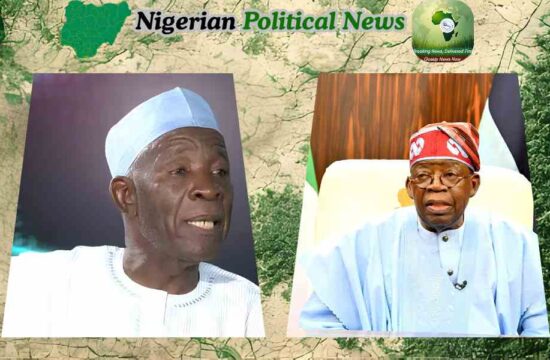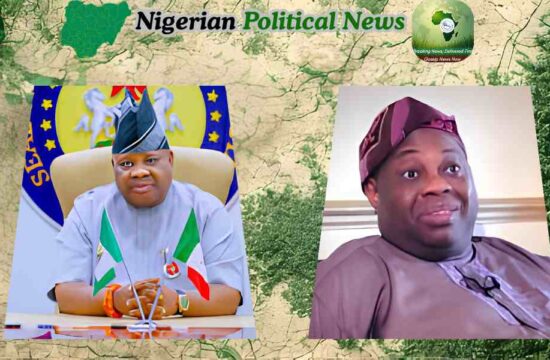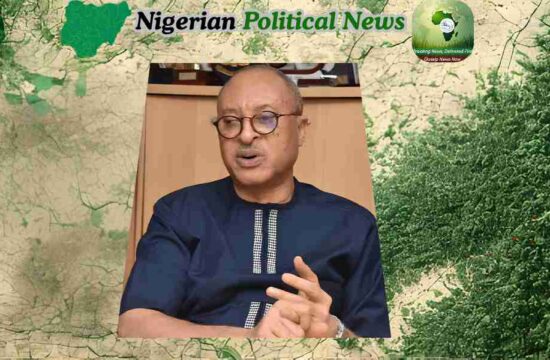
The political dispute unfolding in Rivers State has taken another dimension following claims by political analyst Mahmud Jega, who suggested that attempts were once made to remove the state’s Chief Judge amid tensions surrounding possible impeachment proceedings against Governor Siminalayi Fubara.
During a televised interview, Jega argued that developments within the Rivers State House of Assembly indicate a deeper struggle involving legislative power and judicial independence. He alleged that lawmakers aligned with former governor and current Federal Capital Territory Minister Nyesom Wike sought to influence the legal process tied to impeachment efforts.
Rather than focusing solely on political rivalry, Jega framed the issue around constitutional procedure. He explained that the success of impeachment proceedings in Nigeria often depends on judicial participation, particularly the role of a state’s Chief Judge, who is responsible for establishing an investigative panel when allegations are brought against a governor or deputy.
According to him, the Rivers Assembly reportedly faced difficulty securing judicial cooperation necessary to advance impeachment plans. Without such cooperation, he noted, the constitutional process cannot proceed effectively.
Judicial Role in Impeachment Processes
Jega used historical examples to explain how impeachment mechanisms have functioned in Nigeria’s past. He observed that while legislatures possess constitutional authority to initiate impeachment, the judiciary’s involvement often determines whether the process succeeds or collapses.
Instead of presenting the explanation chronologically, he outlined the structural realities shaping impeachment outcomes:
- Legislatures initiate allegations through constitutional procedures
- The Chief Judge appoints a panel to investigate accusations
- Findings of the panel determine whether removal can proceed
- A verdict clearing the accused immediately terminates the process
He argued that judicial neutrality therefore becomes a decisive factor in politically charged impeachment battles.
Allegations Surrounding the Rivers Chief Judge
Jega further claimed that earlier accusations levelled against Rivers State Chief Judge Justice Samuel Amadi, including claims related to age documentation, may have been politically motivated. In his view, the allegations surfaced after lawmakers allegedly realised they could not rely on judicial support for a panel likely to deliver a predetermined outcome.
He suggested that the inability to secure cooperation from the Chief Judge created a major obstacle for lawmakers believed to hold sufficient numbers within the assembly to pursue impeachment.
At another point, Jega highlighted what he described as a departure from historical precedent, noting that courts have recently intervened in the Rivers crisis — a development he considers different from earlier impeachment episodes where judicial institutions avoided halting legislative actions.
Commentary & Analysis
The Rivers political crisis illustrates the complex balance between Nigeria’s three arms of government. While impeachment remains a constitutional tool designed for accountability, its application often becomes entangled in political power struggles.
Analysts observe that the judiciary’s role in appointing investigative panels makes Chief Judges pivotal figures during impeachment controversies. Any perception of pressure on judicial officers raises broader concerns about institutional independence and constitutional safeguards.
Jega’s remarks also underscore a recurring pattern in Nigerian politics: impeachment attempts frequently reflect political alignment rather than purely legal considerations. When executive, legislative, and judicial interests collide, constitutional mechanisms are tested under intense public scrutiny.
Ultimately, the Rivers situation may become a defining case study on how Nigeria’s democratic institutions manage conflict between political majorities and judicial autonomy. Whether the crisis evolves through negotiation, legal rulings, or political compromise, it continues to shape national debate on governance and rule of law.
© 2025 Gossip News Now, a division of CHIEJOS HARBIAN DIGITAL MEDIA LTD. Contact us via admin@gossipnewsnow.online