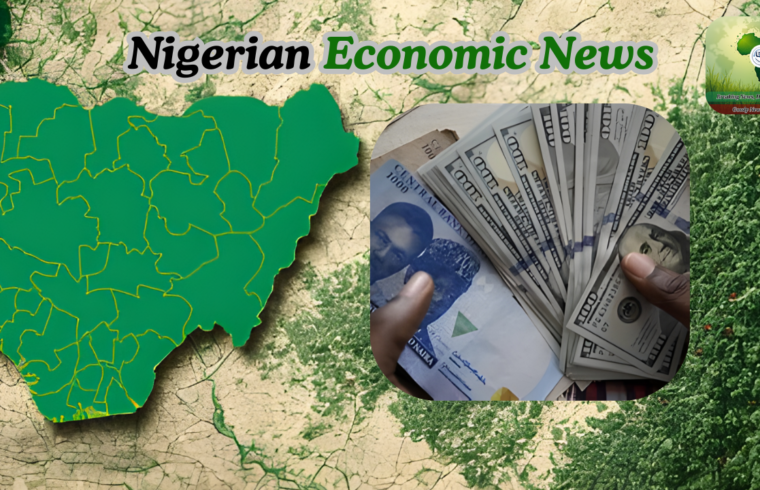
Nigeria’s foreign exchange market continues to attract attention as the gap between official and street trading rates for the U.S. dollar remains noticeable. Latest currency updates show sustained pressure on the naira across informal trading channels despite regulatory efforts by monetary authorities.
Market checks among Bureau De Change operators in Lagos indicate that the dollar maintains stronger value within the parallel market, commonly referred to as the Aboki FX segment. Traders report that demand for foreign currency from individuals and small businesses continues to influence pricing movements daily.
As of the latest trading session, exchange dealers quoted the dollar at approximately ₦1,490 for selling transactions, while buyers offering dollars received around ₦1,482. These figures represent the typical rates accessible to Nigerians who rely on informal forex sources rather than banking channels.
Nigeria’s apex monetary authority, the Central Bank of Nigeria, has repeatedly clarified that transactions conducted within the parallel market are not officially recognised. The bank continues to encourage businesses and individuals to obtain foreign exchange through licensed commercial banks and authorised financial institutions.
Reorganised Exchange Rate Overview
Parallel Market (BDC Traders)
- Dollar selling price: about ₦1,490
- Dollar buying price: about ₦1,482
Official Foreign Exchange Window
- Highest recorded rate: roughly ₦1,422
- Lowest recorded rate: around ₦1,415
Understanding Why Rates Differ
Exchange rate variations between official and street markets are largely influenced by availability of foreign currency supply, import demand, travel requirements, and speculative trading patterns. When access to official forex becomes limited, many individuals turn to alternative markets, widening the spread between both systems.
Experts also note that daily fluctuations are normal within Nigeria’s forex environment. Rates may shift slightly depending on location, negotiation power, transaction volume, and overall market sentiment.
Commentary & Analysis: What The Numbers Mean For Nigerians
The persistent difference between official and parallel market rates highlights ongoing structural challenges within Nigeria’s foreign exchange ecosystem. While policy reforms aim to stabilise the naira, demand pressure driven by imports, education payments abroad, and international travel continues to shape real-world pricing.
For households and small enterprises, the parallel market often functions as a practical solution despite regulatory warnings. This reality illustrates the complex balance between policy intentions and economic behaviour.
Until foreign currency supply strengthens or demand moderates significantly, analysts expect both markets to continue operating side by side, with traders and consumers closely monitoring daily movements for opportunities.
© 2025 Gossip News Now, a division of CHIEJOS HARBIAN DIGITAL MEDIA LTD. Contact us via admin@gossipnewsnow.online