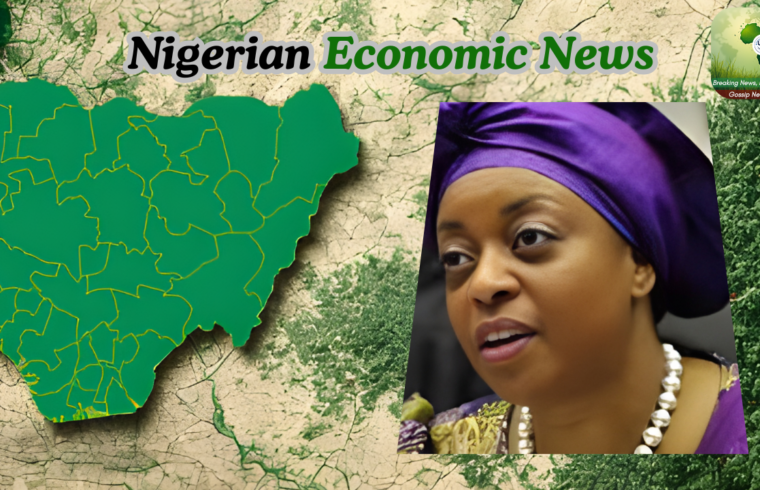
A high-profile legal battle involving former Nigerian Minister of Petroleum Resources Diezani Alison-Madueke has commenced in London, drawing international attention to allegations of corruption tied to Nigeria’s oil sector during her time in office.
Proceedings began at Southwark Crown Court, where British prosecutors outlined accusations that the former minister allegedly benefited financially from individuals seeking access to profitable oil and gas opportunities linked to Nigeria’s state energy institutions. The case marks one of the most closely watched corruption trials involving a former African cabinet official in recent years.
Prosecutors Present Allegations
According to the prosecution, the charges relate to events between 2011 and 2015, a period when Alison-Madueke supervised Nigeria’s petroleum industry under President Goodluck Jonathan’s administration. Lawyers representing the Crown argued that business figures pursuing energy contracts allegedly provided financial incentives and luxury benefits in exchange for favourable treatment.
During the opening submissions, prosecutors maintained that public office holders are prohibited from receiving advantages from companies conducting business with government agencies. They claimed that the accused accepted benefits from individuals connected to firms reportedly awarded oil-related contracts through the Nigerian National Petroleum Corporation and affiliated entities.
Claims of Lavish Benefits
Court documents presented a detailed picture of what prosecutors described as extensive personal advantages allegedly received during the period under investigation. The alleged benefits outlined in court include:
- Large cash payments reportedly amounting to £100,000.
- Use of chauffeur-driven vehicles and privately chartered flights.
- Renovation work and staffing expenses connected to London properties.
- Educational payments covering school fees for a family member.
- Designer purchases from luxury retailers alongside additional travel arrangements.
The prosecution argued that such privileges were inconsistent with ethical expectations placed on public officials.
International Legal History
Alison-Madueke, who once served as president of the Organisation of Petroleum Exporting Countries (OPEC), has faced scrutiny in several jurisdictions over the years. Nigerian authorities previously secured court orders freezing and seizing assets believed to be connected to alleged financial misconduct.
Officials from Nigeria’s Economic and Financial Crimes Commission have confirmed that separate legal matters involving the former minister remain active domestically, although details were not disclosed.
In the United Kingdom, she was arrested in 2015 and later granted bail. Formal criminal charges were filed years afterward when investigators from the UK National Crime Agency announced suspicions that she had misused official authority to obtain financial rewards tied to major contracts.
Other Defendants And Trial Timeline
The proceedings also involve two additional defendants identified as associates of the former minister. Prosecutors told the court that all individuals facing charges maintained British residential ties during the period when the alleged offences occurred.
The presiding judge indicated that the trial is expected to run for several weeks, with proceedings projected to conclude in late April, depending on witness testimony and legal arguments presented by both sides.
Alison-Madueke has consistently rejected all allegations, maintaining her innocence as the trial unfolds.
Commentary & Analysis
The London trial underscores the increasingly global nature of anti-corruption enforcement. Financial transactions linked to public office holders now often fall under scrutiny across multiple jurisdictions, especially when international banking systems or foreign assets are involved.
For Nigeria, the case carries symbolic weight. Allegations surrounding past management of the oil sector continue to shape public debate about transparency, governance, and accountability in resource-rich economies. The outcome could influence perceptions of international cooperation in combating financial crimes involving politically exposed persons.
Legal analysts also note that lengthy timelines between investigations and formal trials reflect the complexity of cross-border corruption cases, which require extensive evidence gathering across different legal systems.
Ultimately, the proceedings will test not only the prosecution’s ability to prove its claims but also broader efforts to strengthen accountability standards for officials who once wielded significant control over national resources.
© 2025 Gossip News Now , a division of CHIEJOS HARBIAN DIGITAL MEDIA LTD. Contact us via admin@gossipnewsnow.online