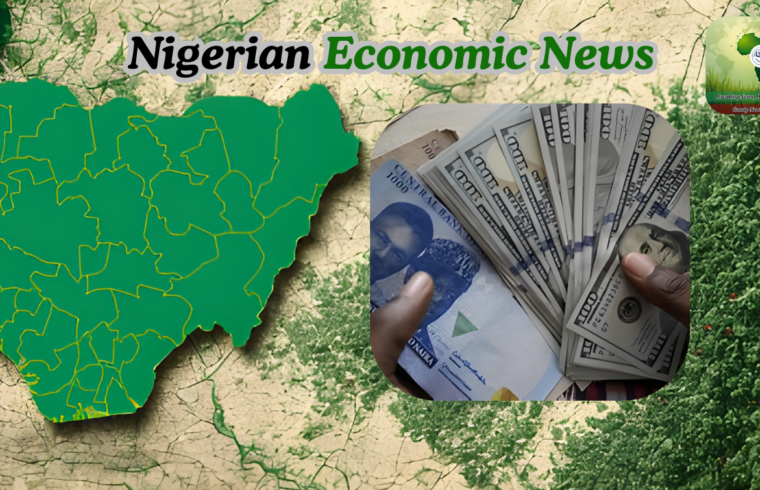
Nigeria’s foreign exchange market continues to reflect contrasting realities between official banking channels and the widely used parallel market, where many individuals and businesses source foreign currency due to accessibility challenges.
Recent market observations show that demand for the United States dollar remains strong, maintaining pressure on the naira despite regulatory efforts by monetary authorities to stabilise the currency.
Parallel Market Snapshot
Across major trading hubs, particularly in Lagos, Bureau De Change operators reported active trading with the dollar exchanging at higher levels than the official window. Traders indicated that customers seeking quick access to foreign currency relied heavily on the informal market.
Average transactions currently revolve around the following range:
- Dollar selling price: about ₦1,490
- Dollar buying price: approximately ₦1,480
These figures represent consensus estimates gathered from street-level dealers rather than fixed nationwide pricing, meaning rates may fluctuate slightly between locations and individual operators.
Central Bank Position On Forex Transactions
While the parallel market remains influential, the Central Bank of Nigeria continues to distance itself from unofficial trading platforms. The apex bank maintains that recognised foreign exchange activities should be conducted only through licensed banks and authorised financial institutions.
Officials repeatedly emphasise that the informal market operates outside regulatory oversight, urging businesses and citizens to use approved channels for transparency and financial stability.
Official Market Indicators
Data from the regulated foreign exchange window reveals a comparatively stronger naira value when transactions occur within the banking system. Recent official figures show the currency trading within a narrower band:
- Highest recorded official rate: around ₦1,415 per dollar
- Lowest observed rate: close to ₦1,400 per dollar
The gap between official and parallel rates highlights ongoing structural pressures in Nigeria’s currency market.
Why Rates Differ Across Markets
Several factors contribute to variations in exchange values:
- Availability of foreign currency supply in formal banking channels.
- Market speculation and demand from import-dependent businesses.
- Regional pricing differences among currency dealers.
- Immediate liquidity needs that push traders toward faster, informal exchanges.
Because of these dynamics, individuals may encounter slightly different prices from those published in daily market updates.
Commentary & Economic Analysis
The persistent spread between official and black-market rates remains one of the central challenges facing Nigeria’s monetary system. When access to foreign exchange through official channels becomes limited, economic actors naturally migrate toward alternative markets, reinforcing parallel trading activity.
Economists note that narrowing this gap requires sustained foreign currency inflows, improved investor confidence, and consistent monetary policy coordination. Without addressing underlying supply constraints, administrative directives alone may struggle to eliminate reliance on informal forex markets.
For households and small businesses, exchange-rate volatility continues to influence import costs, travel expenses, tuition payments abroad, and overall consumer pricing within the domestic economy.
As global economic conditions evolve, the naira’s stability will likely depend on reforms aimed at boosting exports, strengthening reserves, and encouraging diversified sources of foreign exchange earnings.
© 2025 Gossip News Now , a division of CHIEJOS HARBIAN DIGITAL MEDIA LTD. Contact us via admin@gossipnewsnow.online