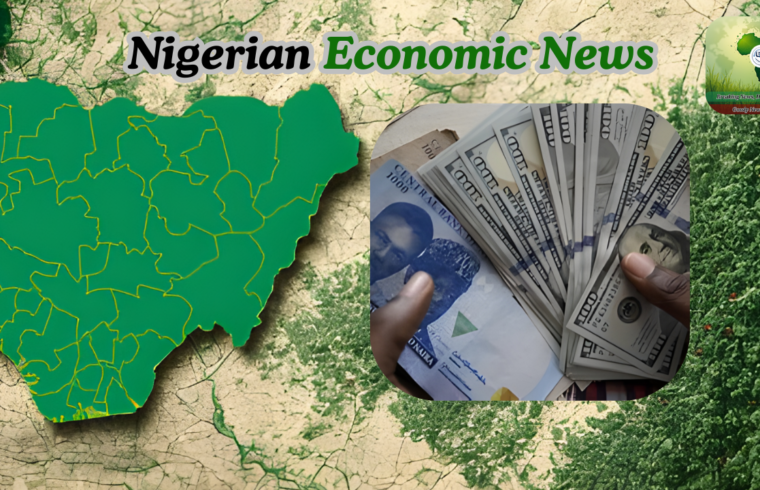
Foreign exchange activity in Nigeria continues to attract attention as businesses and individuals monitor the value of the U.S. dollar against the Nigerian naira. The exchange rate varies across the official banking system and the informal market commonly referred to as the parallel market.
As of late January 2026, traders across major cities—especially Lagos—have reported slightly different prices for buying and selling the dollar depending on market demand and transaction conditions.
Current Black Market Dollar to Naira Rate
Information gathered from Bureau De Change (BDC) operators indicates that the dollar is currently trading at higher levels in the parallel market.
In many Lagos trading points, the exchange values are approximately as follows:
| Transaction Category | Dollar to Naira Rate |
|---|---|
| Dollar Buying Price | ₦1,465 |
| Dollar Selling Price | ₦1,480 |
The buying rate represents the price dealers pay to acquire dollars from sellers, while the selling rate reflects the amount customers must pay to purchase the currency.
CBN Official Exchange Window
The Central Bank of Nigeria (CBN) also publishes daily indicative rates within the official foreign exchange market.
For the current period, the official range reported by the apex bank falls within the following band:
| Official Market Indicator | Exchange Value |
|---|---|
| Highest Recorded Rate | ₦1,400 |
| Lowest Recorded Rate | ₦1,367 |
These figures represent trading levels observed within the official market channels supervised by the central bank.
Understanding the Difference Between Markets
Nigeria operates with two commonly referenced foreign exchange environments:
- Official market: regulated through banks and licensed financial institutions.
- Parallel market: a network of informal currency traders where rates fluctuate according to demand and supply conditions.
Because the parallel market is driven largely by market forces, the value of the naira there often differs from the official rate published by the CBN.
Factors That Influence Exchange Rates
Several conditions can cause day-to-day variations in the dollar–naira exchange rate, including:
- Changes in foreign currency demand
- Availability of dollar liquidity
- Global economic trends affecting oil revenues
- Import and export payment pressures
- Local financial market policies
As a result, prices quoted in one location may differ slightly from those in another city or trading centre.
Advisory From the Central Bank
The Central Bank of Nigeria maintains that it does not formally recognise the parallel market as part of the official financial system.
Authorities continue to advise individuals and businesses to conduct foreign exchange transactions through licensed banks and authorised dealers to ensure compliance with regulatory guidelines.
Important Note for Currency Traders
It is also worth noting that the rates reported publicly often serve as reference points rather than guaranteed transaction prices.
In practical situations, the amount paid during an exchange may vary due to factors such as:
- Transaction volume
- Negotiation between buyer and seller
- Location of the Bureau De Change outlet
- Immediate demand in the market
Commentary and Analysis
The persistent gap between official and parallel market exchange rates remains a key topic within Nigeria’s financial landscape. Analysts often view this difference as a reflection of demand pressures in the foreign exchange market.
When demand for dollars exceeds the supply available through official channels, traders and businesses frequently turn to the parallel market, where prices adjust more quickly.
While government authorities continue to encourage transactions through regulated banking systems, the parallel market remains an active component of Nigeria’s currency ecosystem due to its accessibility and speed.
Observers will continue to monitor how policy decisions, foreign reserves, and global economic trends influence the movement of the naira in both markets over the coming months.
© 2025 Gossip News Now, a division of CHIEJOS HARBIAN DIGITAL MEDIA LTD. Contact us via admin@gossipnewsnow.online