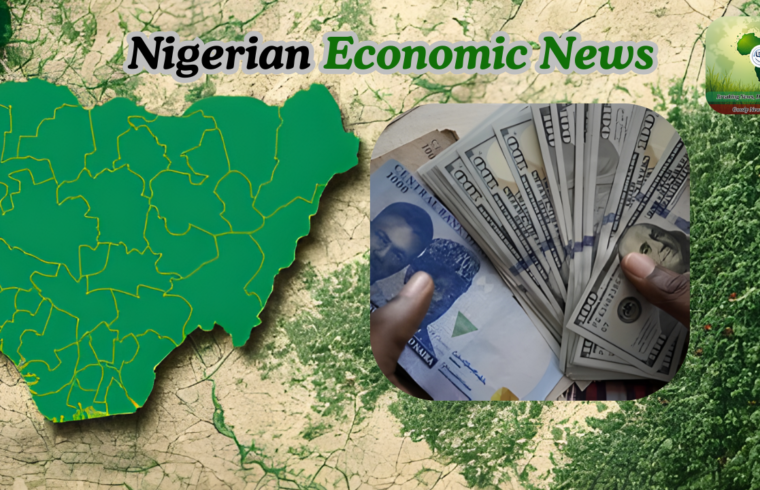
As economic observers continue to track Nigeria’s currency movements, attention remains focused on how the naira is performing against the United States dollar, particularly in the informal foreign exchange market often referred to as the black market or parallel market.
Across different cities in the country, many Nigerians rely on this unofficial market to obtain foreign currency, especially when access through banks proves difficult. Because of this, daily fluctuations in the exchange rate have become a subject of keen public interest.
Parallel Market Dollar Price
Information gathered from Bureau De Change operators in Lagos indicates that the dollar continued to trade at elevated levels in the parallel market toward the end of January.
Market dealers reported that the United States dollar exchanged for around ₦1,470 when sold to buyers, while traders were willing to purchase the currency at approximately ₦1,455.
These figures reflect the prevailing price range within informal trading circles where individuals negotiate directly with currency dealers.
To provide a clearer breakdown of the market situation, the exchange activity in the parallel market can be summarized as follows:
- Approximate selling value: ₦1,470 per US dollar
- Estimated buying price: ₦1,455 per US dollar
Because the parallel market operates independently from official financial institutions, rates can shift quickly depending on supply, demand, and the dealer involved.
Official Foreign Exchange Window
While the black market remains widely used, the Central Bank of Nigeria (CBN) does not recognize transactions conducted through that channel.
The apex bank has repeatedly advised Nigerians seeking foreign currency to utilize licensed commercial banks and official financial institutions rather than relying on informal dealers.
According to available figures from the official market window, the naira traded within a lower range compared with the parallel market.
Recent data shows that the official exchange rates fluctuated within the following band:
- Highest recorded rate: about ₦1,392 per dollar
- Lowest recorded rate: roughly ₦1,381 per dollar
This gap between official and informal exchange rates continues to highlight the ongoing differences between the regulated market and the parallel trading environment.
Why Rates May Differ
Foreign exchange values rarely remain static. Several factors can cause slight differences in the price of dollars across markets or locations.
Some of the most common reasons include:
- Regional demand and supply levels
- Dealer-specific pricing strategies
- Market speculation and short-term currency shortages
- Negotiation between buyers and sellers
Because of these variables, the exact price an individual receives when exchanging currency may vary slightly from publicly reported figures.
Commentary and Analysis
Nigeria’s persistent reliance on the parallel foreign exchange market reflects deeper structural issues in the country’s currency management system. When access to foreign currency through banks becomes limited or bureaucratic, individuals and businesses often turn to informal markets for quicker transactions.
This dynamic has created a dual exchange rate environment, where official prices differ significantly from what traders offer in the black market.
Such disparities can influence inflation, import costs, and the overall perception of the naira’s strength in international trade.
Economic analysts often argue that improving liquidity in the official foreign exchange window and stabilizing monetary policy could gradually reduce dependence on the parallel market.
Until then, daily updates on dollar–naira rates will likely remain a key indicator watched closely by businesses, importers, and ordinary Nigerians navigating the country’s evolving economic landscape.
© 2025 Gossip News Now, a division of CHIEJOS HARBIAN DIGITAL MEDIA LTD. Contact us via admin@gossipnewsnow.online