Governor Yusuf’s Defection Sparks Political Reactions in Kano
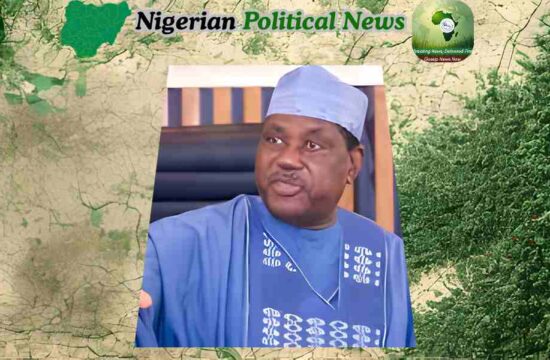
The recent decision by Governor Abba Kabir Yusuf to leave the New Nigeria Peoples Party (NNPP) for the All Progressives Congress (APC) continues to generate intense reactions across Kano’s political landscape.
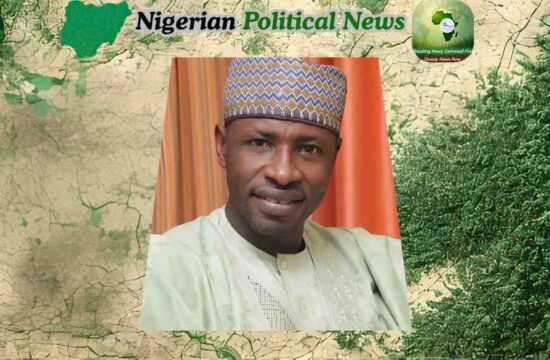
One of the latest voices to weigh in on the development is AbdulMajeed Dan Bilki Kwamanda, a prominent APC figure in Kano State, who described the governor’s departure as a major political setback for the NNPP and its leader, Senator Rabiu Musa Kwankwaso.
According to Kwamanda, the move triggered an unusual level of frustration from the former Kano governor, whom he believes viewed the defection as a significant act of disloyalty.
Kwamanda Speaks On Kwankwaso’s Influence
Despite the NNPP losing one of its most visible figures, Kwamanda argued that Kwankwaso remains a powerful political force capable of reshaping electoral outcomes in Kano.
He noted that the former presidential candidate still commands a loyal support base and possesses the political influence needed to challenge any party in future contests.
According to Gossip News Now, the APC chieftain suggested that voters in Kano often focus more on the quality of candidates and political strategy than on party platforms alone.
Potential Candidates Mentioned Ahead Of 2027
Looking toward the 2027 governorship race, Kwamanda identified Ahmad Garban Bichi as one of the personalities who could emerge as a formidable contender if supported by Kwankwaso.
He pointed to Bichi’s political pedigree, family reputation and influence within Kano politics as factors that could strengthen his electoral appeal.
The APC stalwart also mentioned Ibrahim Khalil, the former governorship candidate of the African Democratic Congress (ADC), as a potential running mate capable of attracting broad voter support across different demographic groups.
Defection Described As Personal Ambition
While discussing the circumstances surrounding Yusuf’s departure from the NNPP, Kwamanda argued that the decision appeared to be driven more by personal political calculations than by concerns about governance or the welfare of Kano residents.
He claimed the development left many within the Kwankwasiyya movement disappointed and intensified internal political tensions.
The APC chieftain went further to remark that he had never witnessed Rabiu Musa Kwankwaso display such a level of anger throughout his political career.
Concerns Over Nigeria’s Political Culture
Beyond the immediate controversy, Kwamanda expressed concern about what he described as a growing trend in Nigerian politics where individual ambitions increasingly take precedence over public service.
He lamented that political loyalty and ideological commitment often appear secondary to personal interests and strategic calculations.
In his view, the changing nature of political competition has contributed to a climate where defections and shifting alliances have become common features of the democratic process.
Political Analysis: What This Means For Kano Politics
The comments from AbdulMajeed Dan Bilki Kwamanda highlight the continuing significance of Rabiu Musa Kwankwaso in Kano politics despite recent defections and political realignments. While the APC may view Governor Abba Kabir Yusuf’s arrival as a major gain, observers believe the reaction of the Kwankwasiyya movement could shape the state’s political direction ahead of 2027.
The discussion also underscores a broader reality in Nigerian politics: party structures matter, but influential personalities often remain the decisive factor. If Kwankwaso succeeds in rallying supporters behind a credible candidate, the battle for Kano could become one of the most closely watched contests in the next election cycle.