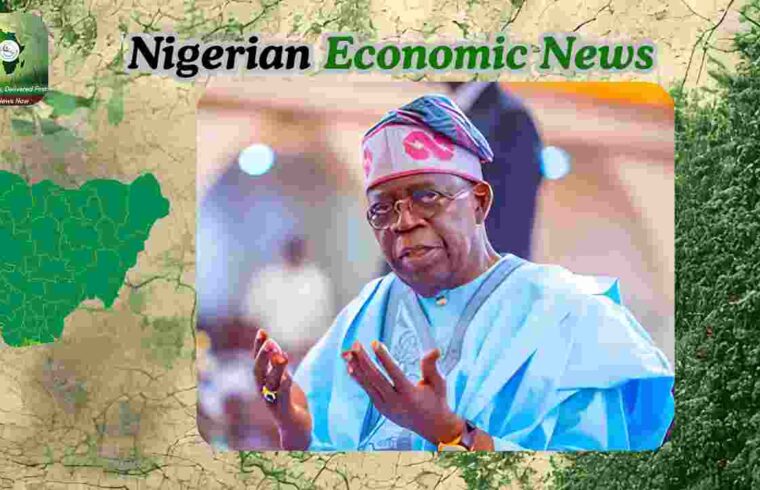
A major shift in Nigeria’s electricity financing framework is set to take effect after President Bola Tinubu directed state governments to begin sharing the burden of electricity subsidies alongside the Federal Government.
The proposed arrangement is expected to introduce a more structured funding model through the Power Assistance Consumers Fund (PCAF), an initiative designed to support vulnerable consumers while promoting long-term stability in the power sector.
New Approach Targets Sustainable Power Funding
Under the emerging framework, electricity support measures will move away from broad-based subsidies and focus more on targeted assistance for households that genuinely require relief.
Government officials believe the strategy will improve transparency, reduce hidden obligations, and create a system where subsidy payments are properly tracked and funded.
The policy also reflects ongoing efforts to reform Nigeria’s electricity market following the transfer of greater regulatory powers to state governments.
States With Independent Electricity Regulators Expected To Play Bigger Role
Several states across Nigeria have already established their own electricity regulatory agencies, giving them increased influence over power-sector decisions within their jurisdictions.
These states include Lagos, Ondo, Osun, Ekiti, Edo, Delta, Bayelsa, Akwa Ibom, Cross River, Abia, Anambra, Imo, Kogi, Niger, Nasarawa, Plateau, Gombe, and Jigawa.
With more states preparing to create similar regulatory structures, the Federal Government believes financial responsibility should increasingly reflect this expanded authority.
Budget Office Explains Federal Government Position
The announcement was presented by Tanimu Yakubu, Director-General of the Budget Office of the Federation, during discussions surrounding preparations for the 2026 budget cycle in Abuja.
According to government officials, electricity tariffs that remain below actual costs inevitably generate subsidy obligations. As a result, authorities argue that all levels of government benefiting from such policies should participate in funding them.
Rather than leaving the responsibility entirely with the Federal Government, the new model seeks a more balanced distribution of costs across the federation.
Subsidy Funding To Become More Transparent
Officials involved in the proposal insist that one of the primary goals is to eliminate uncertainty around subsidy obligations.
Future affordability programmes are expected to operate under clearly defined agreements that specify how costs will be shared and financed. The intention is to prevent the accumulation of unpaid obligations that could weaken the electricity market.
Gossip News Now reports that policymakers see transparency and accountability as essential requirements for achieving a more sustainable energy sector.
Fiscal Reforms Also Under Review
Alongside electricity subsidy changes, President Bola Tinubu has reportedly ordered a review of Nigeria’s Fiscal Responsibility Framework.
The objective is to strengthen fiscal discipline, improve budget implementation, and ensure government spending aligns with measurable outcomes.
Officials argue that stronger financial rules will help reduce waste, encourage responsible borrowing, and improve the delivery of public projects.
Governors And Regulators Examine Implications
The proposal has generated discussions among state governments and electricity regulators across the country.
The Nigerian Governors’ Forum is reportedly studying the directive, while regulatory agencies in states such as Lagos, Ekiti, Ondo, Edo, Niger, Imo, Anambra, Enugu, and Oyo have begun consultations on its possible impact.
Many stakeholders are particularly focused on how subsidy contributions would be calculated and implemented.
Experts Offer Mixed Reactions
Economic and energy experts have expressed differing opinions regarding the initiative.
Some analysts believe shared responsibility could accelerate power-sector reforms, encourage cost-reflective pricing, and improve service delivery. Others have questioned whether the Federal Government possesses the legal authority to require states to contribute financially without their consent.
There are also concerns about enforcement mechanisms and the need for accurate electricity consumption data to ensure fairness across states.
Analysis: A Turning Point For Nigeria’s Electricity Sector?
The proposed subsidy-sharing arrangement represents one of the most significant policy changes in Nigeria’s electricity market in recent years.
Supporters argue that involving states financially could encourage more responsible decision-making and reduce pressure on federal finances. Critics, however, caution that legal, political, and administrative challenges could emerge if implementation details are not carefully addressed.
Regardless of the differing viewpoints, the directive signals a clear move toward a system where both federal and state governments are expected to jointly contribute to maintaining electricity affordability and sector stability. The success of the initiative will likely depend on transparency, cooperation, and effective execution in the years ahead.
© 2025 Gossip News Now, a division of CHIEJOS HARBIAN DIGITAL MEDIA LTD. Contact us via admin@gossipnewsnow.online