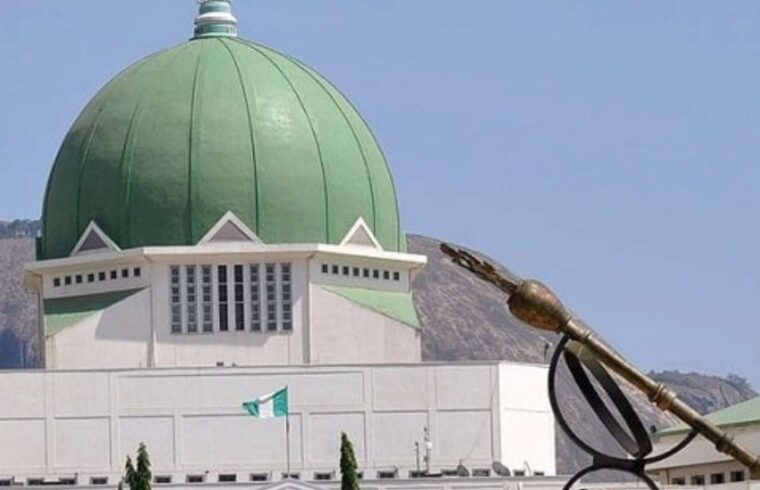
A controversial legislative move to adjust Nigeria’s electoral timetable has sparked intense reactions from opposition groups and political observers. The proposal, currently under consideration by the National Assembly, seeks to bring forward the 2027 general elections, a decision many critics argue could reshape the political landscape in unexpected ways.
Plan to Move Elections Months Earlier
As explained by various economic news portals today , the center of the debate is a suggested amendment to the Electoral Act 2022, which would see presidential and governorship elections held in November 2026 instead of the usual early-year schedule.
Lawmakers backing the proposal argue that shifting the timeline forward would allow all election-related disputes to be fully resolved before the next administration is sworn in on May 29, 2027.
Legal Framework Behind the Proposal
The draft amendment outlines a clear timeline for conducting elections well ahead of the end of current tenures. In essence, it proposes that major elections be concluded roughly six months before the expiration of officeholders’ mandates.
In a restructured explanation of the legal provision, the amendment suggests that both presidential and gubernatorial polls must occur within a defined period before the end of tenure, ensuring sufficient time for judicial processes.
Lawmakers Defend the Adjustment
During a public hearing led by Adebayo Balogun, the House Committee on Electoral Matters explained the rationale behind the move. The committee maintained that early elections would reduce post-election uncertainty by allowing courts to conclude cases before new leaders assume office.
Additionally, the proposal includes a revision of legal timelines, aiming to shorten tribunal proceedings while ensuring appeals are completed within a fixed duration.
Opposition Voices Raise Concerns
The plan has, however, faced strong resistance from opposition figures who question both its timing and intent. Critics argue that altering the electoral calendar at this stage could create an uneven playing field.
Timothy Osadolor of the Peoples Democratic Party (PDP) openly challenged the proposal, suggesting it may serve political interests rather than national priorities. His position, rephrased, implies that Nigerians are more concerned with electoral transparency than adjustments to timelines.
Fears of Advantage for Incumbents
Echoing similar concerns, Ladipo Johnson of the NNPP warned that an earlier election could favor those already in power. According to his argument, incumbents would have more time and resources to prepare, while opposition parties might struggle to adjust.
This concern has become a central point in the growing criticism surrounding the proposal.
Call for Broader Public Engagement
From another perspective, Yunusa Tanko, a leading figure in the Obidient Movement, emphasized the need for inclusivity in decision-making. He urged lawmakers to seek wider public consultation before implementing changes that could significantly impact Nigeria’s democratic process.
Gossip News Now reports that this demand reflects a broader call for transparency and citizen participation in electoral reforms.
Analysis: Reform or Political Strategy?
The debate over shifting the election timeline highlights a deeper tension between institutional reform and political trust. While the idea of resolving election disputes before inauguration has merit, skepticism remains over whether the proposal is purely administrative or strategically motivated.
For Nigeria’s democracy, the challenge lies in balancing efficiency with fairness. Any reform that affects electoral timing must not only improve processes but also maintain confidence among all stakeholders.
As discussions continue, the final decision will likely shape not just the 2027 elections but the broader perception of electoral integrity in the country.
© 2025 Gossip News Now, a division of CHIEJOS HARBIAN DIGITAL MEDIA LTD. Contact us via admin@gossipnewsnow.online