
Efforts to stabilise the Labour Party Nigeria have intensified after a court decision reshaped the party’s leadership structure, prompting renewed appeals for reconciliation among rival factions.
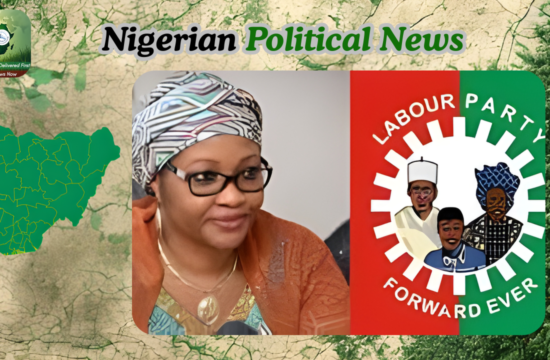
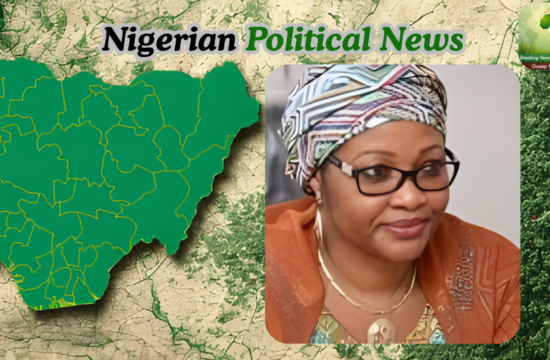
According to Ken Asogwa, media aide to the party’s National Chairman, Nenadi Usman, the immediate reaction from the leadership after the judgment was not celebration but a push for peace and internal healing.
Court Verdict Redefines Party Leadership
The ruling delivered by Justice Justice Lifu declared the caretaker leadership headed by Usman as the legitimate authority of the party while nullifying the leadership claim previously associated with Julius Abure.
In addition, the court directed the Independent National Electoral Commission (INEC) to formally recognise the caretaker committee as the lawful leadership structure moving forward.
Legal analysts note that such judicial interventions often aim to restore administrative clarity within political organisations facing prolonged internal disputes.
Immediate Appeal for Reconciliation
Speaking during an interview on Prime Time aired by Arise Television, Asogwa explained that Usman adopted a conciliatory tone immediately after the verdict.
Rather than framing the outcome as a political triumph, the party leader reportedly described the situation as one in which no faction should claim outright victory. She encouraged members across divides to abandon rivalry and focus on rebuilding trust within the party.
The leadership, he said, believes unity must take precedence over personal or factional interests if the party hopes to remain competitive nationally.
Plan to Heal Party Divisions
As part of post-judgment actions, the caretaker committee has begun preparations to establish a reconciliation mechanism designed to engage aggrieved members and restore cohesion.
Key objectives expected from the reconciliation process include:
- Opening dialogue channels among opposing blocs
- Addressing grievances that triggered leadership conflicts
- Strengthening internal democratic structures
- Building a united platform ahead of future elections
Asogwa stressed that political fragmentation weakens electoral prospects, warning that division could undermine preparations for the 2027 general elections.
Electoral Stakes Behind the Peace Effort
Party insiders believe the leadership dispute had begun affecting organisational stability and public confidence. The new leadership’s strategy appears focused on consolidating authority while preventing further internal crises that could distract from policy positioning and grassroots mobilisation.
Observers suggest that reconciliation may also influence how voters perceive the party’s readiness to govern or compete effectively on the national stage.
Commentary & Analysis: Unity as a Survival Strategy
The Labour Party’s post-verdict approach reflects a broader reality in Nigerian politics: court victories alone rarely resolve party crises. Sustainable stability often depends on political negotiation, inclusion, and compromise among competing interests.
By emphasising a “no victor, no vanquished” outlook, the caretaker leadership signals awareness that legal recognition must be matched with emotional and political reconciliation. Without genuine unity, electoral momentum built in previous cycles could erode quickly.
The coming months will likely test whether dialogue efforts can successfully reintegrate dissenting members or whether fresh disputes may emerge. Ultimately, the party’s ability to transition from litigation to organisation-building may determine its strength heading into future elections.
© 2025 Gossip News Now , a division of CHIEJOS HARBIAN DIGITAL MEDIA LTD. Contact us via admin@gossipnewsnow.online