
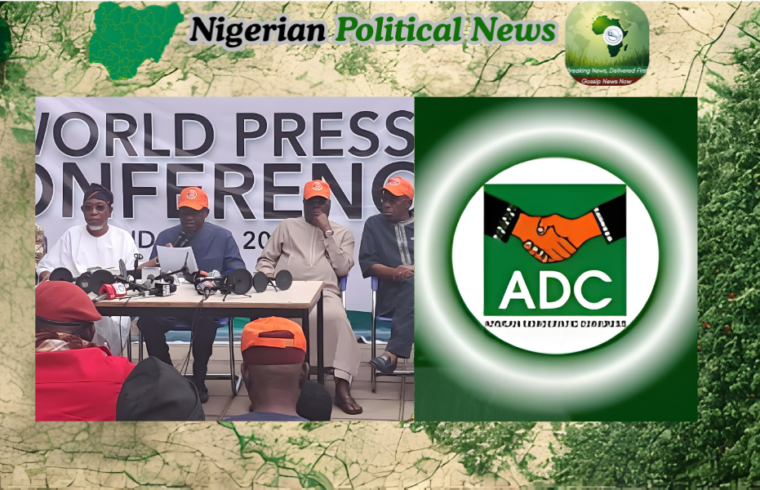
Fresh uncertainty is surrounding the African Democratic Congress (ADC) as internal disagreements over leadership continue to escalate, raising concerns about the party’s stability ahead of the 2027 general elections. Emerging developments suggest that some influential members are already considering alternative political pathways.
According to insiders familiar with the situation, quiet engagements have begun between certain ADC stakeholders and the Nigeria Democratic Congress (NDC). These interactions are reportedly being explored as a precautionary move should the ongoing leadership conflict remain unresolved.
At the centre of the turmoil is Nafiu Bala Gombe, a former Deputy National Chairman who is currently seeking legal recognition as the party’s substantive leader. His claim has been strongly opposed by the existing leadership structure, creating a prolonged dispute that has now spilled into the courts.
The controversy is further complicated by past developments within the party. Records indicate that Gombe had earlier stepped down from his role in 2025, a move said to have been intended to ease internal restructuring efforts. However, he later challenged the authenticity of that resignation, alleging that it was not legitimately issued.
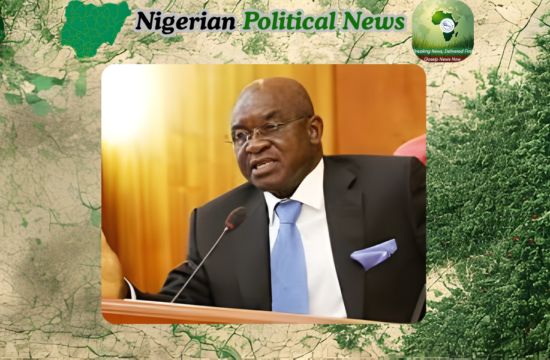
Meanwhile, a major leadership reshuffle had already taken place during a National Executive Committee meeting held in Abuja, where David Mark was endorsed as National Chairman and Rauf Aregbesola assumed the role of National Secretary. The electoral body, Independent National Electoral Commission (INEC), initially acknowledged this arrangement before later revisiting its position following a legal directive tied to the dispute.
Gossip News Now recalls that the shifting stance of INEC has added another layer of complexity, with observers questioning the implications of suspending a previously recognized leadership structure. The commission has since clarified that internal party matters often fall outside judicial reach, even as legal proceedings continue.
Amid this uncertainty, discussions with the NDC appear to be gaining traction. Though not publicly confirmed, sources suggest the talks have progressed significantly, reflecting growing unease within the ADC’s ranks.
A voice within the unfolding situation hinted at the mood among party members, suggesting that while loyalty remains, patience is thinning as the crisis drags on. This sentiment underscores the fragile balance between commitment to the party and the need for political survival.
On the NDC side, its National Leader, Seriake Dickson, has positioned the party as a welcoming platform for politicians seeking stability. He emphasized that the party remains open to individuals looking for a more secure political environment amid ongoing disruptions elsewhere.
Dickson also raised broader concerns about Nigeria’s democratic health, cautioning against any trend that could weaken opposition voices. He stressed that a vibrant multi-party system is essential for maintaining balance and accountability within the political landscape.
However, the ruling All Progressives Congress (APC) has firmly denied allegations linking it to the crisis within opposition parties. Key figures, including Felix Morka and Ajibola Basiru, have described the ADC’s challenges as self-inflicted, attributing them to internal disagreements rather than external interference.
Similarly, presidential spokesperson Sunday Dare dismissed claims of political manipulation, maintaining that the current administration remains focused on governance while the democratic space continues to allow free political participation.
Despite these denials, voices within the ADC, including Bolaji Abdullahi, argue that persistent instability among opposition parties could have long-term consequences for Nigeria’s democracy if not addressed.
Commentary & Analysis
The unfolding situation within the ADC reflects a familiar pattern in Nigerian politics, where leadership disputes often trigger wider realignments. What makes this case particularly significant is its timing—coming just as preparations for the 2027 elections begin to gather momentum.
The quiet engagement with the NDC signals more than just contingency planning; it highlights a deeper concern about political relevance and survival. For many politicians, remaining in a fractured structure could pose greater risks than seeking new alliances.
At the same time, the controversy surrounding leadership legitimacy and institutional responses raises important questions about internal party governance and the role of regulatory bodies. If unresolved, such disputes could weaken not just individual parties but the broader opposition framework.
As the situation evolves, the decisions made in the coming months may reshape alliances, redefine party strengths, and ultimately influence the trajectory of Nigeria’s next electoral cycle.
© 2025 Gossip News Now, a division of CHIEJOS HARBIAN DIGITAL MEDIA LTD. Contact us via admin@gossipnewsnow.online