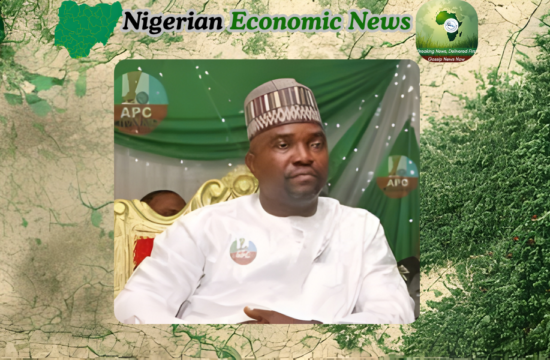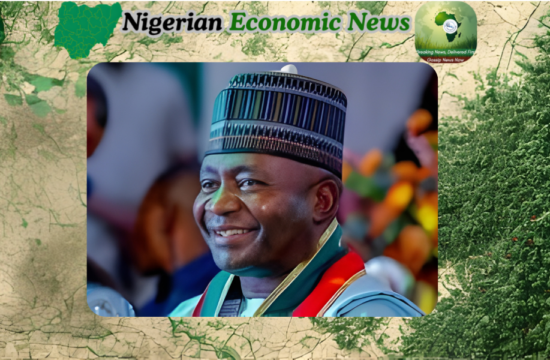

Fresh controversy has emerged within Nigeria’s political space as former chairman of the African Democratic Congress (ADC), Ralph Nwosu, openly questioned recent actions taken by the Independent National Electoral Commission. His remarks have added another layer to the ongoing leadership dispute rocking the party.
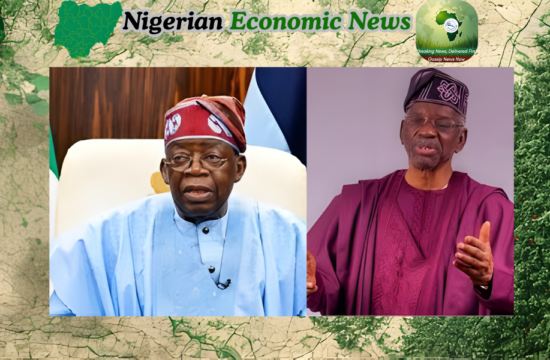
During a televised interview, Nwosu expressed strong reservations about the decision to withdraw recognition from certain ADC leadership figures. He argued that the move was not purely administrative but influenced by political considerations tied to the current administration under Bola Tinubu.
He also extended his criticism to the judiciary, suggesting that both electoral and legal interpretations surrounding the issue lacked independence. In a reframed version of his argument, Nwosu implied that recent rulings and regulatory actions appear to align with the interests of the ruling party, raising concerns about neutrality in democratic institutions.
Allegations of Political Influence
Nwosu’s position can be summarized through key claims he raised:
- Electoral decisions affecting the ADC were not impartial
- Judicial outcomes may have been shaped by political pressure
- Certain individuals within the system are allegedly aligned with the ruling party
He further hinted that some legal actors connected to the matter have affiliations that could compromise fairness, deepening his concerns about institutional independence.
Broader Political Context
Expanding on his argument, Nwosu traced the issue back several years, linking it to what he described as a pattern of political dominance. According to his perspective, strategies previously observed in Lagos politics have gradually extended to the national stage.
He suggested that efforts to weaken opposition parties have intensified over time, particularly after the transition of power at the federal level. In his view, this trend reflects a broader attempt to consolidate influence across multiple political structures.
ADC’s Position as Opposition Platform
Despite the ongoing turmoil, Nwosu maintained that the ADC remains committed to its role as a platform for alternative political voices. He emphasized that the struggle goes beyond individual interests, portraying the party as a vehicle for broader democratic resistance.
Reframing his stance, he conveyed that the current conflict represents a larger battle over the future of political pluralism in Nigeria, rather than a simple leadership disagreement within the party.
Protest and Political Mobilisation
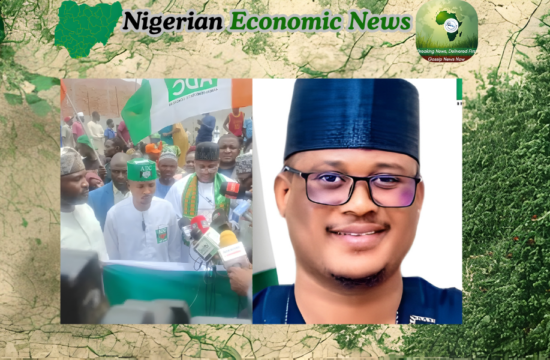
The controversy follows a recent demonstration tagged #OccupyINEC, where several high-profile political figures gathered in Abuja to express dissatisfaction with developments surrounding the ADC. Among those involved were Peter Obi, Atiku Abubakar, Rabiu Musa Kwankwaso, David Mark, Rauf Aregbesola, and Rotimi Amaechi.
Their involvement signals the growing significance of the dispute, as it begins to attract attention from major players across Nigeria’s political spectrum.
Commentary and Analysis
According to Gossip News Now, the unfolding situation highlights deeper tensions within Nigeria’s democratic framework, particularly regarding the perceived independence of electoral and judicial institutions.
While allegations of political interference remain unproven, such claims can influence public perception and trust. The ability of institutions like the Independent National Electoral Commission to maintain credibility will be crucial in managing the fallout from this dispute.
Ultimately, the resolution of the ADC crisis may have far-reaching implications—not only for the party itself but also for the broader political environment as Nigeria moves closer to future electoral cycles.
© 2025 Gossip News Now, a division of CHIEJOS HARBIAN DIGITAL MEDIA LTD. Contact us via admin@gossipnewsnow.online