
Political tensions within Nigeria’s opposition space have drawn sharp criticism from the All Progressives Congress in Lagos State, following an emerging disagreement involving the African Democratic Congress and former presidential contender Peter Obi.
Officials of the ruling party’s Lagos chapter argue that the dispute reflects deeper instability within the opposition camp. The APC claims the public exchange between the ADC and Obi over potential coalition arrangements shows that opposition groups are struggling to form a united political front.
The controversy reportedly began after the ADC requested that Obi clearly state whether he intends to align with a coalition being discussed ahead of the next general elections. The request has fueled speculation about ongoing negotiations among opposition figures seeking a stronger alliance.
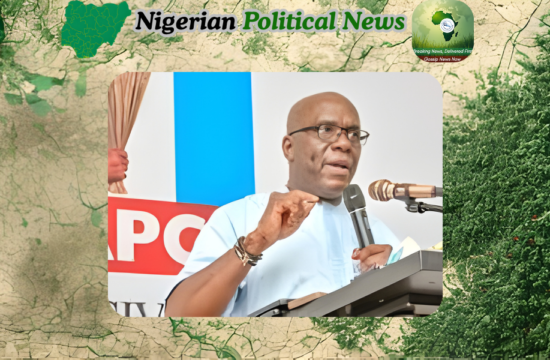
Reacting to the development, Lagos APC spokesperson Seye Oladejo suggested the disagreement demonstrates the lack of coordination among opposition parties. He described the public confrontation as evidence that attempts to build a coalition are faltering before they even take shape.
According to Oladejo, the growing tensions should not distract the federal government from its current priorities. He maintained that political theatrics from rival parties should not interfere with national governance or the administration’s agenda.
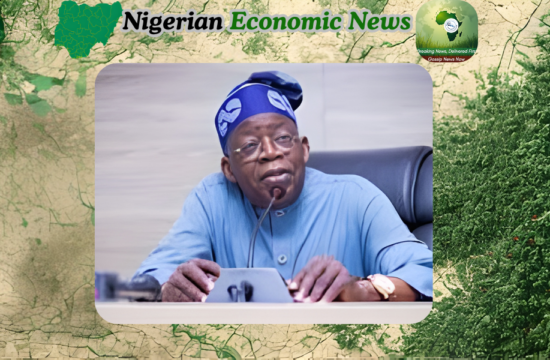
While criticizing the opposition, the APC spokesman emphasized that the ruling party remains focused on policy implementation under the leadership of Bola Ahmed Tinubu. He highlighted areas such as economic recovery, security improvement, and infrastructure development as the government’s current priorities.
He also suggested that the administration’s record in key sectors would ultimately determine voter support in the next election cycle. Rather than focusing on early campaign politics, the party believes its governance track record will serve as the most compelling argument when the time for elections arrives.
Criticism of Obi’s Political Strategy
In his remarks, Oladejo also questioned Obi’s approach to political alliances. He argued that the former presidential candidate appears to wait for opportunities within struggling parties rather than building a long-term political structure.
Using a metaphor to describe his view, the APC official suggested that Obi often positions himself strategically and waits for political openings, rather than contesting through structured party organization. He implied that such an approach resembles a gamble rather than a carefully built political movement.
Commentary and Analysis
The exchange between the ADC and Peter Obi underscores the challenges opposition groups face in building a unified platform capable of challenging Nigeria’s ruling party. Coalition politics, while potentially powerful, often requires delicate negotiations and clear leadership structures.
Political analysts note that disagreements over leadership roles, presidential tickets, and party control frequently complicate alliance-building among opposition parties. These internal struggles sometimes weaken the broader goal of presenting a cohesive alternative to voters.
At the same time, observers argue that public disputes—whether within the ruling party or the opposition—are common features of democratic politics. What ultimately matters is whether political actors can resolve their differences and articulate clear policy alternatives to the electorate.
As Nigeria moves closer to the 2027 election cycle, the evolving relationships among major political players will likely shape the country’s political landscape and determine how competitive the race becomes.
© 2025 Gossip News Now, a division of CHIEJOS HARBIAN DIGITAL MEDIA LTD. Contact us via admin@gossipnewsnow.online