
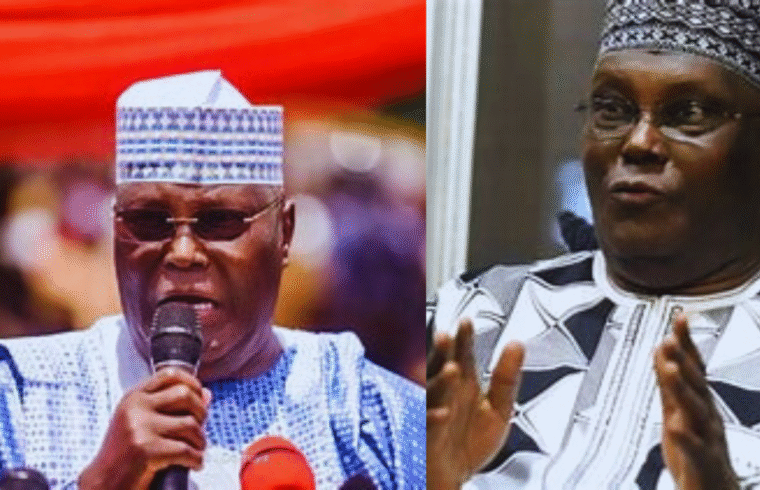
Former Vice President Atiku Abubakar has shed light on why he has not played a direct role in resolving the ongoing challenges within the Peoples Democratic Party (PDP), offering insights into internal dynamics and political interference.
Why Intervention Didn’t Happen
In a recent media interaction, Atiku explained that his ability to act was limited due to his position outside the party’s core leadership structure. He suggested that meaningful reforms would have been possible if he held a strategic role such as chairman or secretary.
His position, when reframed, indicates that authority within party leadership is crucial for implementing decisive changes, especially during periods of internal disagreement.
Internal Interests and Political Tensions
The former presidential candidate also pointed to what he described as conflicting personal interests among current leaders of the PDP. According to him, these competing priorities have hindered efforts to rebuild unity and strengthen the opposition.
A reorganized view of his concerns includes:
- Leadership positions not aligned with collective party goals
- Internal disagreements slowing decision-making processes
- Influence from external political forces affecting party cohesion
Allegations Against the APC
Atiku Abubakar further accused the ruling All Progressives Congress (APC) of playing a role in weakening the opposition. He suggested that certain actions and statements from within the PDP reflect broader attempts to destabilize the party.
This perspective highlights the ongoing rivalry between Nigeria’s major political platforms and the strategic battles shaping the political landscape.
Emergence of the ADC as an Alternative
Amid these challenges, Atiku referenced the formation of the African Democratic Congress (ADC) as part of efforts to create a viable alternative. He noted that the party has already established a national framework and is now expanding its presence at grassroots levels.
This move signals a shift toward broader coalition-building ahead of future elections.
Reflections on Governance and Policy Decisions
Turning attention to national issues, Atiku Abubakar expressed concern about Nigeria’s current economic direction. He criticized recent policy decisions, particularly the removal of fuel subsidy, arguing that a more gradual and consultative approach would have reduced hardship.
In essence, his argument suggests that policy transitions should involve phased implementation and engagement with key stakeholders to avoid economic shock.
Analysis: Political Strategy Ahead of 2027
Gossip News Now reports that Atiku’s remarks reflect both a critique of current leadership and a strategic positioning ahead of the next election cycle. His emphasis on party structure, unity, and alternative platforms indicates a broader effort to reshape opposition politics.
While his claims highlight challenges within the PDP, they also underscore the importance of leadership cohesion in determining electoral success. As 2027 approaches, the ability of opposition figures to align interests and build credible alternatives will likely play a decisive role in Nigeria’s political future.
© 2025 Gossip News Now, a division of CHIEJOS HARBIAN DIGITAL MEDIA LTD. Contact us via admin@gossipnewsnow.online