

Internal divisions have surfaced within political structures linked to former Vice President Atiku Abubakar, following the decision of his son, Abba Atiku Abubakar, to join the All Progressives Congress (APC). A prominent support group associated with the former presidential candidate has now publicly rejected the move and announced disciplinary action against him.
The organisation confirmed that Abba Atiku has been removed from its membership after urging members of his political network to abandon their existing platform and align with the ruling party. Leaders of the group insisted that no individual possesses unilateral authority to redirect its political stance.
According to a statement issued in Abuja by the group’s convener, Mai Nagge Bakari, the organisation remains independent in decision-making and will not adopt positions inconsistent with its collective resolutions. The leadership stressed that instructions allegedly issued by Abba encouraging a switch to the APC were neither authorised nor binding.
Bakari clarified that Abba was not among the founders of the organisation and held no executive position capable of determining its strategic direction. He explained that the group’s structure, registration, and operational funding were established independently of the politician now at the centre of the controversy.
The statement further noted that Abba neither financed the organisation nor played a role in its legal formation, arguing that these factors reinforced the group’s decision to reject any claim of authority over its affairs. On that basis, members concluded that expulsion was necessary to protect organisational identity and coherence.
Disagreement Over Political Direction
The dispute intensified after Abba publicly announced his defection to the APC and called on supporters to follow him in backing President Bola Ahmed Tinubu’s Renewed Hope Agenda. The support group described this appeal as incompatible with its agreed political roadmap.
Rather than shifting toward the ruling party, the organisation reiterated its earlier decision to align with the African Democratic Congress (ADC), maintaining that its long-term objectives remain tied to opposition coalition efforts.
Reframing its position, the group outlined several reasons for distancing itself from Abba’s decision:
- Collective decisions override individual preferences.
- The organisation’s political alignment had already been settled through internal consensus.
- Leadership authority rests with founding members and recognised executives.
- Strategic loyalty remains anchored to Atiku Abubakar’s broader political vision.
Members also rejected suggestions that the organisation should be renamed in honour of President Tinubu, describing such proposals as contrary to its founding principles.
Continued Loyalty to Atiku Abubakar
Despite the internal disagreement, the group reaffirmed unwavering support for Atiku Abubakar himself, emphasizing that its political mission remains connected to his leadership and ideological direction. Officials warned Abba against presenting himself publicly as a representative or spokesperson of the organisation going forward.
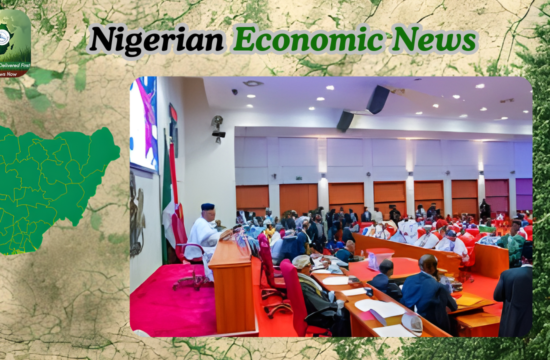
The controversy unfolded shortly after Abba Atiku’s formal reception into the APC at the National Assembly complex in Abuja, where senior party figures welcomed him and he declared support for the current administration.
Commentary & Analysis
The episode illustrates how political defections can trigger ripple effects beyond individual careers, particularly when support structures and grassroots networks are involved. In Nigerian politics, loyalty often extends to movements and organisations rather than personalities alone, making unilateral decisions politically sensitive.
The group’s swift reaction suggests a deliberate attempt to preserve organisational autonomy while signalling continued commitment to opposition realignment ahead of future elections. It also reflects the increasingly fragmented nature of political alliances, where even closely connected figures may pursue divergent strategies.
For Abba Atiku, the defection represents a personal political repositioning, but the rejection from his former support network highlights the risks associated with shifting platforms without collective backing. For opposition movements, maintaining unity among allied organisations may prove as important as forming national coalitions.
Ultimately, the situation underscores a recurring dynamic in Nigeria’s political landscape: alliances are fluid, but legitimacy often depends on consensus within political bases rather than individual declarations alone.
© 2025 Gossip News Now, a division of CHIEJOS HARBIAN DIGITAL MEDIA LTD. Contact us via admin@gossipnewsnow.online