
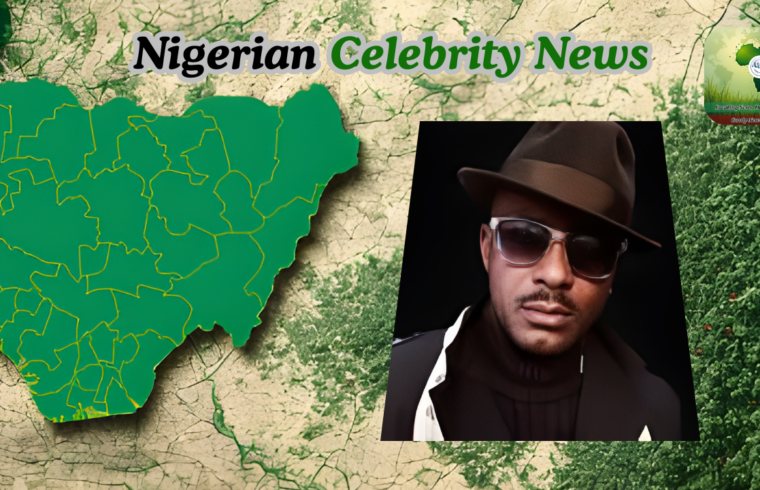
Nigerian entertainer and filmmaker Dare Fasasi, widely recognized as Baba Dee, has criticized what he describes as serious mismanagement within public transportation services, citing a troubling experience he recently had while using the Lagos train system.
The artist shared his concerns through a post on Instagram, where he narrated the circumstances that led him to take the train instead of driving. According to him, the notorious traffic congestion across Lagos forced him to leave his car behind and opt for rail transportation as an alternative.
A Surprising Situation at the Train Station
Upon arriving at the station, Baba Dee said he was shocked to discover that Cowrie cards—required for access to several transportation services in Lagos—were unavailable. The shortage reportedly occurred during December, a period widely known for increased travel and heavy commuter traffic.
The singer questioned how such an essential item could be unavailable at a time when demand for public transportation is typically at its peak.
Allegations of Unofficial Payment Practices
Beyond the shortage of Cowrie cards, Baba Dee claimed he observed another troubling practice. According to him, some attendants at the station were allegedly collecting direct bank transfers into personal accounts in order to allow passengers access to the train.
He described the situation as deeply concerning, arguing that commuters were left with little choice but to comply with the unofficial payment arrangement if they wanted to continue their journeys.
Warning About the Impact on Public Transport
The entertainer warned that practices like these could eventually discourage people from using the train system. If commuters lose trust in how services are managed, he suggested that even well-designed infrastructure projects may struggle to attract regular patronage.
He emphasized that public facilities are meant to serve citizens and should not be turned into opportunities for personal financial gain.
Corruption as a National Challenge
Baba Dee expanded his criticism beyond the train station incident, pointing to corruption as one of the biggest barriers to Nigeria’s development. In his view, misuse of authority at different levels of public service continues to slow progress across multiple sectors.
He argued that when individuals treat public positions as avenues for personal profit, the result is weakened institutions and reduced confidence among citizens.
Call for Accountability
The singer urged authorities responsible for managing transportation systems to take stronger action against misconduct. According to him, restoring discipline and transparency within public institutions is necessary if services such as the Lagos rail network are to function effectively.
He also stressed that accountability mechanisms must be enforced so that infrastructure projects can truly benefit the people they were designed to serve.
Commentary and Analysis
Baba Dee’s criticism reflects a wider frustration shared by many commuters who rely on public transportation in large cities like Lagos. With population growth and rising mobility demands, rail systems are increasingly seen as essential solutions to the city’s notorious traffic congestion.
However, infrastructure alone cannot solve transportation challenges if operational practices undermine public confidence. When passengers encounter irregular payment systems, shortages of essential access cards, or poorly managed stations, the reliability of the entire system is called into question.
Public transport networks thrive on efficiency, transparency, and trust. Without those elements, even modern rail projects risk losing the support of the very commuters they are meant to serve.
The concerns raised by Baba Dee therefore highlight a broader issue—ensuring that governance and accountability keep pace with Nigeria’s ongoing investments in urban infrastructure.
© 2025 Gossip News Now , a division of CHIEJOS HARBIAN DIGITAL MEDIA LTD. Contact us via admin@gossipnewsnow.online ,