
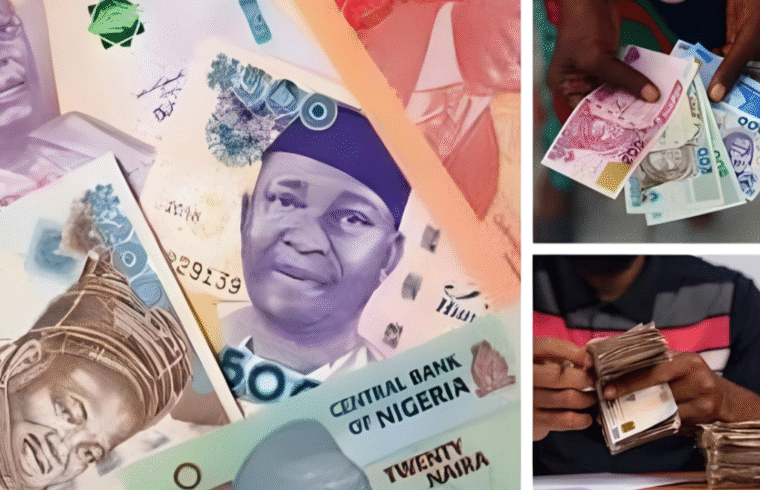
The value of the naira against the U.S. dollar continues to attract attention, especially within Nigeria’s parallel market, where daily fluctuations influence trade and personal transactions.
For those monitoring currency movements, the latest figures provide insight into how the naira is currently performing outside official channels.
Current Black Market (Aboki FX) Rates
According to Gossip News Now, data sourced from Bureau De Change operators indicates that the dollar is trading within a specific range in the parallel market.
At present, the exchange reflects two key price points:
- Selling value stands around ₦1505 per dollar
- Buying value is approximately ₦1485 per dollar
In practical terms, individuals exchanging dollars for naira receive the higher rate when selling, while those purchasing dollars pay closer to the lower figure.
Official Market Comparison
In contrast, the official rates provided by the Central Bank of Nigeria (CBN) remain slightly lower. The figures fluctuate within a narrower band, with values recorded between approximately ₦1471 and ₦1487 per dollar.
This gap between official and parallel market rates continues to highlight differences in supply, demand, and accessibility within Nigeria’s foreign exchange system.
CBN Position on Parallel Market Trading
The Central Bank of Nigeria (CBN) has consistently maintained its stance against the black market, emphasizing that foreign exchange transactions should be conducted through authorized financial institutions.
A regulatory position often highlighted suggests that individuals seeking forex are expected to utilize banks and approved channels rather than informal markets.
Why Rates May Differ Across Locations
It is important to understand that exchange rates in the parallel market are not fixed and can vary depending on several factors, including:
- Geographic location of the transaction
- Volume of currency being exchanged
- Individual dealer pricing strategies
As a result, actual rates offered to buyers and sellers may differ slightly from widely reported figures.
Commentary & Analysis
The continued reliance on the black market reflects ongoing challenges within Nigeria’s forex ecosystem. Limited access to official channels and high demand for foreign currency often drive individuals and businesses toward alternative markets.
While the parallel market offers flexibility, it also introduces volatility and regulatory concerns. Bridging the gap between official and unofficial rates remains a key issue for policymakers aiming to stabilize the naira and improve confidence in the financial system.
For now, both markets coexist, each serving different needs within the economy, while traders and consumers closely watch daily movements for opportunities and risks.
© 2025 Gossip News Now , a division of CHIEJOS HARBIAN DIGITAL MEDIA LTD. Contact us via admin@gossipnewsnow.online ,