
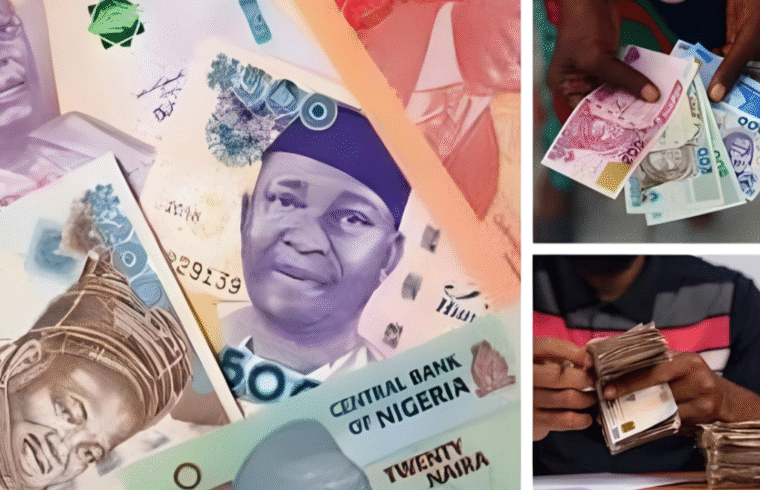
The exchange rate between the United States Dollar and the Nigerian Naira continues to attract widespread attention, particularly within the parallel market where many individuals and businesses source foreign currency. Daily fluctuations in this segment reflect broader economic pressures, demand trends, and limited access to official forex channels.
Latest Parallel Market (Aboki FX) Rates
As of the most recent updates gathered from Bureau De Change operators in Lagos, the Dollar to Naira exchange rate in the black market shows a slight variation compared to previous sessions. Traders report that:
- The buying rate currently stands around ₦1455 per dollar
- The selling rate is approximately ₦1470 per dollar
These figures highlight the ongoing volatility in the informal forex market, where rates are largely influenced by demand and supply dynamics rather than regulatory controls.
Official CBN Exchange Rate Overview
In contrast to the parallel market, the Central Bank of Nigeria (CBN) continues to operate a regulated foreign exchange system. The apex bank maintains that individuals and businesses should access forex through authorized financial institutions.
Recent data indicates that within the official window:
- The highest recorded rate is about ₦1477 per dollar
- The lowest rate is around ₦1467 per dollar
While the gap between official and black market rates appears narrow at the moment, accessibility remains a key factor driving many Nigerians toward the parallel market.
Market Reality and Price Variations
It is important to understand that exchange rates are not fixed across all locations. Factors such as transaction volume, urgency, and geographic location can influence the final rate offered by currency dealers.
Gossip News Now reports that the actual rates experienced by buyers and sellers may differ slightly from published figures, especially during periods of high demand or limited dollar supply.
Key Insights and Market Interpretation
The relatively close range between official and black market rates could signal attempts at market stabilization, yet underlying challenges persist. Limited forex liquidity, rising import demands, and economic uncertainties continue to shape Nigeria’s currency landscape.
For individuals and businesses, this means staying informed and comparing multiple sources before carrying out transactions. The ongoing convergence or divergence between both markets will remain a critical indicator of economic direction in the coming months.
© 2025 Gossip News Now, a division of CHIEJOS HARBIAN DIGITAL MEDIA LTD. Contact us via admin@gossipnewsnow.online